
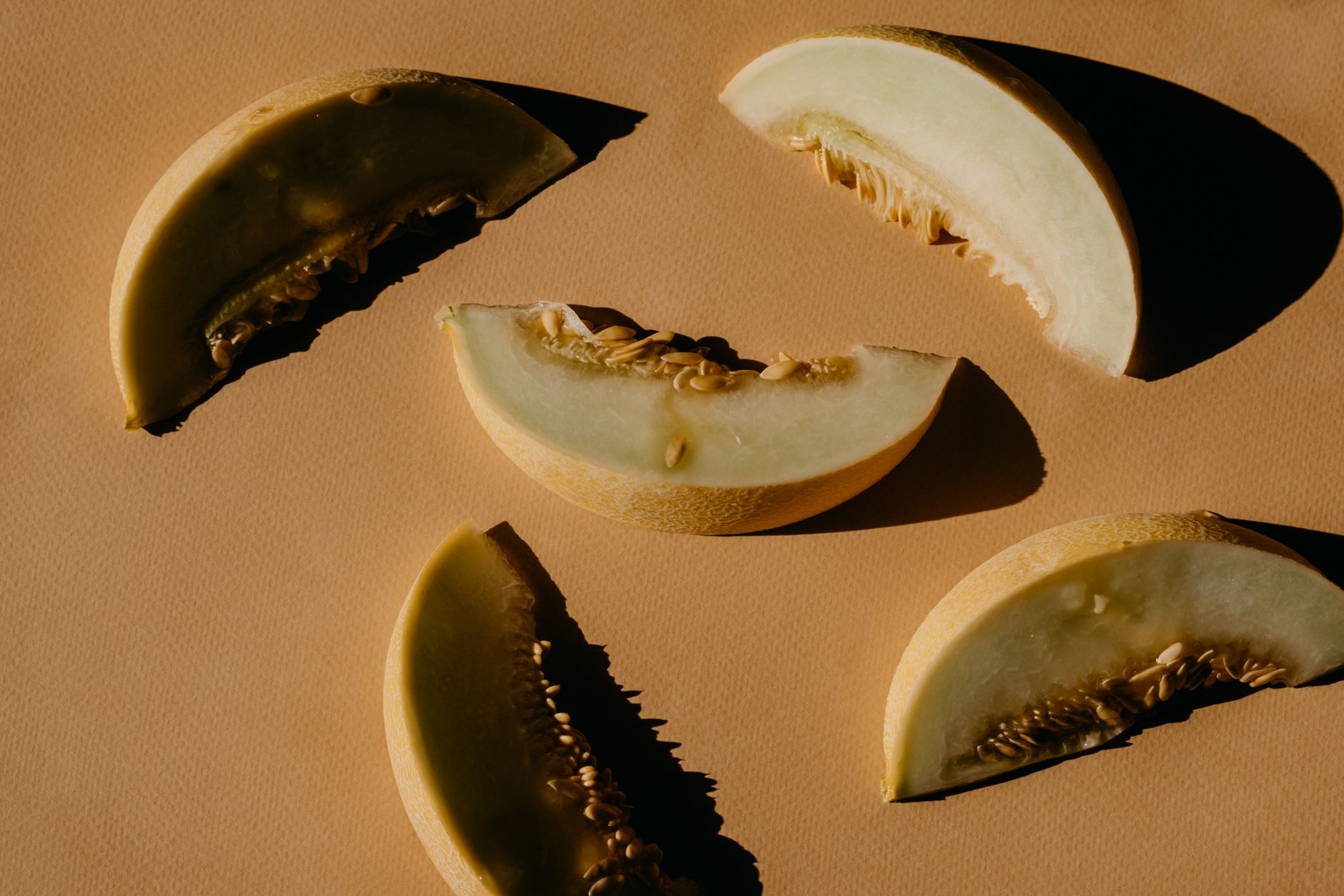
Cantaloupe, a refreshing summer fruit, is beloved for its sweet flavor and juiciness. However, many people wonder if it can cause gas or digestive discomfort. This article explores the relationship between cantaloupe consumption and gastrointestinal issues, focusing on fiber content, serving sizes, and digestion. Understanding these factors will help you enjoy this delicious fruit without unwanted side effects.
Gas production during digestion can result from various factors, including the types of foods consumed, the amount eaten, and individual digestive systems. Let’s delve into how cantaloupe fits into this picture.
Does Cantaloupe Cause Gas?
Cantaloupe does not typically cause gas for most people, but it can lead to mild bloating or discomfort in some individuals. The potential for gas largely depends on one’s digestive system, fiber intake, and overall diet. Understanding these elements can help you enjoy cantaloupe while minimizing any gastrointestinal issues.
Understanding Cantaloupe’s Composition
To grasp how cantaloupe may influence gas production, it is essential to look at its nutritional components. Cantaloupes are composed mainly of water, carbohydrates, fiber, vitamins, and minerals. Here’s a breakdown of these components:
- Water: Comprising about 90% of the fruit, the high water content in cantaloupe makes it hydrating and refreshing.
- Carbohydrates: Cantaloupe contains simple sugars, primarily fructose and glucose, which provide natural sweetness.
- Fiber: Cantaloupe has a moderate fiber content, contributing to digestive health but can also lead to gas when consumed in large quantities.
- Vitamins and Minerals: This fruit is rich in vitamin A, vitamin C, potassium, and folate, adding to its nutritional value.
The Role of Fiber in Digestion
Fiber is an integral part of any diet and plays a crucial role in maintaining digestive health. It can be divided into two categories: soluble and insoluble fiber.
Types of Fiber in Cantaloupe
- Soluble Fiber: This type dissolves in water and forms a gel-like substance that can slow digestion, potentially leading to gas and bloating.
- Insoluble Fiber: It adds bulk to the stool and helps food move through the digestive tract, reducing the chances of constipation.
Cantaloupe contains both types of fiber, with a higher content of soluble fiber. This balance makes it beneficial for digestion, but excessive intake can result in discomfort.
Portion Sizes and Their Impact
How much cantaloupe you consume plays a significant role in determining whether you experience gas or bloating. Here are some guidelines:
Recommended Serving Sizes
A typical serving of cantaloupe is about one cup cubed, which contains approximately:
- 60 calories
- 14 grams of carbohydrates
- 1.5 grams of dietary fiber
- 1.2 grams of protein
Enjoying cantaloupe in moderation is key. While one serving can offer health benefits without causing gas, larger portions may lead to discomfort for some individuals.
How Digestion Works and Cantaloupe
The digestive process involves breaking down foods into smaller components that the body can absorb. When you eat cantaloupe, the sugars and fiber can affect digestion:
- The high water content aids in digestion.
- Fructose, a natural sugar in cantaloupe, may cause gas in sensitive individuals.
- Dietary fiber contributes to a healthy gut but can lead to gas if consumed excessively.
Understanding your body’s response to cantaloupe will help you enjoy it without discomfort.
Individual Differences in Digestion
Not everyone will experience gas or bloating after eating cantaloupe. Factors such as genetics, gut health, and existing digestive conditions can influence how you respond to this fruit:
- Gut Microbiome: Each individual has a unique gut microbiome, affecting digestion and gas production.
- Digestive Disorders: Conditions like irritable bowel syndrome (IBS) may predispose individuals to increased gas production.
- Food Pairing: Combining cantaloupe with other foods can also affect digestion. For instance, pairing it with high-fat or heavy meals may lead to discomfort.
Tips to Enjoy Cantaloupe Without Gas
If you love cantaloupe but are wary of gas, consider these practical tips:
- Start with Small Portions: Begin with half a cup to assess your tolerance and gradually increase if comfortable.
- Pair Wisely: Combine cantaloupe with other low-FODMAP fruits like strawberries or blueberries to minimize gas.
- Hydrate: Drinking plenty of water aids digestion and helps prevent bloating.
- Space Out Fruit Consumption: Instead of eating multiple fruits at once, space them throughout the day.
- Freshness Matters: Opt for fresh, ripe cantaloupe, as overripe or underripe fruit can be harder to digest.
Recipes Featuring Cantaloupe
Incorporating cantaloupe into your diet can be both tasty and nutritious. Here are a few recipe ideas that showcase this versatile fruit without overwhelming your digestive system:
Cantaloupe and Mint Salad
This refreshing salad combines the sweetness of cantaloupe with the freshness of mint. Perfect for a light lunch or side dish.
- Ingredients:
- 2 cups cantaloupe, cubed
- 1 cup fresh mint leaves, chopped
- Juice of 1 lime
- 1 tablespoon honey (optional)
- Instructions:
- In a large bowl, combine the cubed cantaloupe and chopped mint.
- Drizzle with lime juice and honey, if using.
- Toss gently to mix and serve immediately.
- Ingredients:
- 1 cup cantaloupe, cubed
- 1 banana, sliced
- 1 cup Greek yogurt
- 1 cup spinach (optional)
- 1 cup almond milk
- Instructions:
- Blend all ingredients until smooth.
- Pour into a glass and enjoy immediately.
- Ingredients:
- 1 cup cantaloupe, diced
- 1/2 red onion, finely chopped
- 1 jalapeño, finely chopped (seeds removed for less heat)
- Juice of 1 lime
- Salt to taste
- Instructions:
- In a bowl, mix the cantaloupe, red onion, and jalapeño.
- Drizzle with lime juice and season with salt.
- Serve chilled or at room temperature.
- Overeating: Large portions of any high-fiber fruit can lead to gas. Enjoying cantaloupe in moderation is crucial.
- Mixing with Dairy: Some people experience gas when mixing fruits with dairy. Consider enjoying cantaloupe alone or with dairy alternatives.
- Ignoring Ripeness: Consuming underripe or overripe cantaloupe may increase the likelihood of gas. Always choose ripe fruit for the best flavor and digestibility.
- Store uncut cantaloupe at room temperature until ripe.
- Once ripe, refrigerate for up to one week.
- Store cut cantaloupe in an airtight container in the refrigerator.
- Consume within three to five days for optimal freshness.
Cantaloupe Smoothie
This smoothie is a delicious and easy way to enjoy cantaloupe. It’s perfect for breakfast or a refreshing snack.
Cantaloupe Salsa
This unique salsa combines cantaloupe with traditional salsa ingredients for a delicious twist. Excellent as a dip or topping for grilled meats.
Common Mistakes and Misconceptions
When it comes to consuming cantaloupe, a few common errors may lead to uncomfortable digestive symptoms:
Storage Tips for Cantaloupe
Proper storage of cantaloupe can help maintain its freshness and prevent spoilage.
Whole Cantaloupe
Cut Cantaloupe
When to Consult a Doctor
If you frequently experience gas or bloating after eating cantaloupe or other fruits, it might be worth consulting a healthcare professional. They can provide insight into any underlying digestive health issues or food sensitivities.
In summary, cantaloupe is a delicious and hydrating fruit that can be enjoyed in moderation without causing gas for most people. By being mindful of portion sizes, combining it wisely with other foods, and listening to your body, you can savor its sweet flavor without discomfort. Happy snacking!
For more delicious recipes and insights on nutritious ingredients, explore our guides on chia pudding with coconut milk and the benefits of chia seeds.