
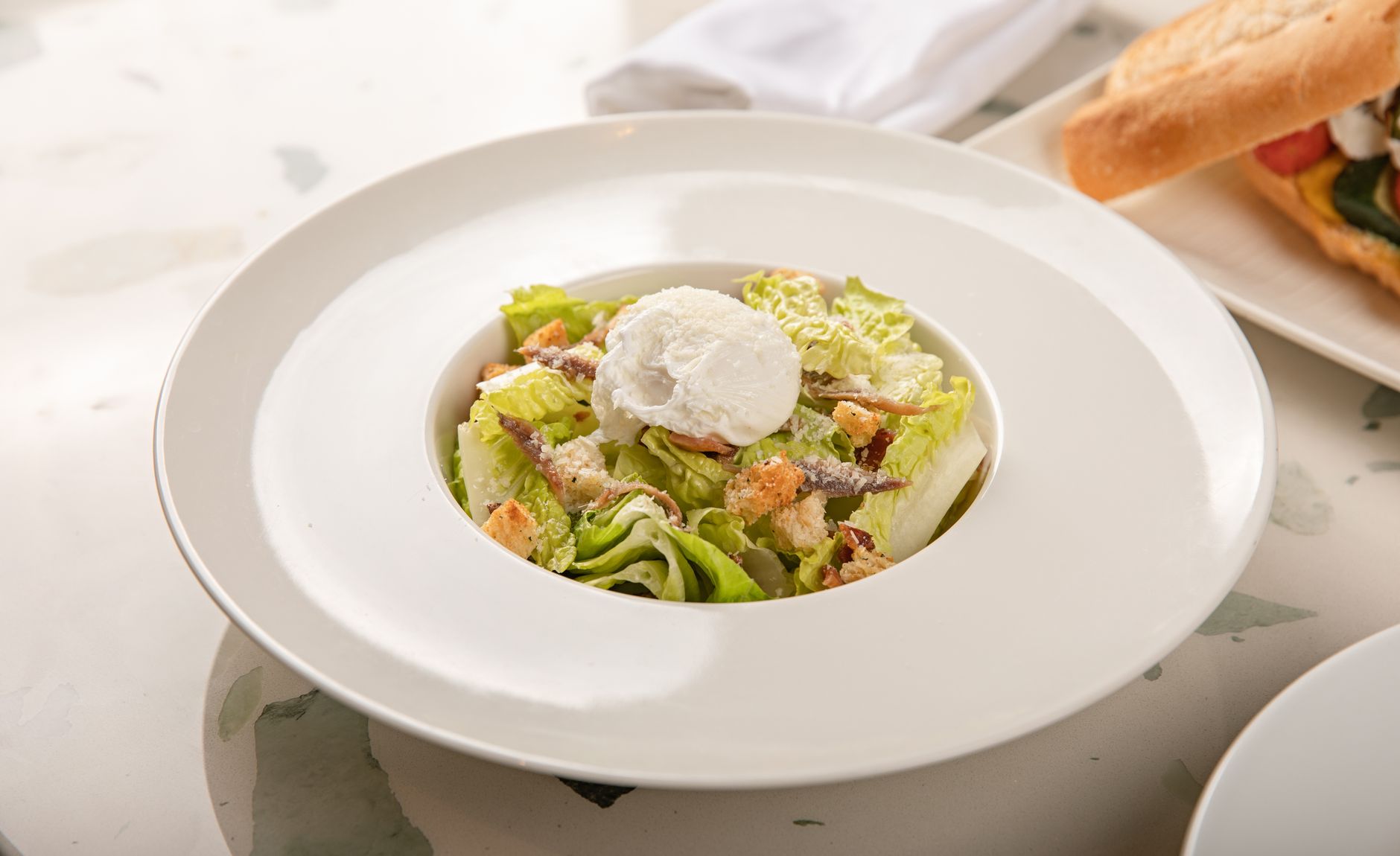
Caesar dressing is a classic component of many salads, offering a bold and creamy flavor that elevates greens and enhances a variety of dishes. One of the most frequently asked questions regarding this popular sauce is whether it contains anchovies. Understanding the role of anchovies can help you determine if the dressing meets your dietary preferences and culinary needs.
In this guide, we will explore whether Caesar dressing has anchovies, the history of the dressing, its ingredients, and how to make a no-anchovy version if desired. You will also find insights into how anchovies contribute to the umami flavor and what to substitute if you wish to avoid them.
Does Caesar Dressing Have Anchovies?
Traditionally, Caesar dressing does contain anchovies. These small fish play a crucial role in achieving the characteristic umami flavor that makes the dressing so appealing. However, there are variations of Caesar dressing that do not include anchovies, appealing to those with dietary restrictions or personal preferences.
The Role of Anchovies in Caesar Dressing
Anchovies are well-known for their strong and distinct flavor. When incorporated into Caesar dressing, they provide depth and a savory quality that is hard to replicate. These fish are typically used in their paste form or as finely chopped fillets, blended with other ingredients to create a smooth and creamy dressing.
Flavor Profile
The umami profile imparted by anchovies is balanced by other ingredients such as garlic, lemon juice, Parmesan cheese, and olive oil. The salty, oceanic taste of the anchovies complements the rich creaminess of the dressing, often elevating the overall flavor experience. Without anchovies, the dressing may taste less complex and lack that signature depth.
Traditional Ingredients of Caesar Dressing
Along with anchovies, traditional Caesar dressing typically includes a few key ingredients that work together to create its iconic flavor. Here’s a breakdown of these essential ingredients:
- Anchovies: Provide umami and a savory depth.
- Garlic: Fresh garlic adds pungency and enhances the flavor.
- Egg yolk: Often used to create a creamy base. It can be substituted with mayonnaise for a no-raw-eggs version.
- Lemon juice: Adds acidity to balance the richness of the dressing.
- Parmesan cheese: Provides a salty, nutty flavor.
- Olive oil: Binds the dressing together and adds richness.
- Worcestershire sauce: Often included for additional complexity, traditionally containing anchovies as well.
- Black pepper: Adds spice and enhances overall flavor.
Exploring Worcestershire Sauce in Caesar Dressing
Worcestershire sauce is another ingredient that often appears in Caesar dressing recipes. This sauce usually contains anchovies, further contributing to the overall flavor profile. If a recipe calls for Worcestershire sauce, it is worth considering whether that aspect of the dressing affects your decision to use it.
Making Caesar Dressing Without Anchovies
If you’re avoiding anchovies due to dietary preferences, allergies, or ethical considerations, you can still enjoy a delicious Caesar dressing. Below is a simple recipe for a no-anchovy Caesar dressing that retains much of the same flavor profile.
No-Anchovy Caesar Dressing Recipe
Yield: Approximately 1 cup
Preparation time: 10 minutes
Total time: 10 minutes
Ingredients
- 1/4 cup mayonnaise
- 1 tablespoon Dijon mustard
- 2 tablespoons lemon juice
- 2 cloves garlic, minced
- 1/2 cup grated Parmesan cheese
- 1/3 cup olive oil
- 1 teaspoon Worcestershire sauce (optional, can be used or replaced)
- Salt and black pepper, to taste
Essential Equipment
- Mixing bowl
- Whisk or fork
- Measuring cups and spoons
- Storage container (if not using immediately)
Instructions
- In a mixing bowl, combine the mayonnaise, Dijon mustard, lemon juice, and minced garlic.
- Whisk the mixture until smooth and well blended.
- Gradually drizzle in the olive oil while whisking, allowing it to emulsify into the mixture.
- Add the grated Parmesan cheese, and stir until fully combined.
- If desired, add Worcestershire sauce and season with salt and black pepper to taste.
- Serve immediately or store in an airtight container in the refrigerator for up to one week.
Common Substitutions for Caesar Dressing Ingredients
When preparing Caesar dressing, there are various substitutions you can make to cater to dietary restrictions or personal flavor preferences. Here are some ideas:
- Mayonnaise: Swap with Greek yogurt for a healthier option or to reduce fat content.
- Parmesan cheese: Use nutritional yeast for a vegan alternative, providing a cheesy flavor without dairy.
- Lemon juice: Substitute with lime juice if you prefer a different citrus twist.
- Garlic: If fresh garlic is not available, garlic powder can be used as a quick substitute at a one-third ratio (1 tablespoon fresh = 1 teaspoon garlic powder).
- Olive oil: Avocado oil or canola oil are viable alternatives for a similar texture and taste.
Common Mistakes When Making Caesar Dressing
Even though Caesar dressing can be simple to make, there are common errors to avoid for the best flavor and texture:
- Not emulsifying oil: If you skip the gradual addition of oil, the dressing may separate.
- Insufficient seasoning: Taste as you go. Ingredients like garlic, lemon, and cheese add layers of flavor, and under-seasoning can lead to a bland dressing.
- Using old ingredients: Fresh ingredients yield a fresher taste. Ensure your garlic, olive oil, and lemon juice are fresh to achieve the best flavor.
Tips for Serving Caesar Dressing
Caesar dressing can be used not just on salads but across a variety of dishes. Here are some serving suggestions:
- Dress a simple lettuce salad or a Caesar salad with croutons and additional Parmesan.
- Use it as a dip for fresh vegetables or chips.
- Drizzle over roasted vegetables to enhance their flavors.
- Mix it with grilled chicken, shrimp, or fish for a zesty protein add-on.
Storing Caesar Dressing
Homemade Caesar dressing without anchovies can be stored in the refrigerator for up to one week if kept in an airtight container. Always check for signs of spoilage before use.
Reheating and Using Leftover Dressing
While Caesar dressing is best served chilled, you can incorporate leftovers into warming dishes like pasta or grain bowls. Just fold in the dressing after cooking the dish to maintain its creamy texture.
Final Thoughts
In summary, while traditional Caesar dressing does typically contain anchovies, there are easy modifications to make a version without them. This allows everyone to enjoy the bold, creamy flavors characteristic of Caesar dressing. Explore incorporating different ingredients and experimenting with flavors to create a dressing that suits your taste preferences.
If you are seeking alternatives for ingredients like Worcestershire sauce, check out what you can substitute for Worcestershire sauce, or try a different flavor profile with a chipotle dressing recipe. Alternatively, enjoy experimenting with various homemade dressings!