
Cacao, often touted for its rich flavor and health benefits, has piqued the interest of many when it comes to cardiovascular health, particularly regarding arterial plaque. In this article, we will explore whether cacao has any proven abilities to remove arterial plaque and what role it can play in your diet.
We will dive into the components of cacao, its potential health benefits, existing research, and practical ways to incorporate it into your meals. Understanding the relationship between cacao and heart health is not just beneficial but essential for anyone looking to improve their dietary choices.
Does Cacao Remove Arterial Plaque?
Cacao does not directly remove arterial plaque, but it can contribute positively to heart health. Rich in antioxidants, particularly flavonoids, cacao may help in the prevention of plaque buildup by improving blood vessel health, reducing inflammation, and promoting better blood flow. While not a solution for existing arterial plaque, incorporating cacao as part of a balanced diet could support overall cardiovascular health.
Understanding Cacao and Its Components
Cacao is derived from the beans of the Theobroma cacao tree. The beans undergo a complex fermentation and processing procedure before they can be used in various culinary applications. Here’s a breakdown of what makes cacao appealing nutritionally:
- Flavonoids: These are powerful antioxidants that may help in improving blood circulation and lowering blood pressure. They combat oxidative stress and inflammation, both of which contribute to heart disease.
- Magnesium: Cacao is a natural source of magnesium, which plays a critical role in heart health. This mineral helps regulate heart rhythm and supports vascular function.
- Iron: Important for blood production, iron in cacao helps ensure that oxygen is effectively delivered throughout the body.
- Fiber: Cacao contains dietary fiber, which can aid in digestion and contribute to a healthy gut environment.
The Role of Antioxidants in Heart Health
Antioxidants, particularly flavonoids, play a crucial role in combating free radicals and oxidative stress. Studies have indicated that foods high in antioxidants can lower the risk of cardiovascular diseases. Cacao’s high flavonoid content is particularly beneficial:
- Improves endothelial function: The endothelium is a thin layer of cells that lines blood vessels. Cacao can enhance its function, thus promoting better blood flow.
- Reduces blood pressure: The consumption of cacao has been associated with lowered blood pressure due to its vasodilatory effect.
- Improves cholesterol profiles: Cacao may positively impact levels of LDL (bad cholesterol) and HDL (good cholesterol), thus improving overall heart health.
Current Research on Cacao and Cardiovascular Health
There have been numerous studies exploring the link between cacao consumption and heart health. Here are some findings that highlight the potential benefits:
- A review published in the American Journal of Clinical Nutrition indicated that the intake of flavanol-rich cacao can enhance cardiovascular function.
- Research published in the European Journal of Preventive Cardiology found that participants consuming dark chocolate showed improved markers of vascular health.
- Another study in the Journal of Nutrition suggested that regular consumption of cacao products led to reduced risks of cardiovascular events.
While these studies show promise, it’s essential to note that cacao should not replace medical advice or treatment for existing cardiovascular diseases. It works best when incorporated into a comprehensive dietary approach aimed at heart health.
Incorporating Cacao into Your Diet
Adding cacao to your meals doesn’t have to be complicated. Here are some practical ways to easily incorporate it:
1. Cacao Powder
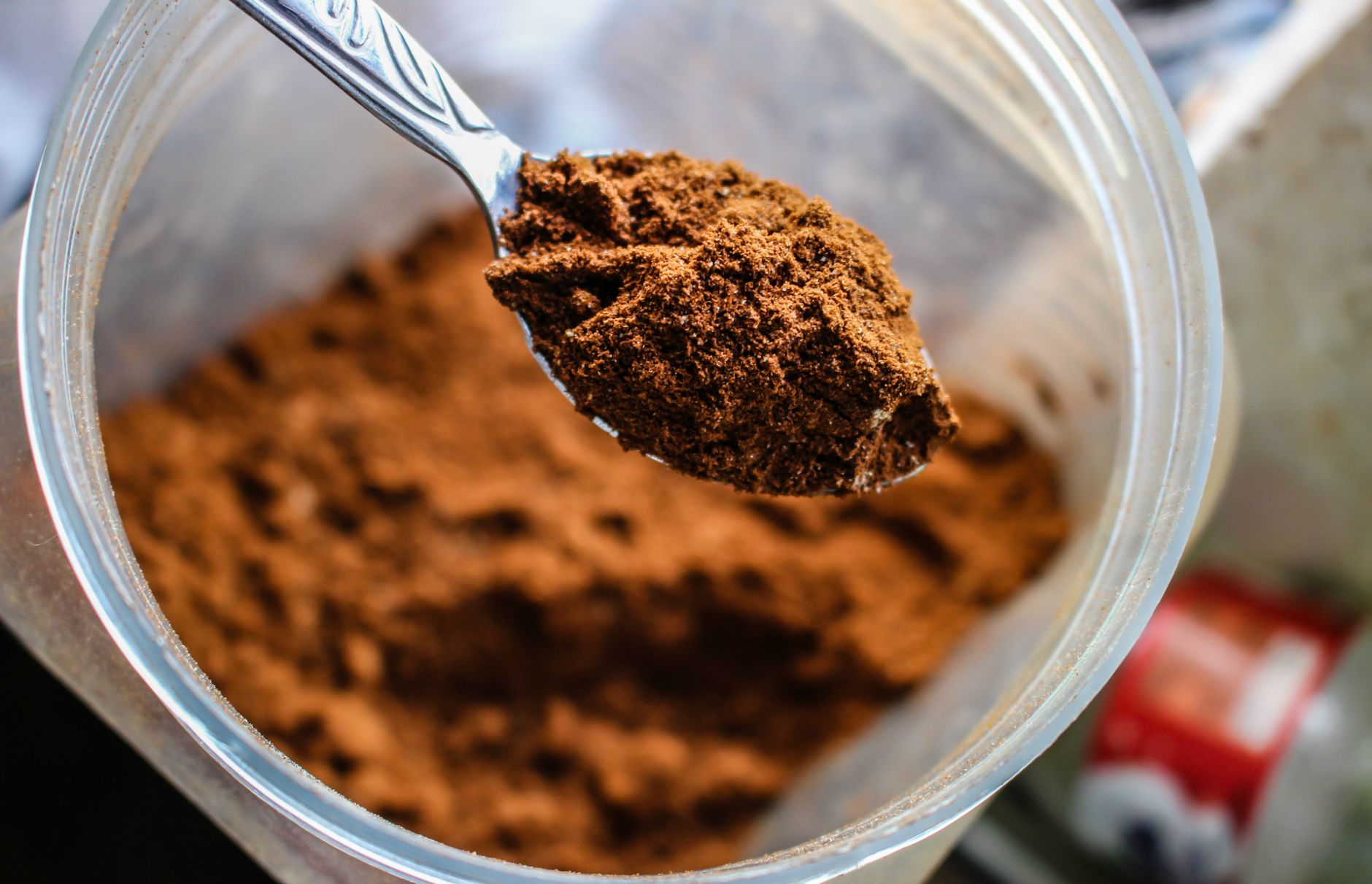
Cacao powder is an excellent option for smoothies, baking, and sauces. Here’s how to use it:
- Smoothies: Blend a tablespoon of cacao powder with bananas, almond milk, and spinach.
- Baking: Substitute cocoa powder in baking recipes with cacao powder for a richer flavor and added nutrients.
- Hot Cacao Drink: Mix cacao powder with hot almond milk and a sweetener like honey or agave for a delicious drink.
2. Dark Chocolate
When choosing chocolate, opt for dark chocolate with at least 70% cacao. Some ideas include:
- Snacks: Enjoy a couple of squares of dark chocolate as a satisfying snack.
- Baked Goods: Use dark chocolate chunks in cookies or muffins for enhanced flavor.
- Pair with Fruits: Dark chocolate pairs wonderfully with fruits like strawberries and bananas for a nutritious dessert.
3. Cacao Nibs
Cacao nibs are crushed cacao beans and are an excellent crunchy topping:
- Breakfast: Sprinkle on top of yogurt or oatmeal for added texture and nutrition.
- Salads: Add them to salads for a crunchy element.
- Energy Bites: Incorporate into homemade energy bites for a natural sweetener and crunch.
Practical Tips for Buying Cacao Products
When shopping for cacao products, consider the following:
- Quality: Look for organic, raw cacao products, which typically retain more nutrients.
- Minimal Ingredients: Choose products that have no added sugars or excessive fillers.
- Label Knowledge: Read labels carefully, focusing on cacao content to ensure you get the benefits.
Common Mistakes When Choosing Cacao
While incorporating cacao into your diet, it’s easy to make some common mistakes that can reduce its health benefits:
- Choosing Low-Quality Chocolate: Avoid chocolates with high sugar content and low cacao percentages.
- Ignoring Portion Sizes: Even though dark chocolate has health benefits, moderation is key due to its calorie content.
- Thinking All Chocolate is Equal: Cacao and cocoa are different; cacao retains more nutrients as it undergoes less processing.
Potential Side Effects and Considerations
Although cacao can be beneficial, it’s important to be mindful of its possible side effects:
- Caffeine Content: Cacao contains a small amount of caffeine, which may affect caffeine-sensitive individuals.
- Allergies: Some individuals may experience allergic reactions, particularly with cacao nibs or dark chocolate.
- Moderation: Though beneficial, overconsumption can lead to weight gain due to high calorie and fat content.
Conclusion
Cacao, with its rich antioxidant content, may not directly remove arterial plaque but offers numerous cardiovascular benefits that contribute to heart health. By incorporating high-quality cacao products into your diet, alongside other healthy lifestyle practices, you can work towards optimizing your heart health.
As a next step, consider adding cacao to your meals and snacks in creative ways, from smoothies to baked goods. Remember, while cacao can play a supporting role in your health, maintaining a balanced diet is vital for overall well-being.
Explore more culinary options by checking out these resources: Chia Pudding Recipe and Benefits of Chia Seeds.