
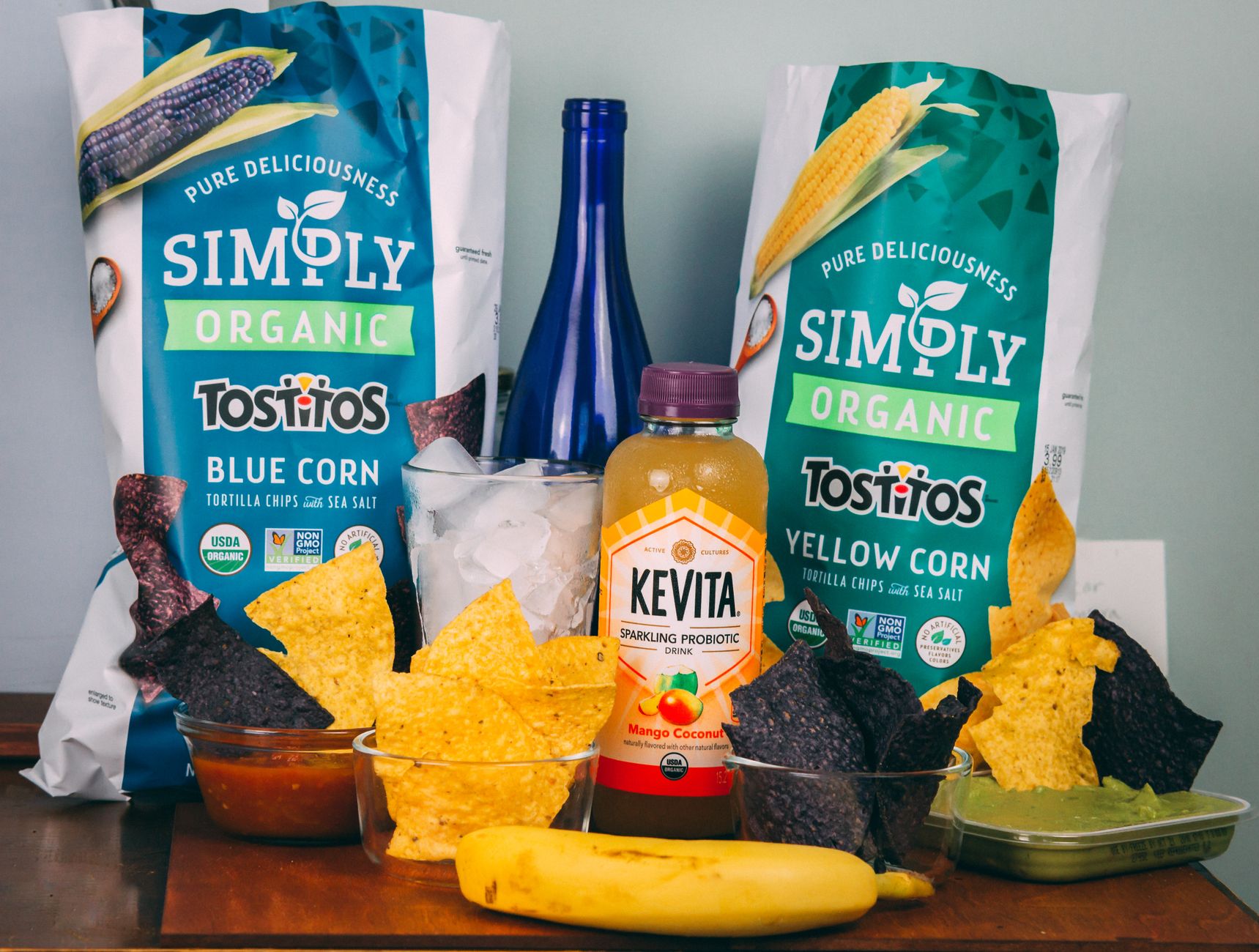
Many people have experienced the phenomenon of late-night cravings after a night of drinking. The question arises: does being drunk really make you hungry? The answer is multifaceted, involving biology, psychology, and the types of food most often consumed in these moments.
The connection between alcohol consumption and increased appetite is supported by various studies. Drinking can stimulate our desire for food, but the type of food we crave—and why—can vary widely. Exploring this relationship helps us understand our behaviors and make better choices for our next gathering.
Does Being Drunk Make You Hungry?
Yes, being drunk can make you feel hungrier. Alcohol affects hunger hormones and alters brain chemistry, leading to cravings, especially for high-calorie, sugary, or fatty foods. Understanding these mechanisms can help you manage your food choices while drinking.
The Science Behind Alcohol and Hunger
1. Hormonal Influence
Alcohol consumption can disrupt the balance of hunger hormones. Two significant players are ghrelin, which prompts hunger, and leptin, which signals satiety. Drinking can cause increased levels of ghrelin and decreased leptin sensitivity, which explains why you might feel hungrier when intoxicated.
2. Brain Chemistry Changes
Alcohol affects the brain’s reward system, releasing dopamine, which creates feelings of pleasure and reward. This altered state can enhance cravings for foods that also stimulate dopamine release, particularly sugary or fatty options, fueling a desire for more calories.
3. Emotional and Social Factors
Drinking often occurs in social settings where food is present. The social aspect of sharing food can further induce cravings, making us more likely to eat out of habit rather than necessity.
The Types of Foods We Crave When Drunk
1. High-Calorie Comfort Foods
Late-night snack choices often lean toward heavy, greasy options. Foods like pizza, burgers, and fries are favored because they satisfy cravings for both carbohydrates and fats, offering quick energy and comfort.
2. Sweet Treats
Cravings for sugary foods can spike after drinking. Items like candy, pastries, or ice cream are common picks due to their immediate energy boost and pleasurable taste, driven by altered brain chemistry.
3. Salty Snacks
Drinks like beer or cocktails can increase thirst and lead to cravings for salty snacks. Chips, pretzels, and nuts are often consumed, as they can enhance the drinking experience while satisfying the need for salt.
Choosing Wisely: Tips for Healthy Late-Night Snacking
1. Plan Ahead
To manage cravings, prepare healthier options in advance. Having fresh fruits, nuts, or whole grain crackers available can help steer you toward better choices when the urge strikes.
2. Stay Hydrated
Alcohol can lead to dehydration, which might be misinterpreted as hunger. Drink water alongside alcohol to stay hydrated and potentially reduce the craving for food.
3. Keep Portions Moderate
If you do snack while drinking, aim for smaller portions. This moderation allows you to enjoy the experience without overeating or making unhealthy choices.
Practical Snack Ideas to Enjoy When Drinking
Here are some balanced snack options to satisfy cravings without indulging completely:
- Vegetable Chips: A lighter alternative to standard potato chips that can satisfy the crunch without excess calories.
- Popcorn: Air-popped popcorn is a whole grain and can be flavored lightly with salt or spices for a satisfying snack.
- Cheese Plate: A selection of cheeses with whole-grain crackers and grapes offers a mix of protein, carbohydrates, and healthy fats.
- Fruit Skewers: Fresh fruits provide natural sugars and hydration to curb sweet cravings healthily.
- Guacamole and Veggies: Pairing avocados with carrots or cucumbers provides healthy fats and fiber.
- Dark Chocolate: A few squares can satisfy sweet cravings without going overboard on sugar.
Common Missteps When Eating While Drinking
1. Ignoring Hunger Signals
Drinking can dull your sense of satiety, causing you to overindulge. Pay attention to how hungry you are before snacking and consider waiting until you’re sober for a thorough assessment of your cravings.
2. Choosing Highly Processed Foods
Opting for convenience over quality can lead to poor choices. High-calorie, low-nutrient foods are common but can lead to regret the next day. Aim for snacks with nutritional value.
3. Emotional Eating
Eating out of emotion rather than hunger can lead to overeating. Manage emotional triggers by finding other outlets, such as talking with friends or engaging in a fun activity instead of reaching for snacks.
Exploring Regional Late-Night Eats
1. North American Delights
In the United States and Canada, late-night diners may often indulge in greasy burgers or loaded nachos. Many cities also have food trucks serving a variety of comfort foods, from tacos to poutine, reflecting regional flavors.
2. Global Flavors
In Spain, tapas bars often remain open late, enticing patrons with small plates of olives, calamari, and chorizo. These selections offer lighter, sharable options rather than heavy meals. In Japan, izakayas provide an assortment of skewers and small dishes that complement alcoholic beverages perfectly.
How to Offset the Caloric Intake of Late-Night Snacking
1. Balanced Daytime Meals
Ensure that you consume balanced meals throughout the day to avoid excessive hunger at night. Include protein, healthy fats, and fiber during the day, making it easier to resist unhealthy cravings later.
2. Pre-Drinking Snacks
Having a sizable, nutritious snack before drinking can stabilize blood sugar levels and curb intense hunger later on. Consider whole foods like nuts, yogurt, or a piece of fruit.
3. Be Mindful of Alcohol Consumption
Drink slowly and watch your intake. The fewer drinks consumed, the less temptation you may experience for late-night snacking. Opt for cocktails that mix lighter spirits with soda water or tonic instead of sugary mixers.
Simple Recipes for Healthy Late-Night Snacks
If you’re looking for something homemade, here are a couple of easy recipes that can be prepared ahead of time:
1. Spicy Roasted Chickpeas
Ingredients:
- 1 can chickpeas, drained and rinsed
- 1 tablespoon olive oil
- 1 teaspoon smoked paprika
- 1/2 teaspoon garlic powder
- Salt to taste
Method:
- Preheat the oven to 400 degrees F (200 degrees C).
- Spread the chickpeas on a baking sheet and dry them with a paper towel.
- Drizzle with olive oil and sprinkle with paprika, garlic powder, and salt.
- Toss to coat evenly and bake for 30-40 minutes, shaking the pan halfway through, until crispy.
- Let cool and store in an airtight container.
2. Yogurt Parfait
Ingredients:
- 1 cup Greek yogurt
- 1/2 cup granola
- 1/2 cup mixed berries (fresh or frozen)
- 1 tablespoon honey (optional)
Method:
- In a glass or bowl, layer Greek yogurt, granola, and mixed berries.
- Drizzle honey on top if desired.
- Enjoy immediately or refrigerate for later.
Conclusion
Being drunk can indeed make you hungry, leading to cravings for often unhealthy foods. Understanding the science behind these cravings helps you make better choices when snacking while drinking. Consider planning ahead with healthier options, staying hydrated, and being mindful of your choices. This knowledge can help you enjoy your social gatherings without excessive guilt over late-night munchies.
For refreshing drink recipes, check out our vodka cranberry recipe or enjoy a classic whiskey sour recipe for your next friendly gathering. Happy sipping and snacking!