
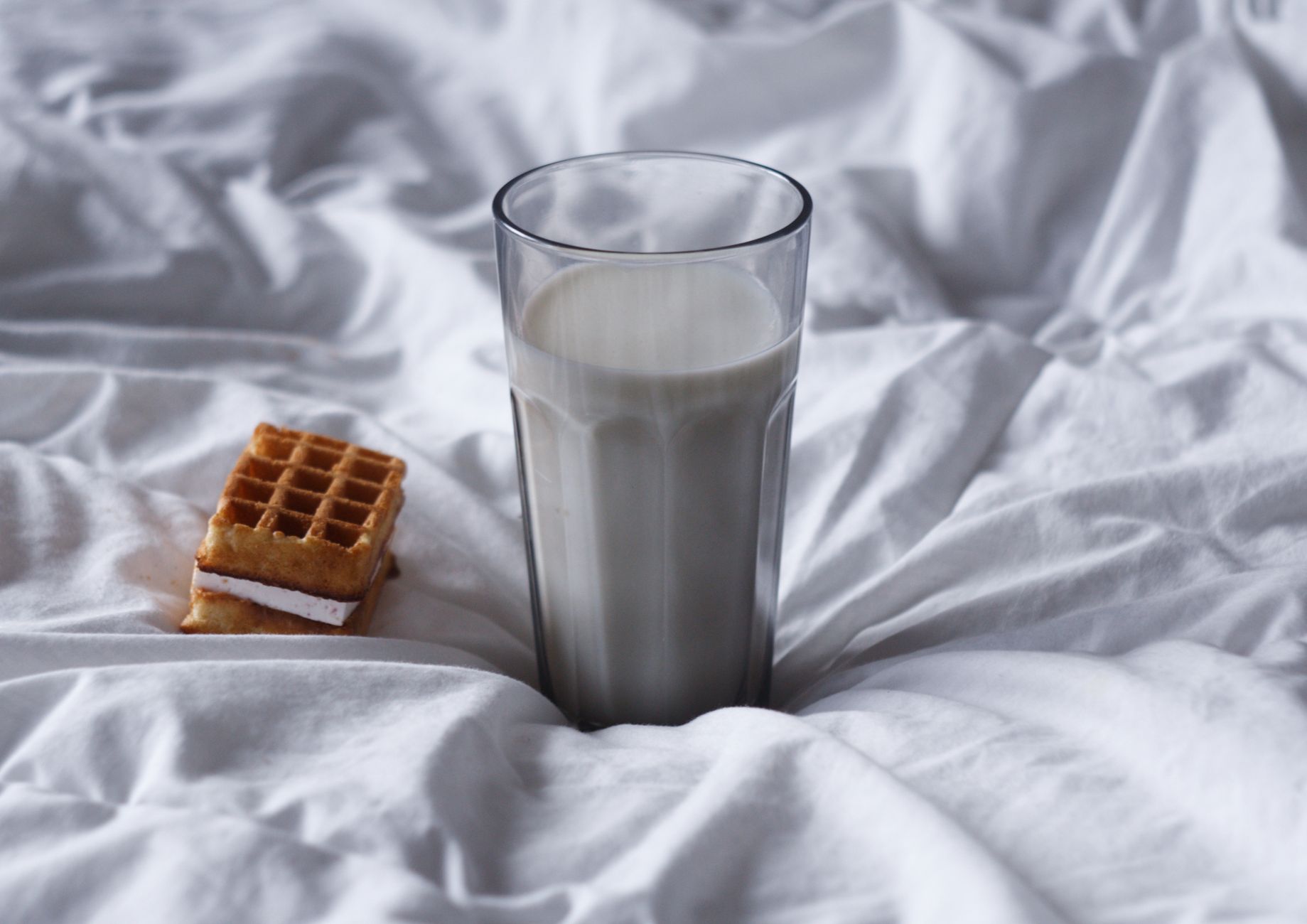
Understanding the shelf life of milk can be confusing, especially when it comes to the ‘best by’ date. Many consumers wonder how long milk is good past this date and how to properly store it. This guide offers practical insights into milk storage, freshness indicators, and safety tips to ensure you can make the most of your dairy products while minimizing waste.
Whether you’re a casual milk user or a frequent consumer, knowing how to interpret the best by date can help you decide whether to use or discard your milk. Let’s dive into the specifics of milk’s shelf life and how you can extend its freshness at home.
How Long Is Milk Good Past the Best By Date?
Milk is generally safe to consume for 5 to 7 days past the best by date if it has been properly stored. However, factors such as storage temperature, exposure to light, and how often the container has been opened can influence its freshness. Always check for signs of spoilage before consuming milk, even if it is within this timeframe.
Understanding Milk Expiration Dates
Many people often confuse the different labels found on milk containers, such as “sell by,” “use by,” and “best by” dates. It’s important to know the meanings behind these terms to make informed decisions.
- Sell By: This date tells retailers how long to keep the product on the shelf. It is not a safety date.
- Best By: This is a recommendation from the manufacturer for when the product is at its best quality. It is not a safety date, either.
- Use By: This date is the last date recommended for the use of the product while at peak quality. After this date, it may still be safe, but quality will degrade.
Understanding these distinctions can help you avoid wasting milk you think should be discarded. Most milk can still be enjoyed after these dates, provided it has been stored correctly.
Factors Affecting Milk Freshness
Several factors can impact how long milk remains fresh:
Storage Temperature
The temperature at which milk is stored plays a significant role in its shelf life. Milk should be kept at or below 40°F (4°C). The refrigerator door, where temperatures fluctuate more, may not be the best spot for milk; instead, store it towards the back of the fridge for a more consistent temperature.
Exposure to Light
Light exposure can cause milk to degrade faster due to a chemical reaction known as the Maillard reaction. To preserve freshness, keep milk in opaque containers or in a dark part of the refrigerator.
Frequency of Opening
Every time you open a container, air and bacteria can enter, increasing the risk of spoilage. For larger containers, consider transferring milk into smaller containers to minimize exposure each time you pour.
Signs of Spoiled Milk
Before consuming milk—especially if it is close to or past the best by date—look for these common signs of spoilage:
- Smell: Spoiled milk has a distinctly off, sour smell. If the aroma is unpleasant, it’s best to discard it.
- Texture: Check for any curdling or clumps. Fresh milk should have a smooth, homogeneous texture.
- Flavor: If unsure, a small taste test can confirm freshness. Sour or off-flavors indicate spoilage.
Extending Milk’s Shelf Life
There are several strategies to maximize the life of your milk:
Keep it Cold
Ensure your refrigerator remains at or below 40°F (4°C). A consistent temperature helps delay spoilage.
Choose Cartons Wisely
Opt for cartons rather than clear containers or plastic bottles, as they provide better protection against light.
Freeze Milk
Milk can be frozen to extend its shelf life. Capture the date it was frozen, as milk can be stored in the freezer for about three months. Use airtight containers and leave space for expansion after freezing.
Use Vacuum Seal Bags
If you need to store opened milk for an extended period, consider using vacuum seal bags to reduce air exposure and bacterial growth.
Storing Different Types of Milk
Not all milk is created equal, and various forms—whole, skim, lactose-free, plant-based—have different storage and shelf-life characteristics.
Whole and Skim Milk
Whole and skim milk typically have the same shelf life, lasting 5 to 7 days past the best by date if properly stored. Always check for the same spoilage indicators regardless of fat content.
Lactose-Free Milk
Lactose-free milk can last slightly longer than regular milk due to the processing that extends its freshness. It may remain good for up to 10 days past the best by date if unopened.
Plant-Based Milks
Almond, soy, oat, and coconut milks can come in shelf-stable options. If unopened, they can last for months; however, once opened, they usually last for 7 to 10 days in the refrigerator. Always check the packaging for specific guidance.
Common Milk Usage and Cooking Tips
Milk is not only consumed on its own but is also a staple ingredient in numerous recipes. Here are some ways to utilize milk efficiently:
Cooking
Use day-old milk in soups, sauces, and gravies. The cooking process can mask any minor spoilage details, but remember to check the freshness first!
Baking
In baking, milk enhances flavors and affects textures, especially in recipes like cakes and breads. If milk is nearing its best by date, consider baking recipes that require milk.
Homemade Dairy Products
Consider making homemade dairy products like ricotta cheese or yogurt from milk that is close to its expiration. This can be a fun way to utilize milk, reduce waste, and enjoy fresh homemade goods.
Milk Storage Containers
The type of storage container can also affect the longevity of milk. Here are some tips for selecting the right containers:
- Glass Containers: Glass is durable and doesn’t impart any flavors, making it an excellent choice for storing milk.
- Plastic Containers: Make sure to use food-safe plastics to avoid leaching chemicals into the milk.
- Opaque Containers: As mentioned, opting for containers that block out light helps improve freshness and flavor.
How to Handle Milk Safely
Proper handling of milk is crucial for maintaining its safety and ensuring that it lasts as long as possible. Here are key safety tips:
Wash Your Hands
Before handling milk, ensure that your hands are clean. This minimizes bacteria transfer from your hands to the milk container.
Use Clean Utensils
When pouring or measuring milk, use utensils that have been washed. Avoid dipping anything directly into the container.
Restock Smartly
If you find yourself frequently throwing away expired milk, it might be worth reconsidering your buying habits. Purchase smaller quantities of milk if you often find yourself unable to consume it in time.
Frequently Asked Questions About Milk Storage
- Can I drink milk after the best by date? Yes, milk may still be safe to drink for up to 5 to 7 days after the best by date if stored correctly, but always inspect for spoilage first.
- How can I tell if milk is bad without smelling it? Check the texture for any clumping and look for color changes; fresh milk should be smooth and white, without any separation.
- Is it okay to keep milk in the door of the fridge? It’s better to store milk towards the back of the fridge where temperatures are more stable.
- Can you refreeze milk after it has been defrosted? It is not recommended to refreeze milk after it has been thawed, as this can affect its flavor and texture.
Conclusion
Understanding how long milk is good past the best by date can help you reduce waste and protect your health. Always store milk correctly, check for signs of spoilage, and feel free to utilize it in various recipes when approaching the expiration date. By following these guidelines, you can enjoy fresh and safe milk for longer periods.
If you’re interested in exploring more about food storage or usage, consider checking out related articles such as how long does cottage cheese last after opening or how long does it take to bake a sweet potato.