
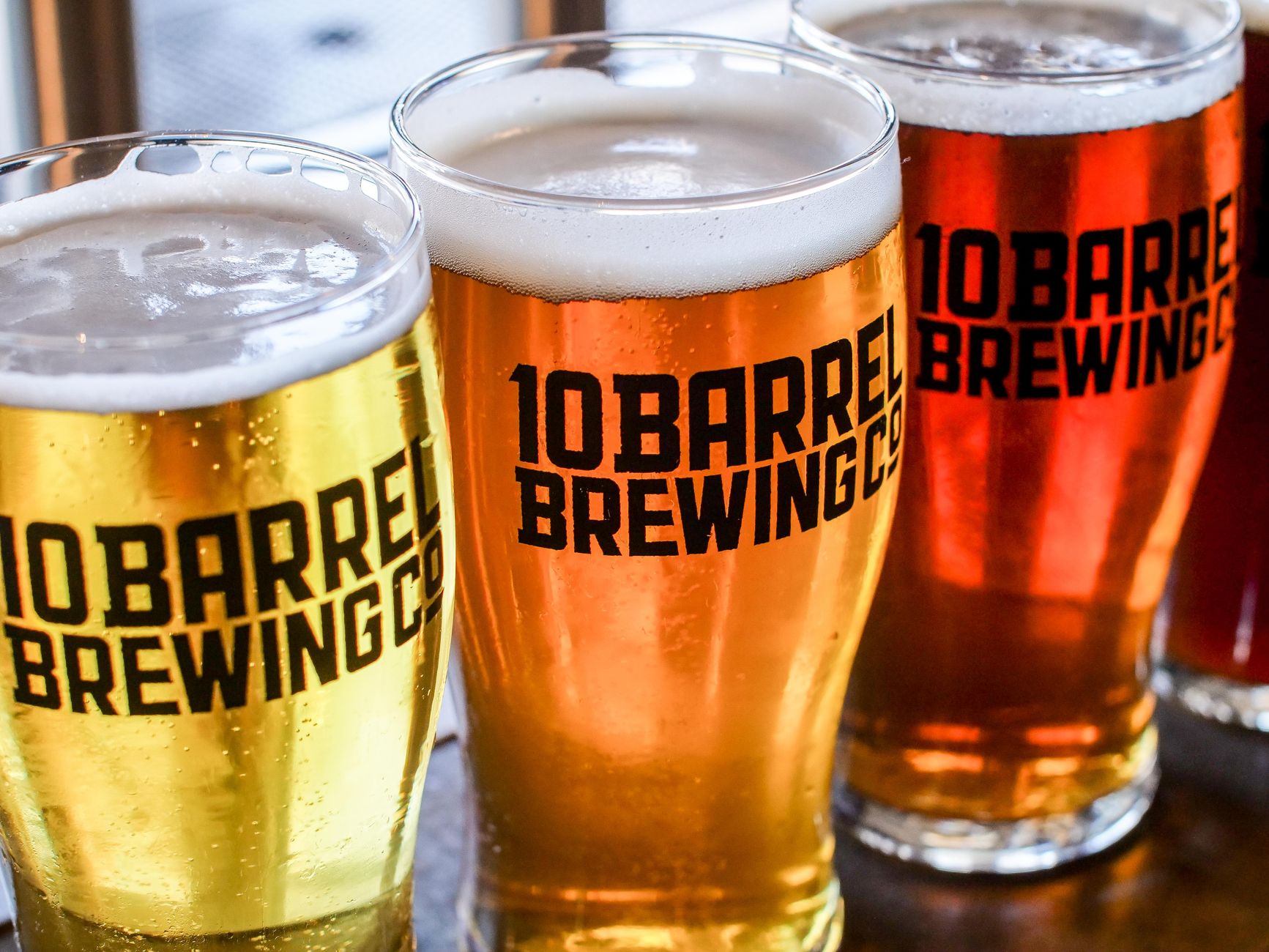
Beer is one of the oldest beverages in history and has a place in many cultures and cuisines worldwide. However, there has been an ongoing conversation regarding its ingredients and health effects, with a particular focus on whether beer contains estrogen. Understanding the relationship between beer and estrogen is essential for anyone who wishes to enjoy their beverage with informed awareness.
In this article, we will explore what estrogen is, the ingredients in beer, how they may affect hormonal balance, and some practical serving tips. Whether you are a beer enthusiast or a health-conscious individual, this guide aims to provide clarity on the connection between beer and estrogen.
Does Beer Have Estrogen?
Beer does not inherently contain estrogen. However, some components in beer, such as hops, contain phytoestrogens—plant-based compounds that can mimic estrogen in the body. This article will elaborate on the ingredients of beer and how they relate to hormonal activity.
Understanding Estrogen
Estrogen is a group of hormones that play a crucial role in the development and regulation of the female reproductive system, including the menstrual cycle and reproductive health. In males, estrogen is also present but in smaller amounts and is vital for various bodily functions.
Phytoestrogens, found in various foods and plants, have a similar structure to estrogen and can attach to estrogen receptors in the body, influencing estrogenic activity. This interaction has raised questions about foods and beverages containing these compounds, such as beer.
Ingredients of Beer
The primary ingredients in beer are water, malted barley, hops, and yeast. Each ingredient contributes to the beer’s flavor, texture, aroma, and potential health effects. Let’s examine each component closely.
Water
As the main component of beer, water is crucial for dilution and fermentation. The mineral content of water can affect the beer’s flavor profile, but it does not play a role in estrogen content.
Malted Barley
Malted barley provides the sugars necessary for fermentation, which yeast converts into alcohol and carbon dioxide. While barley does not contain estrogen, it may contribute to the overall flavor and body of the beer.
Hops
Hops are flowers from the hop plant that add bitterness, aroma, and flavor to beer. Hops contain compounds like xanthohumol, which is a type of phytoestrogen. This compound may influence estrogenic activity in the body, though research is ongoing regarding its effects.
Yeast
Yeast is responsible for fermentation, consuming sugars and producing alcohol. The strain of yeast used can impact flavor, aroma, and texture but does not contain estrogen.
Phytoestrogens in Hops
Hops are the most notable ingredient in beer when discussing estrogenic activity. They contain phytoestrogens that can mimic estrogen in the body. Xanthohumol, one of the primary flavonoid compounds in hops, has garnered attention for its potential health benefits and hormonal effects.
While the amount of xanthohumol and other phytoestrogens in beer can vary widely based on the type and brewing process, these components are generally present in much lower concentrations than the estrogen produced by the body.
Implications of Phytoestrogens
The presence of phytoestrogens in beer leads to various discussions about its health implications. Some studies suggest that moderate consumption of phytoestrogens may have health benefits, including reduced risk for certain types of cancers and improved heart health. However, excessive intake may have negative hormonal effects, potentially leading to imbalances.
While some may worry about increased estrogen levels from consuming beer, it is important to remember that moderation is key. A typical serving of beer will contain very low levels of phytoestrogens compared to other foods, such as soy products, which are known for their higher estrogenic activity.
Beer and Men’s Health
For men, the concern about consuming estrogenic substances often involves the fear of affecting testosterone levels or sexual health. While it’s true that phytoestrogens can bind to estrogen receptors, research has shown that moderate beer consumption does not significantly alter hormone levels or reproductive health metrics.
It’s critical to consider lifestyle factors and overall diet when assessing hormonal health, rather than focusing solely on individual food items such as beer.
Serving Tips for Beer
For those who wish to enjoy beer while maintaining an awareness of ingredient effects, consider the following serving tips:
- Choose Quality Over Quantity: Opt for craft beers or those made from all-natural ingredients without additives. These might contain lower levels of unwanted compounds.
- Exploring Beer Types: Different beers may have varying phytoestrogen levels. Pilsners and lagers typically contain fewer hops compared to IPAs, which may lessen phytoestrogen effects.
- Mindful Pairing: Pair beer with food that is low in phytoestrogens or hormone-altering compounds to create balance.
- Moderation: Enjoy beer in moderation. The general recommendation is up to one drink per day for women and two drinks per day for men.
- Stay Informed: Keep learning about the beers you enjoy. The brewing process, ingredients, and nutritional information can vary significantly.
Common Misconceptions about Beer and Hormones
There are several myths and misconceptions about beer, estrogen, and health. Here are a few common ones:
- All Beer Contains High Estrogen Levels: Not all beer contains significant phytoestrogens. Many beers are low in hops or brewed in a way that minimizes estrogenic compounds.
- Beer as a Health Beverage: While moderate beer consumption can be enjoyed as part of a balanced diet, it should not be classified as a health beverage.
- Men Should Avoid Beer to Prevent Low Testosterone: Moderate beer consumption does not negatively affect testosterone levels in healthy men.
Alternatives to Beer
If someone is concerned about phytoestrogens or simply wishes to explore other beverages, there are several alternatives to consider:
- Wine: Red wine may offer some health benefits and typically contains lower levels of phytoestrogens compared to beer.
- Spirits: Clear spirits like vodka, gin, and whiskey do not contain phytoestrogens.
- Non-Alcoholic Choices: If alcohol is a concern, craft sodas, kombucha, or flavored seltzers can provide a refreshing alternative.
Conclusion
Beer does not contain estrogen in its traditional form, but certain components, particularly in hops, contain phytoestrogens that may influence hormonal balance. Enjoying beer in moderation and being mindful of the ingredients can allow for a pleasurable experience without health concerns. Understanding the effects of alcohol on hormonal balance, whether through beer or other beverages, can aid in making informed choices.
For those who love to cook and experiment, consider trying dishes such as Beer Can Chicken or learning more about other beer styles like Pilsners.
Explore our article on Beer Can Chicken Recipe for a delicious dish to pair with your favorite beverage, or discover what makes a Pilsner unique. Enjoy your journey into understanding beer!