
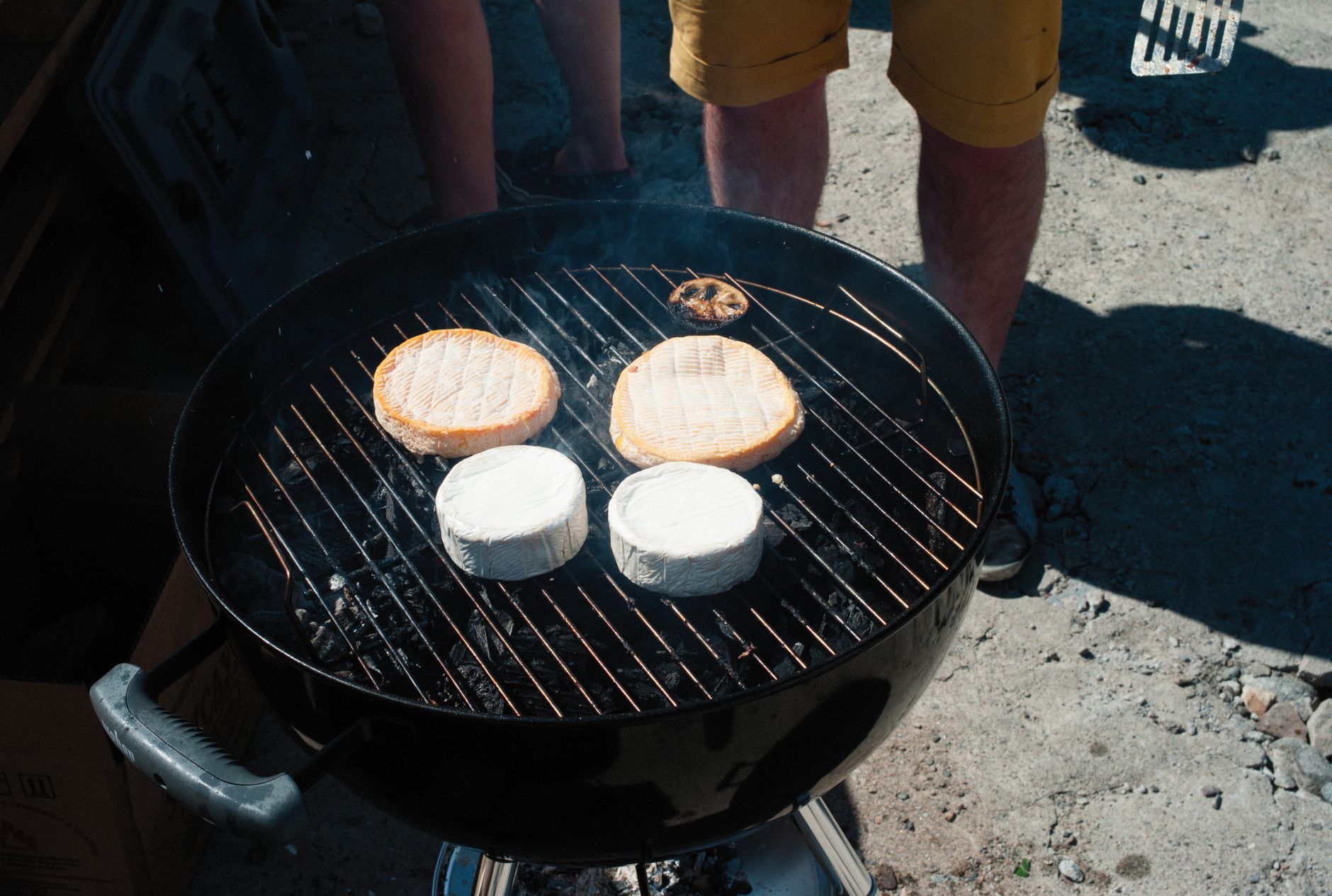
Babybel cheese is a popular snack enjoyed by many, often recognized by its signature wax coating. A common question among cheese lovers and home cooks alike is whether Babybel cheese melts well. Understanding its melting properties can significantly benefit culinary creations, leading to delicious meals and snacks.
This article explores the melty capabilities of Babybel cheese, its characteristics, practical applications, and serving ideas. We’ll also delve into how to use it in various recipes, ensuring you get the most out of this beloved cheese snack.
Does Babybel Cheese Melt?
Yes, Babybel cheese does melt, although the process and results differ slightly depending on the specific type of Babybel you’re using. Generally, standard Babybel cheese, which is made from cow’s milk, softens nicely when heated and can become gooey, making it suitable for various dishes.
While it won’t stretch like mozzarella or cheddar, Babybel can work in recipes requiring melted cheese, such as casseroles or sandwiches. The key is to apply gentle heat to achieve that perfectly melted texture without boiling it or baking it for too long.
Understanding Babybel Cheese
Before diving into its melting tendencies, it’s essential to understand what Babybel cheese is and how it’s typically prepared.
- Types: The original Babybel cheese is an aged semi-soft cheese that has a mild flavor. There are also varieties infused with additional flavors, such as cheddar and gouda.
- Texture: Babybel cheese has a smooth and creamy texture that softens when heated but retains some firmness, unlike traditional melting cheeses.
- Packaging: The distinctive wax coating is not only for aesthetics but also helps preserve freshness and moisture.
Melting Properties of Babybel Cheese
The melting properties of Babybel cheese vary between its different types. Here’s a breakdown of what to expect:
Standard Babybel Cheese
The original Babybel cheese melts when exposed to medium heat. You can expect it to turn creamy and spreadable, making it suitable for topping nachos or omitting over baked dishes. However, it won’t create that stretchy cheese effect you might find with mozzarella.
Flavored Babybel Varieties
Flavored varieties, such as Babybel Gouda or Babybel Cheddar, will melt similarly to the original but might impart additional flavors to your dish. This makes them adaptable to different meals, such as grilled sandwiches or casseroles.
Additional Texture Considerations
While Babybel cheese melts, it’s important to keep an eye on it when heating. High temperatures can lead to the cheese becoming oily or separating. Always opt for lower heat to achieve a creamy consistency.
Practical Uses for Melted Babybel Cheese
Now that we know Babybel cheese melts, let’s explore some practical uses and meal ideas to incorporate this delicious cheese into your cooking.
1. Melty Sandwiches
Babybel cheese is a fantastic addition to sandwiches, particularly grilled cheese. Here’s how to create a melty masterpiece:
- Ingredients:
- 2 Babybel cheese wheels
- 2 slices of your choice of bread
- Butter for grilling
- Method:
- Heat a non-stick skillet over medium heat.
- Spread butter on one side of each slice of bread.
- Remove the wax coating from the Babybel and place it on one slice of bread.
- Top with the second slice of bread, buttered side out.
- Grill until golden brown on each side, around 3-4 minutes.
- Serve immediately to enjoy the melty goodness.
2. Cheese Dips
Using Babybel cheese in a cheese dip can create a creamy, flavorful topping for chips, veggies, or crackers. Here’s a simple recipe:
- Ingredients:
- 4 Babybel cheese wheels, cut into small pieces
- 1 cup of milk or cream
- 1 tsp garlic powder
- Salt and pepper to taste
- Method:
- In a saucepan over medium heat, combine milk and Babybel cheese pieces.
- Stir continuously until melted and smooth.
- Add garlic powder, salt, and pepper, mixing well.
- Serve warm with your favorite dippers.
3. Pasta Dishes
Incorporating melted Babybel cheese into pasta dishes enhances flavor and texture. Here’s how to make a creamy pasta:
- Ingredients:
- 8 oz pasta of your choice
- 3 Babybel cheese wheels
- 1 cup heavy cream
- 1 cup spinach (optional)
- Salt and pepper to taste
- Method:
- Cook pasta according to package instructions; drain and set aside.
- In the same pot, pour in the heavy cream and add Babybel pieces.
- Gently heat until the cheese has melted.
- Add spinach and cooked pasta, stirring until combined and heated through.
- Season with salt and pepper before serving.
4. Casseroles
Babybel cheese can be a delightful addition to casseroles. It offers a unique flavor profile that can enhance a variety of baked dishes. To use Babybel cheese in casseroles, follow this general outline:
- Ingredients:
- 2-3 Babybel cheese wheels, cut into cubes
- Your choice of cooked vegetables (broccoli, cauliflower, etc.)
- Cooked protein (chicken, beef, etc.)
- 1 cup chicken or vegetable broth
- Breadcrumbs for topping
- Method:
- Preheat your oven to 350°F (175°C).
- In a baking dish, combine the cooked vegetables, protein, and broccoli.
- Pour the broth over the mixture and stir to combine.
- Dot the top with Babybel cheese cubes, then sprinkle breadcrumbs.
- Bake for 25-30 minutes or until heated through and top is golden.
5. Snacks and Appetizers
Melting Babybel cheese can also serve as a delicious appetizer. You can prepare a mini cheese platter featuring melted babybel accompanied by breadsticks or soft pretzels.
Tips for Melting Babybel Cheese
To achieve the best melting effects with Babybel cheese, consider the following tips:
- Use gentle heat: Whether melting in a microwave, pan, or oven, use low to medium heat.
- Remove the wax: Always remove the outer wax coating before melting to avoid any unwanted flavors.
- Add moisture: Incorporating some cream or milk can help achieve a smoother melt.
- Keep an eye on it: Babybel can separate or become oily if overcooked, so watch closely during the melting process.
Common Mistakes and Troubleshooting
When melting Babybel cheese, some mistakes can lead to subpar results. Here are some common pitfalls and how to avoid them:
- Overheating: Melting too quickly can cause the cheese to become grainy or oily. Always use low to medium heat.
- Using too much cheese: Adding too much Babybel to a dish may make it overly rich. Balance with other ingredients.
- Not removing wax: Never forget to take off the wax as it cannot be eaten and will ruin your dish.
Storage and Reheating Guidelines
Proper storage and reheating of Babybel cheese are critical to maintaining its quality. Follow these guidelines:
- Store Babybel cheese in the refrigerator, preferably in its original packaging or an airtight container.
- If you have leftover cooked dishes featuring melted Babybel, store them in the refrigerator in an airtight container and consume within 3-4 days.
- Reheat as needed in the microwave or on the stovetop, ensuring to do so gently to avoid separation.
Conclusion
Babybel cheese is a delightfully versatile cheese that can melt well, making it an excellent ingredient for sandwiches, dips, pasta, and casseroles. With its unique flavor and creamy texture, Babybel opens doors to numerous culinary possibilities, encouraging you to experiment and enjoy your meals.
For a more melty delight, consider trying your hand at Swiss fondue or delicious Cheddar Bay biscuits, both of which could incorporate various cheeses to enhance your cooking repertoire.
Explore our Swiss fondue recipe and for a savory treat, check out our Cheddar Bay biscuit recipe for ideas on how to use different cheeses creatively in your kitchen.