
There’s something magical about gathering around a bubbling pot of melted cheese, each person fishing for bread cubes on their fork while the fondue pot glows warmly in the center of the table. Swiss fondue isn’t just a dish; it’s an experience that transforms a simple meal into an interactive feast where conversation flows as freely as the cheese.
This classic Swiss recipe combines tradition with pure comfort, blending smooth Emmental and Gruyère cheeses with a splash of white wine and a hint of kirsch to create something that tastes like luxury but requires only basic kitchen skills. The beauty of fondue lies in its simplicity and its ability to bring people together, making it perfect for dinner parties, cozy nights in, or whenever you want to feel a little fancy without the fuss.
Why You’ll Love This Recipe
Swiss fondue delivers melted, velvety cheese that coats your bread with every dip, while the wine and kirsch add sophistication without requiring you to be a trained chef. This recipe is a crowd-pleaser that looks impressive but stays low-stress from start to finish.
- Interactive dining experience that entertains guests naturally
- Combines just six simple ingredients into something restaurant-quality
- Ready to serve in under 20 minutes from start to table
- Naturally elegant for dinner parties or casual family nights
- Works beautifully for feeding a group without spending hours in the kitchen
My Experience Making This Recipe
I first made Swiss fondue on a cold winter evening when friends dropped by unexpectedly, and I discovered I had exactly what I needed in my kitchen. Within minutes, I’d grated the cheese, heated the wine, and suddenly had everyone gathered around a bubbling pot, laughing and competing to dip bread cubes just the right way.
What struck me most was how the kitchen filled with the aroma of melting Gruyère and white wine, creating an atmosphere that felt both cozy and special without any of the stress of plating individual dishes. The fondue stayed creamy and perfect throughout the meal, never breaking or becoming grainy, and I realized this was the kind of recipe I’d make again and again.
My guests cleaned the pot (a good sign in any kitchen), and afterward, we all agreed that fondue tastes better when shared, when everyone’s laughing and reaching for the same pot at the same time. It’s become my go-to recipe when I want to impress without overcomplicating things.
Recipe Overview
- Recipe Name: Swiss Fondue
- Servings: 4 people
- Prep Time: 10 minutes
- Cook Time: 10 minutes
- Total Time: 20 minutes
- Course: Appetizer or Main
- Cuisine: Swiss
- Calories per Serving: 520
Equipment You Will Need
- Fondue pot or heavy-bottomed saucepan
- Fondue forks or long-handled dipping forks
- Box grater or microplane for cheese
- Measuring cups and spoons
- Whisk or wooden spoon for stirring
- Small cutting board for bread preparation
- Heat source (stove or fondue burner)
- Serving plate or basket for bread cubes
Ingredients for Swiss Fondue
- Emmental cheese: 8 ounces, freshly grated
- Gruyère cheese: 8 ounces, freshly grated
- Dry white wine: 1 cup (such as Sauvignon Blanc or Fendant)
- Kirsch or brandy: 2 tablespoons
- Bread cubes: 1 pound crusty bread, cut into 1-inch pieces
- Cornstarch: 1 tablespoon, mixed with 2 tablespoons cold water
- Salt and white pepper: to taste
- Nutmeg: pinch
Ingredient Notes and Substitutions
- Emmental cheese: This Swiss cheese brings a mild, slightly sweet flavor that keeps the fondue smooth and creamy. If you can’t find Emmental, substitute with Jarlsberg or additional Gruyère, though the flavor will shift slightly toward nuttier notes.
- Gruyère cheese: This nutty, complex cheese is the backbone of authentic Swiss fondue and creates that signature depth of flavor. Substitute with Comte or aged cheddar if needed, but expect a different flavor profile and potentially a thinner consistency.
- Dry white wine: The wine adds acidity that prevents the cheese from becoming heavy and helps create that silky texture. Sauvignon Blanc or Fendant works best; you can substitute with any crisp white wine, but avoid overly oaky varieties.
- Kirsch or brandy: This traditional finish adds a subtle fruity note and helps stabilize the cheese emulsion. If you skip this, add an extra tablespoon of white wine and reduce the salt slightly.
- Bread cubes: Use sturdy, crusty bread that won’t fall apart when speared; white bread, whole wheat, or sourdough all work. Avoid soft sandwich bread, which will disintegrate in the pot within seconds.
How to Make Swiss Fondue
Step 1: Prepare Your Bread
Cut your crusty bread into roughly 1-inch cubes and arrange them on a serving plate or in a basket where guests can easily reach them. You want cubes large enough that they hold their shape when speared on a fork but small enough to dip comfortably into the pot.
Step 2: Grate the Cheese
Grate both the Emmental and Gruyère cheese using the large holes of a box grater or a microplane, keeping the cheeses separate until you combine them. Freshly grated cheese melts much more smoothly than pre-shredded varieties, which contain anti-caking agents that can make your fondue grainy or clumpy.
Step 3: Combine Cheeses
In a bowl, toss the grated Emmental and Gruyère together with a fork, separating any clumps. This mixing ensures even melting and consistent flavor throughout your fondue.
Step 4: Heat the Wine
Pour the white wine into your fondue pot or heavy-bottomed saucepan and place it over medium heat until small bubbles form around the edges but it doesn’t reach a rolling boil. The gentle warmth creates the right environment for the cheese to melt evenly without becoming tough or broken.
Step 5: Add the Cheese Gradually
Reduce the heat to medium-low and add the cheese mixture in three or four additions, stirring constantly with a whisk or wooden spoon in a figure-eight pattern after each addition. This slow approach allows each batch of cheese to incorporate fully into the wine before adding more, which prevents lumps and ensures a smooth, creamy texture.
Step 6: Stir in the Cornstarch Slurry
Once all the cheese has melted and the mixture is smooth, add the cornstarch slurry you prepared earlier and stir well for about one minute. The cornstarch acts as a thickener and helps stabilize the cheese so it doesn’t separate during the meal.
Step 7: Add the Kirsch and Seasonings
Stir in the kirsch or brandy, then taste the fondue and season with a pinch of salt, white pepper, and a small grating of nutmeg. The nutmeg adds a subtle warmth that’s classic in Swiss fondue without being obvious.
Step 8: Transfer to Serving Pot
If using a stovetop pot, carefully transfer the fondue to your fondue pot set over a low flame or heating element designed to keep it warm and gently bubbling during the meal. The gentle heat is essential because high temperatures will cause the cheese to separate and become oily.
Pro Tip: Stir the fondue occasionally during serving to keep it smooth and prevent a crust from forming on the bottom of the pot.
Tips for the Best Swiss Fondue
- Use cheese that hasn’t been refrigerated for more than a few hours before grating; cold cheese takes longer to melt and can result in lumps. Room-temperature cheese melts into a creamier consistency.
- Keep the heat low once the fondue is ready; high temperatures cause the cheese to break and separate from the wine, creating an oily mess that’s nearly impossible to fix.
- Stir constantly while melting the cheese and periodically during serving to maintain an even texture and prevent lumps from forming at the bottom.
- Toast your bread cubes lightly in a 375-degree oven for 5 minutes if you want them to hold up better during dipping; they’ll absorb less fondue and stay structurally sound.
- Have all your ingredients measured and ready before you begin cooking; fondue moves quickly, and scrambling for measurements mid-recipe can lead to mistakes.
- If the fondue becomes too thick during serving, add a splash of warm white wine and stir gently until you reach the desired consistency.
Common Mistakes to Avoid
- Using pre-shredded cheese: The anti-caking agents in commercial shredded cheese prevent smooth melting and result in a grainy, lumpy fondue that looks and tastes disappointing.
- Cooking at too high a temperature: High heat breaks the emulsion and causes the cheese to separate from the wine, leaving you with an oily puddle and ruined dish.
- Adding all the cheese at once: Dumping the entire cheese mixture into the pot at one time overwhelms the wine and creates lumps that won’t smooth out, no matter how much you stir.
- Forgetting the cornstarch slurry: Without it, the fondue can break during serving or become too runny, especially if guests take a long time between dips.
- Using bread that’s too soft: Soft sandwich bread dissolves immediately in the hot cheese, clouding the pot and making it harder to keep the fondue at the right consistency.
Serving Suggestions
Fondue shines brightest when paired with simple, complementary foods that let the cheese be the star without overwhelming your guests. Beyond bread, consider adding some unexpected dippers that expand the experience.
- Apple slices and pear slices provide a refreshing contrast to the rich cheese
- Steamed broccoli and cauliflower florets add color and a light vegetable element
- Boiled potatoes or roasted potato cubes create a hearty pairing
- Cured meats like prosciutto or soppressata wrapped around bread cubes add salty depth
- Cornichons or small pickled onions offer a briny counterpoint that cuts through richness
Variations to Try
- Mushroom Fondue: Add sautéed sliced mushrooms to the pot just before serving for an earthy flavor that complements the cheese beautifully. This version works especially well with crusty rye or pumpernickel bread.
- Truffle Fondue: Stir in a teaspoon of truffle oil after adding the kirsch for a luxurious twist that transforms dinner party fondue into something restaurant-special. Be careful with the amount, as truffle flavor can overpower quickly.
- Herb-Forward Version: Add a tablespoon of fresh thyme and a teaspoon of fresh rosemary to the wine before heating for a more herbaceous profile. Strain the herbs before adding the cheese if you prefer a cleaner presentation.
- Tomato and White Wine Base: Replace half the white wine with dry vermouth and stir in two tablespoons of sun-dried tomato paste for a slightly tangy, colorful twist. This variation pairs beautifully with roasted vegetables.
- Spiced Version: Add a tiny pinch of cayenne pepper and a small grating of fresh ginger to the finished fondue for subtle heat and warmth. This works wonderfully if you’re serving fondue on a very cold evening.
Dietary Adaptations
- Gluten-Free: Use gluten-free bread cubes or vegetables as your dippers, and verify that your kirsch or brandy is gluten-free; the fondue base is naturally gluten-free. The only trade-off is finding quality gluten-free bread that holds up well to dipping.
- Dairy-Free: This is challenging because fondue is fundamentally about cheese, but you can try cashew-based cheese alternatives like Miyoko’s; expect a different texture and flavor that’s creamy but less authentic. The result won’t taste like traditional Swiss fondue, so manage expectations accordingly.
- Vegan and Vegetarian: Both versions are naturally vegetarian, and vegan eaters can use dairy-free cheese alternatives with vegetable dippers; the creaminess and depth won’t match traditional fondue. Nutritional yeast can add umami depth if using plant-based cheeses.
- Low-Carb and Keto: Use cauliflower florets, zucchini slices, bell pepper strips, and low-carb bread alternatives as dippers instead of traditional bread. The fondue itself is naturally low-carb, though the white wine does add some carbohydrates that keto dieters should account for.
Storage and Reheating
Refrigerator
Transfer leftover fondue to an airtight container and refrigerate for up to three days; the cheese will solidify, which is normal. Avoid freezing because the separation that occurs during thawing makes reheating difficult.
- Cool the fondue completely before covering to prevent condensation
- Store in a glass container rather than plastic, which can retain cheese smell
Freezer
Freezing fondue isn’t recommended because the emulsion breaks during thawing and results in a grainy, separated sauce. If you must freeze, plan on using it only for cooking purposes, not for dipping.
- Freeze in ice cube trays for portion control if you’re using it for cooking
- Thaw overnight in the refrigerator, never at room temperature
Reheating
Gently reheat refrigerated fondue over low heat in a saucepan, stirring constantly and adding a splash of warm white wine to restore the creamy texture. Never use high heat or a microwave, which will cause the cheese to break and become grainy.
- Heat slowly over 5 to 10 minutes, stirring frequently
- Add wine or water one tablespoon at a time until you reach the right consistency
- Taste and adjust seasonings before serving
Nutrition Information
| Nutrient | Amount |
|---|---|
| Calories | 520 |
| Total Fat | 32g |
| Saturated Fat | 20g |
| Carbohydrates | 28g |
| Fiber | 2g |
| Sugar | 1g |
| Protein | 24g |
| Sodium | 580mg |
| Cholesterol | 75mg |
These values represent the fondue itself and bread cubes per serving based on four servings total; actual nutrition will vary depending on your specific bread choice and how many dippers you use.
Frequently Asked Questions
Can I Make Swiss Fondue Without Kirsch?
Yes, you can substitute with brandy, grappa, or even skip it entirely and add an extra tablespoon of white wine instead. The kirsch adds a subtle fruity note and helps stabilize the emulsion, so without it you may need to increase the cornstarch slurry slightly to achieve the right consistency.
Why Did My Fondue Break and Become Grainy?
A broken fondue usually results from cooking at too high a temperature or adding cold cheese to warm wine without mixing gradually. To rescue it, strain the mixture through a fine-mesh sieve into a bowl, discard the solids, gently reheat the liquid with a teaspoon of cornstarch mixed with water, and slowly whisk in fresh grated cheese at low heat.
Can I Make Swiss Fondue Ahead of Time?
You can prepare the ingredients up to one day ahead: grate the cheese, cut the bread, and measure the wine and kirsch into separate containers. Don’t combine them until you’re ready to cook because the cheese oxidizes when exposed to air for too long.
What Type of Wine Should I Use?
Stick with dry white wines like Sauvignon Blanc, Fendant, or other crisp varieties that complement rather than overpower the cheese. Avoid sweet wines, oaked Chardonnay, or anything with a strong personality that might clash with the fondue’s subtle flavors.
How Many Bread Cubes Will My Guests Eat?
Most guests consume about 4 to 6 ounces of bread per person, though this varies widely depending on how hungry they are and what other dippers you offer. Prepare at least one pound of bread for four people to have enough without running out mid-meal.
Should I Use a Traditional Fondue Pot?
A traditional fondue pot with a heating element keeps the temperature consistent and looks beautiful on the table. A heavy-bottomed saucepan works fine for cooking and serving directly, though you’ll need to transfer it carefully and monitor the heat more closely.
What’s the Best Way to Dip Bread Without Losing It in the Pot?
Spear the bread cube with the tip of your fondue fork so it sits securely, then dip at a slight angle, twirling gently as you lift to coat evenly with cheese. Never let go of the fork, and if a piece does fall in, don’t fish it out with your hand; it’s traditionally considered bad luck and you have to buy drinks for everyone.
Final Thoughts
Swiss fondue represents everything wonderful about comfort food and shared meals: it’s simple enough for a weeknight dinner but elegant enough for entertaining friends. The moment when everyone gathers around the bubbling pot, fork in hand, is when you realize this isn’t really about the cheese at all but about connection and togetherness.
Try making this recipe soon, and don’t worry about perfection because even a slightly imperfect fondue tastes delicious and creates memories that last far longer than any fancier meal could. Your kitchen will smell amazing, your guests will be smiling, and you’ll understand exactly why this Swiss tradition has endured for centuries.
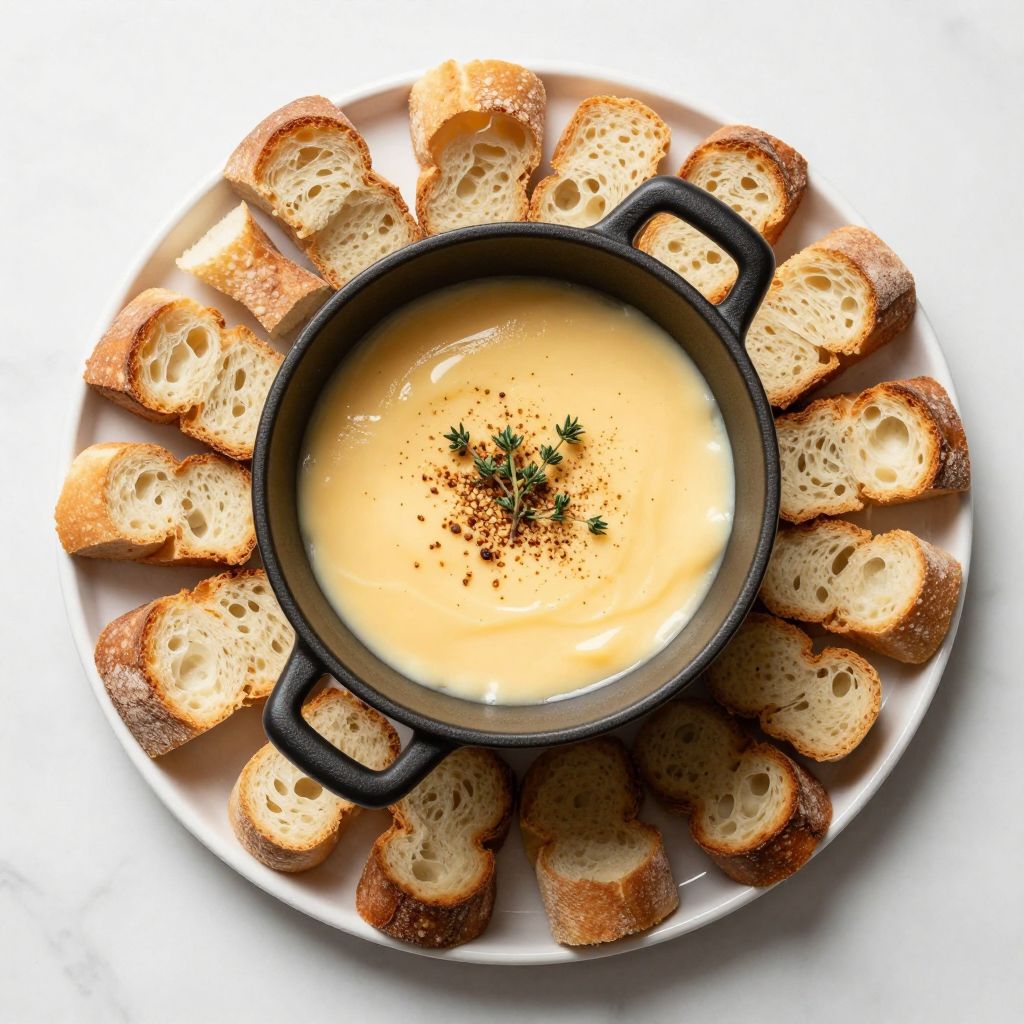
Swiss Fondue
Ingredients
Equipment
Method
- Cut 1 pound of crusty bread into 1-inch cubes and arrange on a serving plate or basket for dipping (about 5 minutes).
- Grate 8 ounces each of Emmental and Gruyère cheese using a box grater or microplane (about 5 minutes).
- In a bowl, toss the grated Emmental and Gruyère together to separate any clumps (2 minutes).
- Pour 1 cup dry white wine into a fondue pot or heavy-bottomed saucepan and heat over medium heat until small bubbles form at the edges, about 3–4 minutes.
- Reduce heat to medium-low and gradually add the cheese mixture in three batches, stirring constantly in a figure-eight pattern until each batch melts before adding the next, about 5 minutes.
- Stir in the cornstarch slurry (1 tablespoon mixed with 2 tablespoons cold water) and cook for 1 minute until the mixture thickens.
- Add 2 tablespoons kirsch or brandy, season with salt, white pepper, and a pinch of nutmeg, and cook for 30 seconds more.
- Transfer the fondue to a warmed fondue pot set over low heat and keep gently bubbling during serving, stirring occasionally to prevent a crust from forming.