
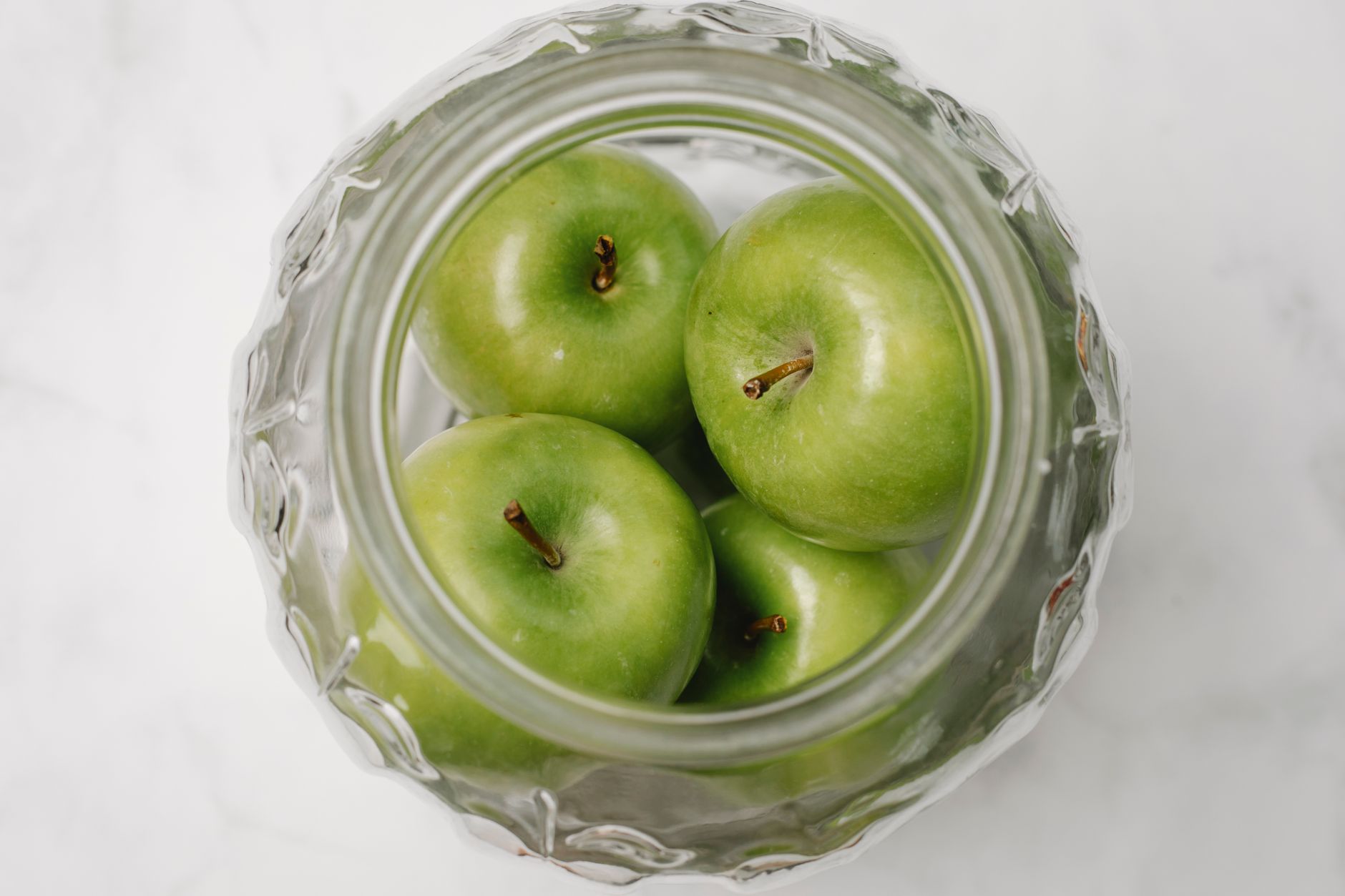
Apple sauce is a versatile ingredient often used in baking, cooking, or enjoyed on its own as a snack. One common question is whether it needs to be refrigerated after opening or preparation. Understanding how to store apple sauce properly is essential to maintain its quality and ensure food safety.
The answer largely depends on whether the apple sauce is homemade or store-bought and whether it is opened or unopened. This storage guide will help clarify when to refrigerate apple sauce, how long it lasts, and tips for proper storage.
Does Apple Sauce Need to Be Refrigerated?
Yes, once apple sauce is opened, it should be refrigerated to maintain freshness and prevent spoilage. Unopened commercial apple sauce can be stored at room temperature in a cool, dry place. Homemade apple sauce should always be refrigerated, regardless of whether it has been sealed or not.
Understanding Apple Sauce: Types and Composition
Apple sauce typically consists of apples that are cooked down and mashed into a smooth or chunky sauce. Depending on the recipe or brand, it may also contain sugar, cinnamon, preservatives, or other flavorings. These components influence how apple sauce should be stored.
Homemade Apple Sauce
Homemade apple sauce is made by cooking apples, mashing or blending them, and often adding sugar and spices to suit personal taste. Without preservatives, homemade apple sauce is more prone to spoilage. It should always be stored in the refrigerator after preparation.
Store-Bought Apple Sauce
Many brands of store-bought apple sauce contain preservatives that help prolong shelf life. Unopened jars can be kept in the pantry, but once opened, they need to be refrigerated. Always check the label for specific storage guidelines.
Storage Guidelines for Apple Sauce
Proper storage is crucial to extending the shelf life of apple sauce. Below are essential guidelines to follow for both homemade and store-bought varieties:
Unopened Apple Sauce
- Location: Store unopened commercial apple sauce in a cool, dry pantry or cupboard.
- Temperature: Keep away from direct sunlight and heat sources.
- Shelf Life: Generally, unopened apple sauce can last for 1-2 years past the “best by” date, but quality may decline over time.
Opened Apple Sauce
- Refrigeration: After opening, apple sauce should be refrigerated immediately.
- Container: Transfer to an airtight container or keep it in its original jar with a tight lid.
- Shelf Life: Typically lasts for about 7-10 days in the refrigerator once opened.
Homemade Apple Sauce
- Refrigeration: Always refrigerate homemade apple sauce after preparing.
- Container: Store in airtight glass or plastic containers.
- Shelf Life: Should be consumed within 5-7 days when refrigerated. Consider freezing for longer storage.
Signs of Spoilage in Apple Sauce
Knowing how to identify spoiled apple sauce is essential for food safety. Here are some common signs of spoilage:
- Smell: A sour or off odor indicates that the apple sauce has gone bad.
- Color: Discoloration or browning that is unusual for the apple sauce can be a sign of spoilage.
- Texture: If the sauce has developed mold, separated liquid, or a slimy texture, discard it immediately.
Freezing Apple Sauce for Long-Term Storage
If you want to store apple sauce for an extended period, freezing is an excellent option. Here’s how to freeze apple sauce safely.
Steps to Freeze Apple Sauce
- Prepare for Freezing: Ensure that the apple sauce has cooled completely before freezing.
- Choose Storage Containers: Use airtight freezer-safe bags or containers. Label the containers with the date to keep track of storage time.
- Leave Space: When filling containers, leave about an inch of space at the top to allow for expansion during freezing.
- Seal and Freeze: Seal the container tightly and place it in the freezer. Apple sauce can be frozen for 6-12 months.
Thawing Frozen Apple Sauce
To thaw frozen apple sauce, transfer it to the refrigerator for several hours or overnight before use. If you need it quickly, you can place the sealed container in a bowl of cold water for faster thawing. Avoid refreezing thawed apple sauce as it may lose its texture.
Uses for Apple Sauce: Culinary Applications
Apple sauce is a versatile ingredient with various culinary uses. Here are some popular ways to utilize it in your cooking and baking:
In Baking
Apple sauce can replace oils or butter in baking recipes, resulting in lower-fat baked goods. It adds moisture and a slight sweetness without overpowering flavors. Common applications include:
- Cakes: Use apple sauce in recipes for spice cakes, muffins, or even brownies.
- Pancakes and Waffles: Mix into batter for added flavor and moisture.
- Quick Breads: Substitute some or all of the oil with apple sauce for healthier bread options.
As a Sweetener
In various recipes, apple sauce can be used as a natural sweetener. It provides sweetness while maintaining moisture levels without the added sugar. It works well in:
- Oatmeal: Stir in apple sauce instead of brown sugar for a healthier twist.
- Smoothies: Add apple sauce for natural sweetness without the calories of ice cream or added sugar.
In Savory Dishes
Apple sauce can also complement savory dishes, particularly meat recipes. Consider using it in:
- Pork Dishes: Serve alongside pork chops or use it as a glaze for roasted pork.
- As a Marinade: Combine with spices to create a flavorful marinade for chicken or drizzled over roasted vegetables.
Common Mistakes with Apple Sauce Storage
Proper storage of apple sauce can be overlooked, leading to waste or spoilage. Here are some common mistakes to avoid:
1. Not Refrigerating After Opening
One of the most common errors is neglecting to refrigerate opened apple sauce. Always ensure it’s properly stored in the refrigerator to prevent spoilage.
2. Keeping It in the Pantry
Opened jars or containers of apple sauce should never be left in the pantry. Once opened, bacteria can enter, making refrigeration a must.
3. Using Non-Airtight Containers
Storing apple sauce in non-airtight containers can expose it to air and lead to oxidation, affecting flavor and shelf life. Always seal it tightly.
Conclusion
Apple sauce is a delicious and versatile ingredient that can be enjoyed in many ways. Proper storage is critical to ensure its longevity and quality. Refrigerate opened jars or homemade varieties and utilize frozen storage for extended use. Remember to check for spoilage signs, and don’t hesitate to enjoy apple sauce in both sweet and savory dishes.
For related recipes and cooking tips, explore our apple sauce cake recipe and learn about the shelf life of other dairy products with our guide on cottage cheese shelf life.