
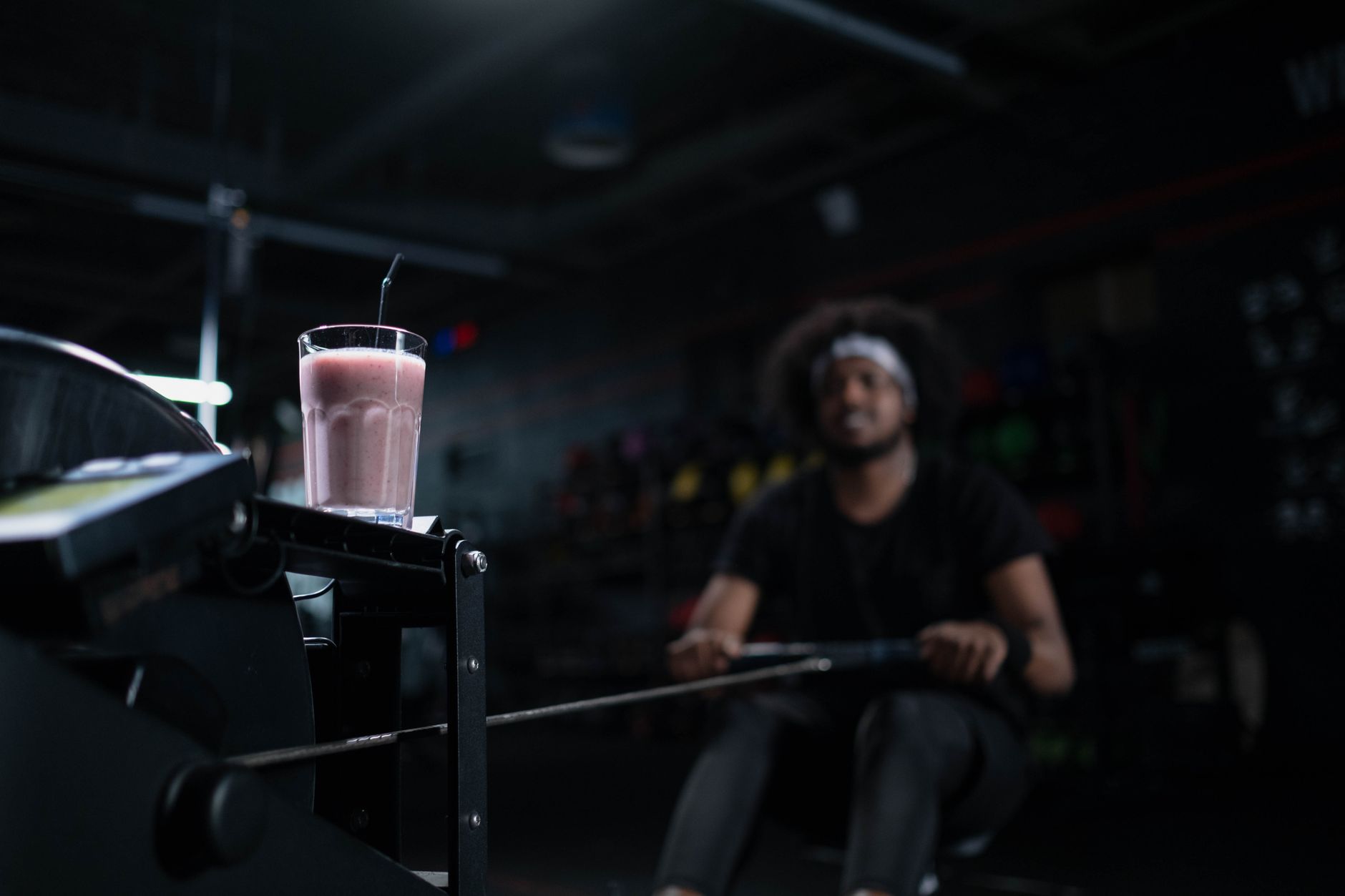
When it comes to working out, nutrition plays a significant role in how your body performs and recovers. One recurring question many fitness enthusiasts ask is whether to eat before or after a workout. The answer isn’t one-size-fits-all; it depends on various factors including your workout intensity, duration, and personal preferences.
This article delves into the nuances of pre- and post-workout nutrition, helping you make informed choices that suit your fitness goals. We will explore the benefits of eating before and after a workout, ideal food options, meal timings, and various strategies to optimize your exercise regime.
Do You Eat Before or After a Workout?
The decision to eat before or after a workout depends on your individual needs and the nature of your workout. Eating before exercise can fuel your workout and enhance performance, while post-workout nutrition aids in recovery and muscle gain. Consider your personal goals, workout type, and how your body responds to food intake around exercise.
Benefits of Eating Before a Workout
Consuming food prior to exercise can provide numerous benefits. Here are some key advantages:
- Increased Energy Levels: Consuming carbohydrates and proteins before a workout ensures that your body has the necessary fuel to perform at its best.
- Improved Endurance: Eating a balanced meal can help maintain blood sugar levels, enabling you to exercise for longer periods without fatigue.
- Mental Focus: Proper nutrition can also enhance concentration, thereby improving your overall workout experience.
What to Eat Before a Workout
Your pre-workout meal or snack should ideally consist of carbohydrates for energy and protein for muscle support. Here are some excellent food options:
- Oatmeal: A bowl of oatmeal topped with fruits provides complex carbohydrates for sustained energy.
- Greek Yogurt with Honey: Offers a mix of protein and carbohydrates, perfect for quick digestion.
- Banana or Apple: These fruits provide easily digestible carbs and a quick energy boost.
- Whole Grain Toast: Topped with almond butter, it combines protein and healthy fats.
Timing Your Pre-Workout Meal
Timing is crucial when it comes to eating before working out. Aim to consume your meal 1-3 hours beforehand to optimize digestion and performance. If you’re eating a smaller snack, 30-60 minutes prior to your workout is ideal.
Benefits of Eating After a Workout
Post-workout meals are equally important as they help replenish your body after exercise. Here are the key benefits:
- Muscle Recovery: Consuming protein after a workout aids in muscle repair and growth.
- Glycogen Replenishment: After exercising, your body needs to restock glycogen stores, especially after endurance-based workouts.
- Hydration and Replenishment: Eating after a workout can help replace lost fluids and nutrients.
What to Eat After a Workout
Your post-workout meal should focus on protein and carbohydrates. Here are some effective options:
- Grilled Chicken with Quinoa: This meal combines lean protein with complex carbohydrates for optimal recovery.
- Smoothie: A smoothie made with protein powder, fruits, and spinach can be easily digested and packed with nutrients.
- Eggs with Whole Grain Bread: Eggs provide high-quality protein, paired with whole grains for carbohydrates.
- Cottage Cheese with Pineapple: This snack is rich in protein and easy to prepare, ideal for post-workout recovery.
Timing Your Post-Workout Meal
It’s recommended to consume a post-workout meal within 30-60 minutes after your session. This timeframe is crucial for maximizing recovery when your muscles are most receptive to nutrients.
Special Considerations for Different Workout Types
Your meal choices might vary depending on the type of workout you engage in. Here’s a breakdown:
1. Endurance Workouts
For endurance-focused training like long-distance running or cycling, emphasize carbohydrates both pre- and post-workout to sustain energy and replenish glycogen. Consider snacks like energy bars or bananas beforehand.
2. Strength Training
When strength training, prioritize protein intake both before and after your workout. Foods like Greek yogurt or a protein shake are excellent choices to aid muscle repair.
3. High-Intensity Interval Training (HIIT)
HIIT workouts often call for quick bursts of energy. A small snack containing carbs and a bit of protein about 30 minutes before can help maximize performance. Post-workout, refuel with protein-rich options for recovery.
Understanding Personal Preferences
Everyone’s body responds differently to food intake. Experiment with different foods, portion sizes, and meal timings to see what works best for you. Here are some handy tips:
- Listen to Your Body: Pay attention to how you feel during your workouts and adjust your eating habits accordingly.
- Stay Hydrated: Don’t forget about hydration; fluids are just as important as food for optimal performance.
- Avoid Heavy Meals: Eating a large meal too close to your workout can cause discomfort. Stick to smaller portions for optimal energy.
Common Mistakes to Avoid
While understanding pre- and post-workout nutrition is vital, there are common pitfalls to avoid:
- Skipping Meals: Skipping either your pre- or post-workout meal can hinder performance and recovery.
- Choosing Unhealthy Options: High-sugar snacks or heavy fatty foods can make you feel sluggish.
- Not Experimenting: Sticking to the same routine without testing different foods may limit your potential.
Practical Meal Prep Ideas
Meal prepping can ensure you stay on track with your nutritional goals. Here are some ideas:
- Overnight Oats: Prepare oats with yogurt and fruits the night before for a quick breakfast.
- Protein Pancakes: Make a batch for a nutrient-rich pre-workout snack.
- Grilled Chicken & Veggies: Cook a big batch of grilled chicken and freeze it for easy post-workout meals.
Hydration Matters
Don’t overlook the importance of hydration alongside nutrition. Drink water before, during, and after your workouts. Consider electrolyte drinks for longer sessions.
Final Thoughts
To sum up, whether you choose to eat before or after a workout ultimately comes down to your personal preferences, workout intensity, and overall fitness goals. Proper nutrition can significantly impact your performance and recovery, hence understanding your body’s needs is essential. Start experimenting with pre- and post-workout meals to find what fuels your workouts most effectively.
For tasty meal options, try this chia pudding recipe or enjoy making protein cookies for a wholesome snack! Explore related recipes, cooking tips, or food guides for better nutrition and healthy eating habits.