
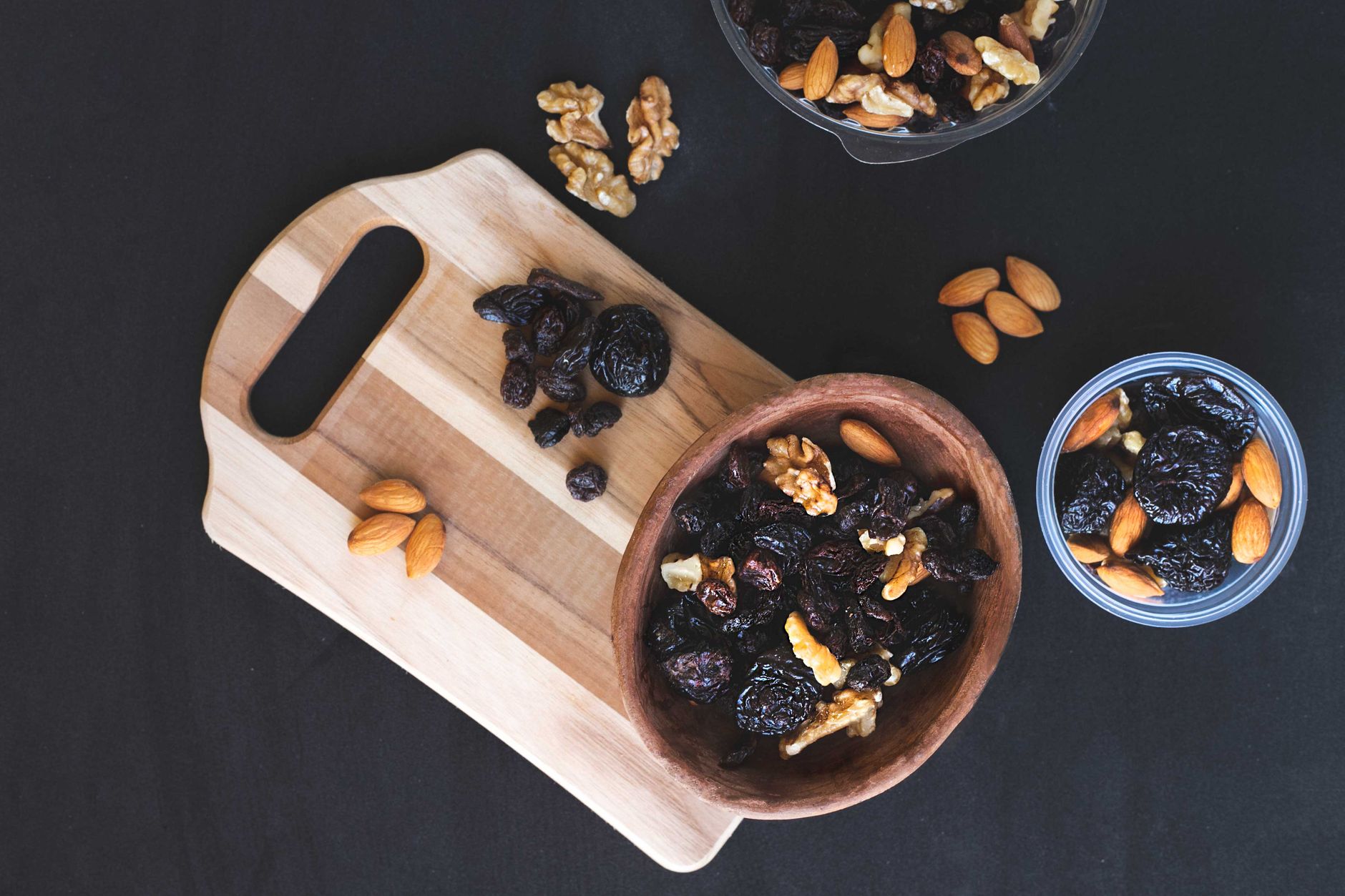
When it comes to nutritional superstars, prunes often fly under the radar. Known for their role in promoting digestive health, these dried plums pack a punch with their fiber content. In this article, we will explore whether prunes have fiber, their nutritional benefits, serving sizes, and how to incorporate them into your meals.
Prunes are not only a source of fiber but also boast a range of vitamins and minerals. Whether you’re looking to improve your digestion, add a natural sweetness to your dishes, or simply enjoy a nutritious snack, prunes can be a valuable addition to your diet. Let’s delve deeper into their fiber content and other nutritional aspects.
Do Prunes Have Fiber?
Yes, prunes are indeed high in fiber. A typical serving of prunes contains about 3 grams of dietary fiber per 100 grams, making them an excellent choice for promoting digestive health and regularity. The fiber in prunes can help prevent constipation and may also have other health benefits.
Nutritional Facts of Prunes
Beyond their fiber content, prunes have several other essential nutrients. Let’s take a closer look at the nutritional facts for a standard serving size of prunes.
| Nutrient | Amount per 100 grams |
|---|---|
| Calories | 240 |
| Carbohydrates | 64 grams |
| Fiber | 7 grams |
| Sugars | 38 grams |
| Protein | 2 grams |
| Fat | 0.4 grams |
| Potassium | 732 mg |
| Iron | 0.9 mg |
| Vitamin K | 60.5 mcg |
Health Benefits of Fiber in Prunes
Incorporating fiber-rich foods like prunes into your diet can provide various health benefits:
- Improved Digestion: The soluble and insoluble fiber in prunes helps to regulate bowel movements and prevent constipation.
- Heart Health: High fiber intake is associated with lower cholesterol levels, which can reduce the risk of heart disease.
- Weight Management: Fiber can help keep you feeling full longer, which may assist in weight loss or maintenance.
- Blood Sugar Control: Fiber can slow digestion, which may help stabilize blood sugar levels.
How Many Prunes Should You Eat?
While prunes offer numerous health benefits, moderation is key. Most nutritionists recommend a serving size of about 4 to 6 prunes per day, which is approximately 100 grams. This serving size provides a good amount of fiber without excessive sugar or calories. However, individual needs may vary, so it’s best to consult a healthcare professional for personalized advice.
Cooking and Using Prunes
Prunes are incredibly versatile and can be used in a variety of dishes. Here are some practical ways to incorporate them into your cooking:
1. Snacks
Enjoy prunes on their own as a nutritious snack. They are sweet, chewy, and satisfying, making them an ideal option for a mid-afternoon pick-me-up.
2. Breakfast
Add chopped prunes to your morning oatmeal or yogurt. They add natural sweetness and enhance the fiber content of your breakfast.
3. Baking
Prunes can be used in baked goods like muffins, breads, and cookies. They can replace some of the sugar and fats in recipes, providing moisture and flavor.
4. Sauces and Dressings
Puree prunes to create a natural sweetener for salad dressings or sauces. Their rich flavor can complement savory dishes beautifully.
5. Meat Dishes
Prunes pair well with meats, especially in savory dishes like braised meats or stews. They add depth of flavor and a hint of sweetness.
Storing Prunes
Proper storage is essential to maintain the quality and flavor of prunes. Here’s how to store them effectively:
- Airtight Container: Store prunes in an airtight container to prevent them from drying out or absorbing odors from other foods.
- Cool, Dry Place: Keep prunes in a cool, dry place, away from direct sunlight, which can degrade their quality.
- Refrigeration: For long-term storage, you can refrigerate prunes; however, they may become firmer and less pleasant to eat.
Common Mistakes When Using Prunes
Here are some common mistakes to avoid when incorporating prunes into your diet:
- Overconsumption: Eating too many prunes at once can lead to digestive issues such as gas or bloating because of their high fiber content.
- Ignoring Storage: Failing to store prunes properly can result in drying them out, making them less appealing.
- Skipping Recipes: Many people overlook the potential of prunes in savory dishes. Experimenting can reveal delicious flavor combinations.
Frequently Asked Questions
Are prunes gluten-free?
Yes, prunes are naturally gluten-free, making them suitable for individuals with gluten intolerance or celiac disease.
Can prunes help with constipation?
Yes, the fiber and natural sorbitol in prunes are effective in relieving constipation by promoting bowel movement.
Are there any side effects of eating prunes?
While prunes are healthy, excessive consumption can lead to gastrointestinal discomfort such as bloating or diarrhea due to their high fiber and sugar alcohol content.
Prune Recipes to Try
If you’re inspired to use prunes in your cooking, here are a few simple recipes to get started:
Prune and Walnut Oatmeal
This hearty breakfast combines the fiber of oats and prunes for a healthy start to your day.
Ingredients:
- 1 cup rolled oats
- 3 cups water or milk
- 1/2 cup chopped prunes
- 1/4 cup chopped walnuts
- 1 tbsp honey or maple syrup (optional)
- Pinch of salt
Method:
- In a saucepan, bring water or milk to a boil.
- Add the oats and salt. Reduce heat to simmer.
- Cook for about 5–7 minutes, stirring occasionally, until oats are cooked.
- Stir in chopped prunes and walnuts. Sweeten with honey or syrup if desired.
- Serve warm, topped with more walnuts or sliced bananas.
Prune Chutney
This sweet and savory chutney pairs well with meats and cheeses.
Ingredients:
- 1 cup chopped prunes
- 1/2 cup onion, finely chopped
- 1/4 cup apple cider vinegar
- 1/4 cup brown sugar
- 1 tsp ginger, grated
- 1/2 tsp cinnamon
Method:
- Combine all ingredients in a saucepan over medium heat.
- Simmer for 15–20 minutes, stirring occasionally, until thickened.
- Cool and store in an airtight container in the refrigerator.
Prune Alternatives
If you find yourself without prunes or need an alternative, consider these options:
- Dried Apricots: Similar in texture and sweetness, they are also fiber-rich.
- Dates: Very sweet and high in fiber, they can be used as a natural sweetener in recipes.
- Raisins: While slightly less fibrous, they can work in many recipes where prunes are called for.
Prunes are more than just a remedy for digestive issues; they are a nutritious, versatile ingredient that adds both flavor and health benefits to a variety of dishes. Incorporating them into your daily diet can lead to improvements in digestive health, heart health, and overall nutritional intake. Remember to enjoy them in moderation and explore the different ways to use prunes in your meals. If you’re looking for high-fiber alternatives, take a look at how much fiber is in banana or discover whether kale has fiber, as these ingredients can also play a significant role in a balanced diet.
Explore related recipes, cooking tips, or food guides for more ideas on incorporating healthy ingredients into your meals at how much fiber in banana and does kale have fiber.