
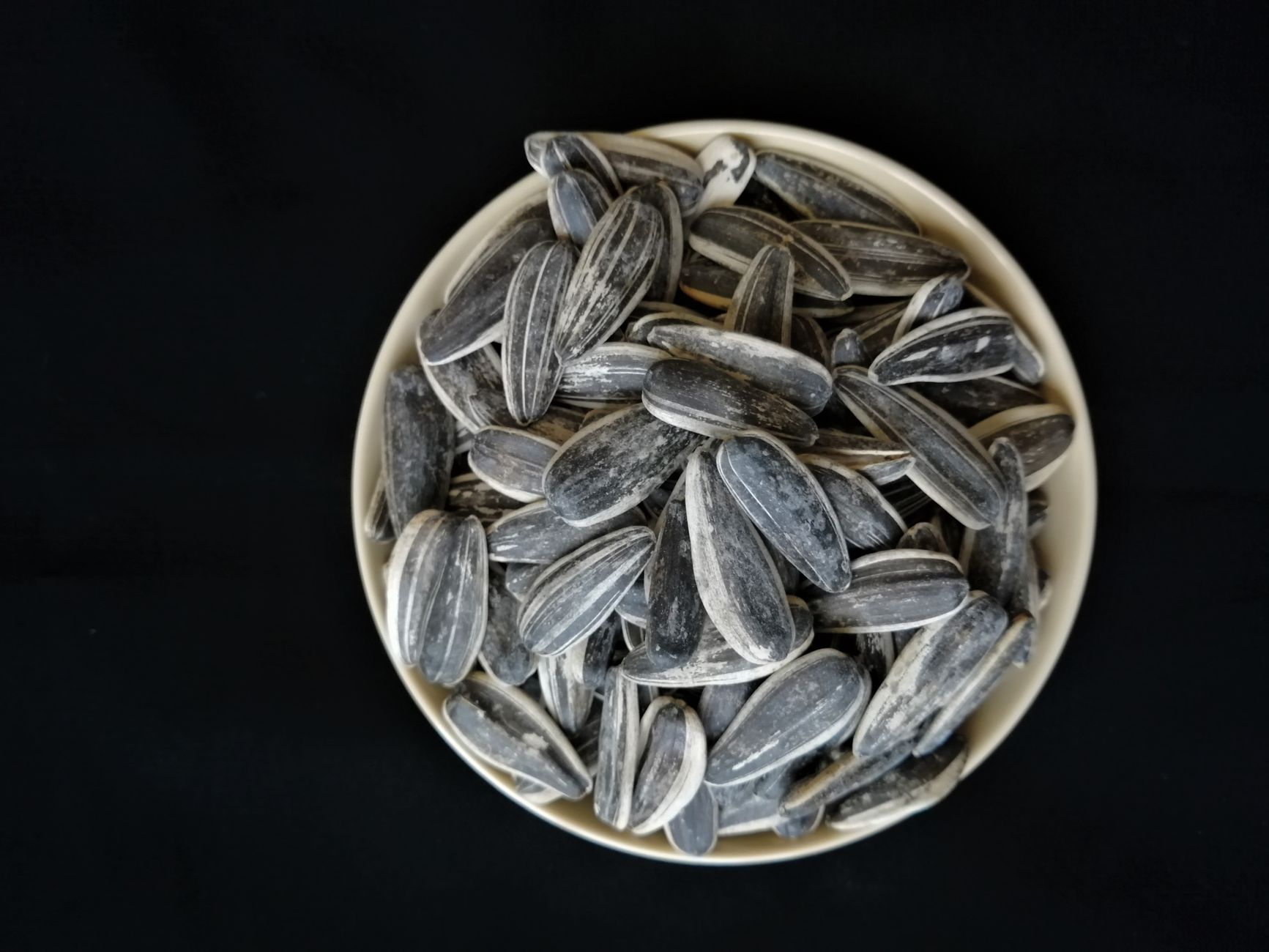
Sunflower seeds are a popular snack, often enjoyed in various forms, from whole seeds to roasted and spiced varieties. People often wonder whether it is safe to swallow sunflower seeds whole, especially with the outer shell. This article uncovers the facts about sunflower seeds, their culinary uses, and important considerations for consuming them.
Not only are sunflower seeds a nutritious snack, but they can also be used in various dishes to enhance flavor and texture. Whether you’re snacking on them at a ball game or incorporating them into a salad, understanding how to consume sunflower seeds can elevate your culinary experience.
Can You Swallow Sunflower Seeds?
Yes, you can swallow sunflower seeds, but there are some nuances to consider. The small, soft kernel inside the seed is safe to swallow, while the hard outer shell is typically not meant for consumption. Ingesting the shell might lead to discomfort or digestive issues. Therefore, it is generally advisable to remove the shell before swallowing.
The Anatomy of Sunflower Seeds
To understand safe consumption, it’s important to know the structure of sunflower seeds. They consist of two main parts: the hull and the kernel.
The Hull
The hull, or shell, is the hard outer casing of the sunflower seed. While it can be crunchy and might add texture to your snack, it is indigestible and should typically be discarded. Some people enjoy eating seeds in their shells, but be cautious as the hull can cause gastrointestinal discomfort.
The Kernel
The kernel is the edible part of the sunflower seed, packed with nutrition and flavor. It contains healthy fats, proteins, vitamins, and minerals. When consumed, it provides a delightful nutty flavor and is great for snacking or using in various recipes.
Nutritional Benefits of Sunflower Seeds
Sunflower seeds are not only tasty but also nutrient-dense. Here are some key nutritional benefits:
- Healthy Fats: They are rich in polyunsaturated fats, including omega-6 fatty acids, which are important for heart health.
- Protein: Sunflower seeds are a great source of plant-based protein, making them an excellent snack for vegetarians and vegans.
- Vitamins and Minerals: They are loaded with vitamin E, magnesium, phosphorus, and selenium, which support overall health.
- Antioxidants: These seeds contain antioxidants that help combat oxidative stress in the body.
Culinary Uses of Sunflower Seeds
Sunflower seeds are versatile and can be used in a variety of culinary applications. Here are some popular ways to incorporate them into your diet:
Snacks
One of the simplest ways to enjoy sunflower seeds is as a snack. You can eat them raw, roasted, or flavored with spices. They can be eaten on their own or combined with other nuts and seeds for a trail mix.
Baking
Add sunflower seeds to baked goods like bread, muffins, and granola bars for added texture and nutrition. They can also be sprinkled on top of pastries for a crunchy topping.
Salads
Sunflower seeds can elevate salads with their nutty flavor and crunch. Toss them into green salads, grain salads, or pasta salads for an added nutrient boost.
Granola and Energy Bars
Include sunflower seeds in homemade granola or energy bar recipes. They bind well with oats and provide a delicious crunch.
Sunflower Seed Butter
Like peanut butter, sunflower seed butter is a popular spread. It is nut-free and often used as an alternative in allergy-friendly recipes. Spread it on toast, add it to smoothies, or use it in baking.
Dressings and Dips
Ground sunflower seeds can be used to make creamy dressings, dips, or sauces. Blending them with olive oil, vinegar, and spices creates a delicious salad dressing or dip.
How to Prepare Sunflower Seeds for Consumption
If you’re planning to incorporate sunflower seeds into your diet, preparation is key. Here are some steps to enjoy them safely:
- Select Quality Seeds: Choose high-quality sunflower seeds from a reputable source, ensuring they are fresh and free from any mold or spoilage.
- Rinse (If Raw): If you’re using raw seeds, rinse them under cool water to remove any dirt or debris.
- Option to Soak: Soaking sunflower seeds overnight can enhance their digestibility and flavor. Be sure to drain and rinse them afterward.
- Roasting (Optional): To enhance their flavor, roast sunflower seeds in the oven. Spread them on a baking sheet and roast at 350°F (175°C) for 10-15 minutes, stirring occasionally.
- Flavoring (Optional): Consider tossing roasted seeds with olive oil, salt, or your favorite spices for a flavorful snack.
Common Mistakes When Eating Sunflower Seeds
Even though sunflower seeds are easy to enjoy, there are some common mistakes to avoid:
- Swallowing the Hull: Ensure you discard the hull as it is indigestible and may cause discomfort.
- Overconsumption: While nutritious, sunflower seeds are high in calories. Moderation is essential.
- Not Storing Properly: Store sunflower seeds in an airtight container in a cool, dark place to maintain freshness.
Storage Guidelines for Sunflower Seeds
Proper storage is essential for keeping sunflower seeds fresh. Here are some guidelines:
- Raw Seeds: Store in an airtight container in the refrigerator to prolong freshness, especially if not consumed quickly.
- Roasted Seeds: Keep in a cool, dark pantry in an airtight container. They can also be refrigerated to extend shelf life.
- Sunflower Seed Butter: Once opened, refrigerate to maintain freshness and prevent rancidity.
Potential Allergies and Sensitivities
While sunflower seeds are generally safe for consumption, some individuals may experience allergic reactions. If you’re introducing them into your diet for the first time, watch for symptoms like itchiness, swelling, or gastrointestinal discomfort. Always consult a healthcare professional if you have concerns about food allergies.
Alternatives to Sunflower Seeds
If sunflower seeds aren’t an option for you, there are other seeds and nuts to consider that provide similar textures and flavors:
- Pumpkin Seeds: Also known as pepitas, these seeds have a similar taste and texture and can be consumed raw or roasted.
- Sesame Seeds: A good alternative, sesame seeds can enhance salads, baked goods, and dressings.
- Almonds: These nuts offer a crunchy texture and are versatile in snacks, baking, and cooking.
- Chia Seeds: Known for their unique ability to absorb liquid, chia seeds can be added to smoothies and puddings.
Conclusion
Sunflower seeds are a delicious and nutritious snack option, providing numerous health benefits. While you can swallow the edible kernels, it is crucial to avoid the hull for optimal digestive health. From snacking to enhancing various dishes, sunflower seeds play an important role in culinary applications. Just be mindful of proper storage, potential allergies, and the appropriate preparation steps to enjoy these seeds to the fullest.
For more information on related topics, explore do chia seeds go bad and how long cottage cheese lasts after opening to gain further insights into ingredient storage and safety.