
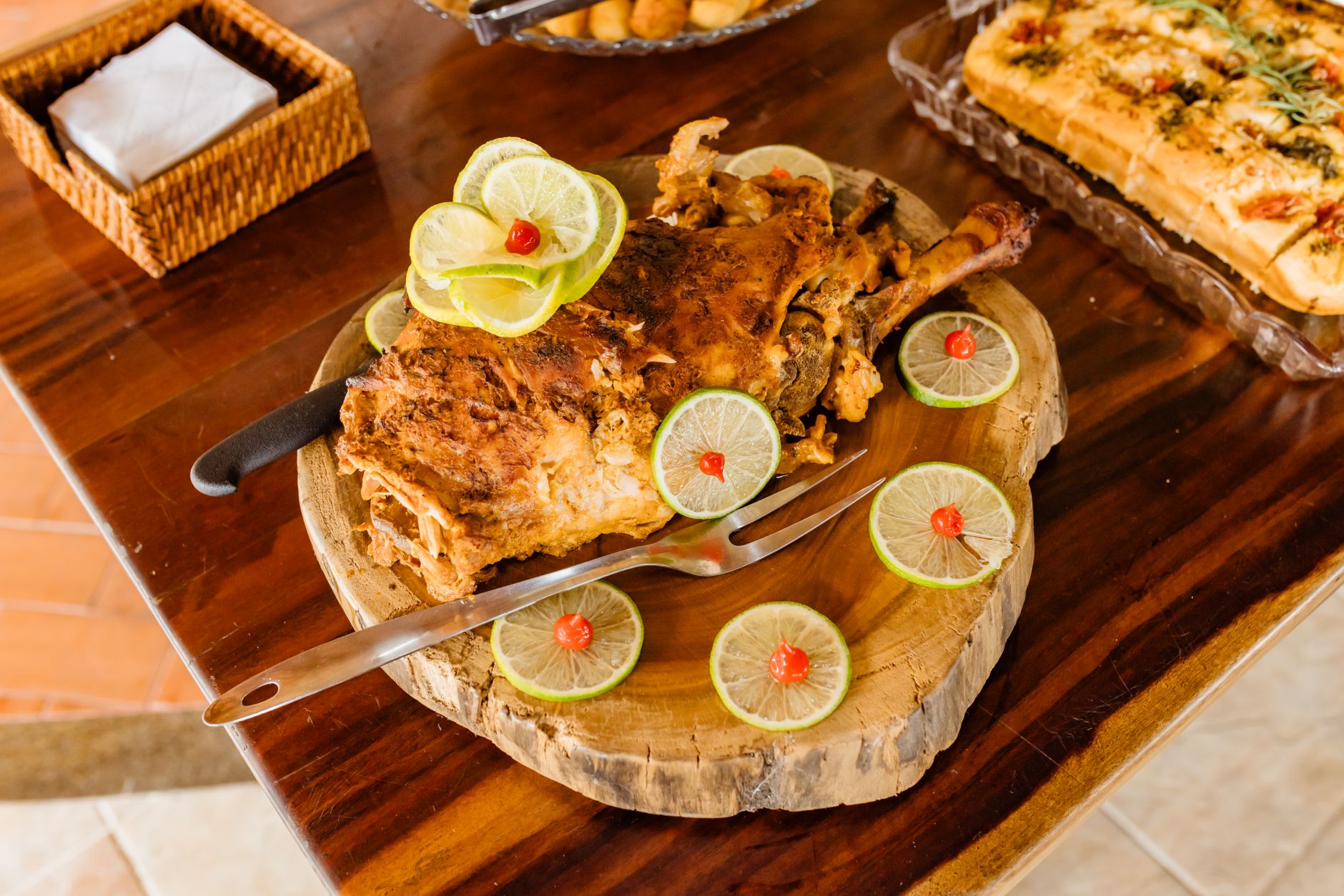
The culinary world is vast and varied, with many ingredients sourced from different animals including sheep. Yes, people do eat sheep, and their meat, often referred to as lamb or mutton, is a staple in many cuisines around the globe. The distinctions between lamb and mutton are significant, and understanding these terms can enhance your culinary experience.
Exploring the flavors, preparation methods, and serving ideas for sheep meat opens up a plethora of delicious possibilities. This comprehensive guide will delve into the types of sheep consumed, their culinary uses, and cooking techniques to help you incorporate this ingredient into your meals.
Do People Eat Sheep?
Yes, people do eat sheep, primarily in the form of lamb and mutton. Lamb refers to the meat from young sheep, while mutton comes from older sheep and is known for its stronger flavor. Both types of meat offer unique culinary opportunities and are enjoyed in several cultures worldwide.
The Distinction Between Lamb and Mutton
Understanding the difference between lamb and mutton is essential for cooking and flavor profiles.
Lamb
Lamb is typically the meat from sheep that are less than one year old. It is known for its tender texture and milder flavor, making it a popular choice in various dishes. Lamb is often preferred for its subtle taste, which pairs well with a range of spices and cooking methods.
Mutton
Mutton is derived from older sheep, usually over one year old. It is characterized by a more robust and pronounced flavor compared to lamb. The meat can be tougher and may require different cooking techniques, such as slow cooking or braising, to ensure tenderness. Mutton is integral to many traditional dishes in various cultures.
Culinary Uses of Lamb and Mutton
Both lamb and mutton are versatile and can be prepared in numerous ways across different cuisines. Here are some popular methods of preparation:
- Roasting: A classic method for cooking lamb leg or shoulder, often seasoned with herbs and spices.
- Grilling: Lamb chops and skewers benefit from grilling, giving them a smoky flavor.
- Braising: Mutton is often braised in stews, absorbing the flavors of accompanying ingredients.
- Soups and Curries: Both meats serve as excellent bases for hearty soups and rich curries.
- Ground Meat: Ground lamb or mutton can be used for burgers, meatballs, and kebabs.
Flavor Profile and Pairings
The distinct flavor of sheep meat can be complemented in various ways. Here are some popular pairings and seasonings to enhance the taste:
- Herbs: Rosemary, thyme, mint, and oregano work wonderfully with lamb.
- Spices: Cumin, coriander, and paprika add warmth and depth to mutton dishes.
- Fruits: Dried fruits like apricots and pomegranates pair nicely with lamb.
- Vegetables: Root vegetables such as carrots and potatoes are excellent accompaniments.
Cooking Techniques for Sheep Meat
There are several cooking techniques you can use to prepare lamb and mutton, each lending a different flavor and texture to the meat. Here are some popular methods:
Roasting
Roasting is one of the most traditional methods of cooking lamb. It involves cooking the meat in the oven, which allows for the development of a delicious crust while keeping the inside juicy and tender.
Equipment Needed:
- Roasting pan
- Meat thermometer
- Oven
Steps to Roast Lamb:
- Preheat your oven to 375°F (190°C).
- Season the lamb with salt, pepper, and your choice of herbs.
- Place the lamb in a roasting pan and insert a meat thermometer into the thickest part of the meat.
- Roast until the thermometer reads 140°F (60°C) for medium-rare, or 160°F (70°C) for medium (about 20 minutes per pound).
- Let the meat rest for at least 15 minutes before slicing.
Braising
Braising is particularly suited for mutton, as it tenderizes the meat while infusing it with flavor. This method is ideal for tougher cuts, as it uses both wet and dry heat to break down connective tissues.
Equipment Needed:
- Heavy pot or Dutch oven
- Knife
- Cutting board
Steps to Braise Mutton:
- Heat oil in a heavy pot over medium heat.
- Season the mutton and sear it until browned on all sides.
- Add aromatics like onions, garlic, and spices, cooking until fragrant.
- Pour in liquid (stock, wine, or water) until it covers about half of the meat.
- Cover and simmer on low heat for several hours, or until tender.
Grilling
Grilling is a popular way to prepare lamb, especially for cuts like chops and shanks. The high heat of the grill gives the meat a nice char while keeping it juicy.
Equipment Needed:
- Grill
- Tongs
- Meat thermometer
Steps to Grill Lamb Chops:
- Preheat your grill to medium-high heat.
- Season the lamb chops with salt, pepper, and preferred marinade.
- Place them on the grill and cook for 4-5 minutes per side for medium-rare.
- Use a thermometer to check for doneness (135°F / 57°C for medium-rare).
- Let the chops rest before serving.
Popular Regional Dishes Featuring Sheep
Many cultures embrace lamb and mutton in their traditional cuisines. Here’s a look at some iconic dishes:
Middle Eastern Cuisine
Dishes like kebabs, kofta, and lamb shawarma reflect the extensive use of lamb in Middle Eastern cooking. These meals often incorporate spices like cumin and sumac.
Indian Cuisine
In India, mutton is commonly used in rich curries such as Rogan Josh and biryanis, which combine fragrant spices and often slow-cooked flavors.
European Cuisine
In countries like Greece and Italy, lamb is roasted whole for festive occasions, often served with sides of vegetables flavored with olive oil and herbs.
North African Cuisine
Tagines featuring lamb, cooked with fruits and nuts, showcase the sweet and savory flavors typical in North African dishes.
Serving Ideas for Lamb and Mutton
- Plating: Arrange sliced lamb or mutton on a platter surrounded by roasted vegetables.
- Garnishing: Fresh herbs like mint or cilantro can brighten the dish.
- Sauces: Offer yogurt or mint sauce as a refreshing condiment.
- Accompaniments: Serve with flatbreads, rice, or couscous to soak up the juices.
Practical Tips for Cooking Sheep
Cooking lamb or mutton can be straightforward with the right techniques. Here are some practical tips for best results:
- Allow the meat to come to room temperature before cooking for more even cooking.
- Always use a meat thermometer to check for doneness.
- Let the meat rest after cooking to allow juices to redistribute.
- When roasting, consider covering the meat with foil if it browns too quickly.
Storage and Reheating Suggestions
Proper storage and reheating are crucial to maintain the quality and safety of lamb and mutton leftovers.
Storage
Store cooked sheep meat in an airtight container in the refrigerator for up to three to four days. For longer storage, consider freezing, which can maintain quality for about four to six months.
Reheating
When reheating, do so gently to prevent drying out the meat. The best method is to use the oven at a low temperature (around 300°F / 150°C) until heated through or microwaving in short intervals, covered.
Conclusion
Eating sheep in the form of lamb and mutton provides an opportunity to explore diverse flavors and dishes from various cuisines. Whether you choose to roast, grill, or braise these meats, they can elevate your meals with their rich and distinctive tastes.
For delicious lamb recipes, try our lamb ribs recipe, or if you prefer ground meat, check out our ground lamb recipe for exciting meal ideas.