
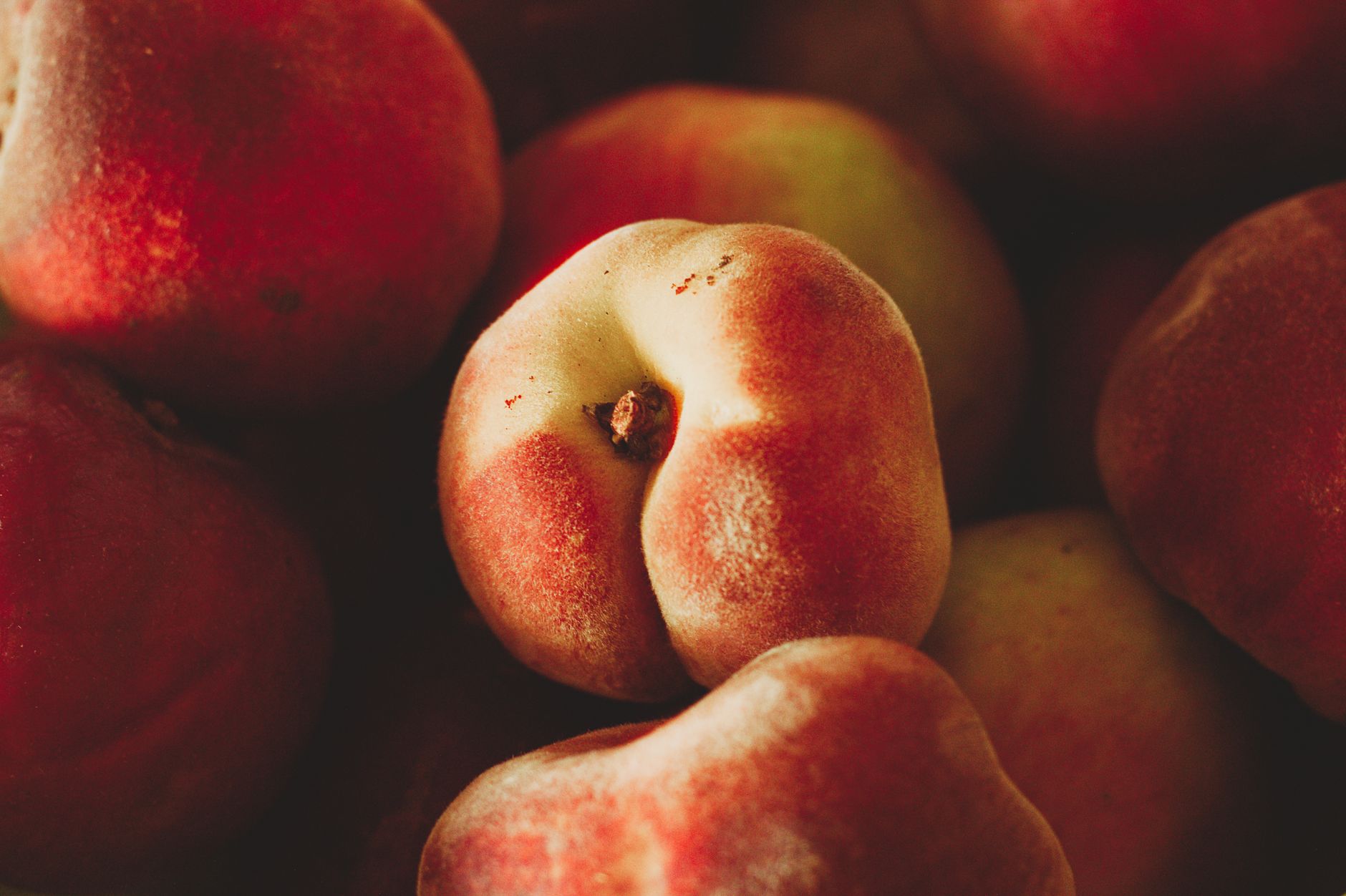
Peaches and nectarines share a close resemblance, leading many to wonder if they taste the same. Understanding their differences can enhance your culinary endeavors, whether you’re picking them for a snack, baking, or adding them to a flavorful dish.
This article delves into the taste profiles, textures, and uses of peaches and nectarines, offering insights into why you might choose one over the other in your cooking and baking projects.
Do Peaches and Nectarines Taste the Same?
Peaches and nectarines do not taste exactly the same, although their flavor profiles are similar. Peaches are generally sweeter and juicier, while nectarines are firmer and can have a slightly more tart and aromatic flavor due to their skin texture.
A Brief Overview of Peaches and Nectarines
Peaches and nectarines belong to the same species, Prunus persica, and are often mistaken for one another. The primary distinction lies in their skins; peaches have fuzzy skin, while nectarines are smooth. Despite this, both fruits share common flavor characteristics and can frequently be substituted in recipes.
Taste Profiles of Peaches and Nectarines
Here’s a breakdown of the taste characteristics and flavor nuances of each fruit:
Peaches
Peaches are known for their sweet, rich flavor combined with juicy flesh. Here are some key points about their taste:
- Sweetness: Peaches tend to have a pronounced sweetness that can vary based on ripeness.
- Juiciness: Their juicy texture contributes to their refreshing quality, making them ideal for summer snacks.
- Floral notes: Many peach varieties have a light floral aroma, enhancing their appeal in desserts and dishes.
- Texture: The fuzz on the skin can affect the overall mouthfeel and initial taste experience.
Nectarines
Nectarines possess a slightly different flavor profile compared to peaches. Here’s what to note:
- Tartness: Nectarines can exhibit a hint of tartness, balancing their sweetness and making them versatile.
- Firm texture: The smooth skin leads to a firmer bite, offering a denser texture that some prefer.
- Flavors: The absence of fuzz may result in a more concentrated flavor, with some varieties tasting more aromatic and intense.
- Usage: Their firmer texture often makes them better in salads and savory dishes where a crunch is desired.
Choosing Between Peaches and Nectarines
When deciding which fruit to utilize, consider the following factors:
Ripeness
The ripeness of either fruit can alter its taste dramatically. Ripe peaches will be soft and fragrant, while ripe nectarines will be slightly firmer but still yield to gentle pressure. Always select fruit that feels slightly soft to the touch for the best flavor.
Variety
There are numerous varieties of both peaches and nectarines available, and they can differ significantly in flavor and texture. For example:
- Clingstone vs. Freestone: Clingstone varieties have flesh that clings to the pit, producing more juice, while freestone varieties allow for easy pit removal.
- Yellow vs. White Flesh: Yellow-fleshed varieties tend to be more acidic, whereas white-fleshed peaches and nectarines are sweeter and less tart.
Culinary Uses for Peaches and Nectarines
Both fruits shine in various culinary applications. Here’s a look at how to incorporate peaches and nectarines into your cooking and baking:
Snacking
Enjoying peaches and nectarines raw is one of the simplest ways to appreciate their flavors. Slice them for fruit salads, or serve whole with a sprinkle of salt to enhance sweetness. Their natural sugars make them a healthy choice for quick snacks.
Desserts
Peaches and nectarines are fantastic in desserts:
- Pies: Both fruits make delicious pies. Use a mix of peaches and nectarines for a unique flavor.
- Cobblers: A warm peach or nectarine cobbler, topped with ice cream, is a classic summer dessert.
- Grilled: Grilled slices can enhance their natural sweetness. They work well served beside cakes or in a parfait.
Salads and Salsas
The acidity of nectarines makes them surprisingly suitable for savory dishes, while peaches can complement many fresh salads:
- Summer Salads: Combine them with greens, nuts, and cheese for a refreshing salad.
- Salsa: Dice nectarines to create a spicy salsa, perfect atop grilled fish or chicken.
Baking
Both fruits can be used in baking applications, but keep the following in mind:
- Flavor Balance: Nectarines may add a subtle tartness that can enhance the overall balance in sweet baked goods.
- Moisture Content: Peaches’ high juiciness can lend moisture to cakes and muffins.
Practical Substitutions Between Peaches and Nectarines
If you’re out of one fruit or prefer the other, here’s how to make replacements:
General Substitutions
In recipes where peaches or nectarines are called for, they can often be swapped at a 1:1 ratio. However, it’s important to consider:
- Nectarines may introduce a slight tartness, altering the flavor profile.
- Choose ripe fruits for best results, adjusting sweetness if necessary.
Cooking Time Adjustments
When substituting, you may need to adjust cooking times slightly due to the textural differences:
- Use nectarines in dishes where a firmer texture is desired, while peaches excel in juicy, sauce-based recipes.
- Monitor doneness closely—nectarines may require slightly less time in recipes compared to their peach counterparts.
Common Mistakes and Troubleshooting
When working with peaches and nectarines, a few common pitfalls can arise:
- Choosing Unripe Fruit: Always select fruit that is fragrant and slightly soft to ensure the best flavor.
- Overcooking: Both fruits can lose their texture and flavor if overcooked. Utilize firm varieties straight from the market for grilling or baking.
- Pitting Issues: For clingstone varieties, use a sharp knife to reduce mess when removing pits.
Storage Tips for Peaches and Nectarines
Storing peaches and nectarines properly can extend their freshness:
- Room Temperature: If they are not ripe, store them at room temperature until they soften. Check daily for ripeness.
- Refrigeration: Once ripened, place them in the fridge to slow decay. Use within a week for optimal flavor.
- Freezing: For long-term storage, freeze sliced peaches or nectarines. Blanching them briefly before freezing can help retain their texture.
Final Thoughts on Peaches and Nectarines
In summary, while peaches and nectarines share a family tree and have similar flavor profiles, they offer unique taste experiences. Deciding between the two often comes down to personal preference and the specific culinary application. When in doubt, consider the dish you’re preparing, and let your taste buds guide your choice.
Next time you’re at the grocery store, consider picking both fruits for a versatile addition to your cooking. Explore vibrant recipes like peach preserves or indulge in a delightful peach pie filling—your dish will surely benefit from the wonderful flavors of these summer staples!