
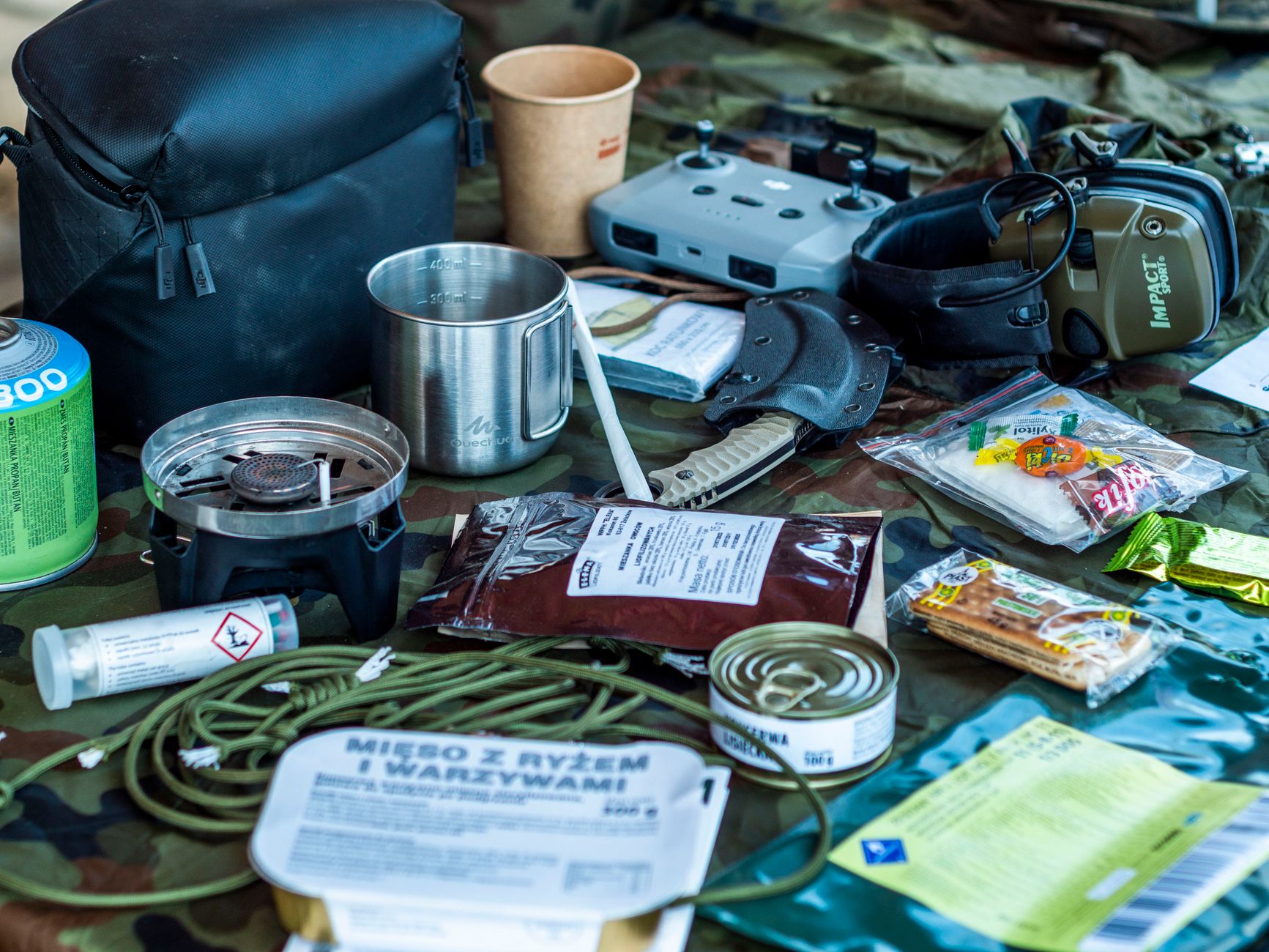
MREs, or Meals Ready-to-Eat, are designed for convenience and longevity, often serving military personnel, adventurers, and emergency preparedness enthusiasts. But do MREs expire? Understanding their shelf life, proper storage methods, and how to recognize spoilage is crucial for anyone relying on these meals for sustenance.
This article delves into the evidence behind MREs’ shelf life, details storage best practices, and discusses signs that indicate spoilage. Prepare to become well-informed about how to safely enjoy MREs without compromising your health.
Do MREs Expire?
Yes, MREs do expire, but they have an impressive shelf life when stored correctly. Most MREs have a shelf life of 12 to 24 months when unopened. However, if stored under optimal conditions, some can last much longer. It is essential to understand the factors contributing to MRE expiration and how you can maximize their longevity.
Shelf Life of MREs
The shelf life of MREs can vary based on several factors, including manufacturing date, storage temperature, and packaging integrity. Generally, the standard shelf life can be outlined as follows:
- **12 to 24 months**: Standard shelf life for MREs kept at moderate temperatures (around 70°F or 21°C).
- **24 to 36 months**: MREs stored in cooler environments (around 50°F or 10°C) may last this long.
- **5 years or more**: Under optimal conditions, some MREs can maintain their quality beyond five years.
It’s important to check the packaging for a “production date” or “best by” date. While MREs may remain safe to consume past their expiration dates, their taste and nutritional value can degrade over time.
How to Store MREs Properly
Proper storage can significantly impact the lifespan of MREs. Here are some tips for ensuring your MREs remain safe and delicious:
- **Cool and Dry Environment**: Store MREs in a cool, dry place, away from direct sunlight. Heat and humidity can reduce shelf life.
- **Airtight Sealing**: Keep MREs in their original packaging. Once opened, transfer any leftovers into airtight containers.
- **Temperature Control**: Aim to store MREs at temperatures of 70°F or lower. If you have access to a refrigerator, that can also extend shelf life.
- **Avoid Freezing**: While freezing can seem like an ideal solution for prolonging shelf life, it can damage the integrity of the packaging and the food inside.
Signs of Spoilage in MREs
It’s crucial to know the signs of spoilage to avoid consuming unsafe food. Here are several indicators that an MRE has gone bad:
1. Packaging Integrity
Inspect the packaging. If the pouch is swollen, punctured, or damaged, discard the MRE as it may indicate spoilage.
2. Off Odor
If you notice any sour or foul smell when you open an MRE, do not consume it.
3. Color and Texture Changes
Significant color changes in the food or an unusual texture can indicate spoilage or degradation. Look out for discoloration or lumps.
4. Unusual Flavor
If you taste an MRE and it has an off flavor, spit it out and do not consume further. It’s better to err on the side of caution.
Safety Considerations
While MREs are designed for long shelf life, safety should always be prioritized. Here are some safety points to keep in mind:
- **Use Before Expiration Date**: Although not necessarily harmful, MREs can lose taste and nutrition after their best-by date.
- **Proper Heating**: When using a flameless ration heater, follow the provided instructions closely to ensure proper heating; under-heating can lead to foodborne illness.
- **Disposing of Leftovers**: If you open an MRE and do not consume it all, check for spoilage before re-consuming leftovers. Discard any uneaten portions after 24 hours at room temperature.
Types of MREs and Their Longevity
MREs come in various forms and flavors; however, their longevity can differ based on ingredients. Here are general categories:
1. Freeze-Dried Meals
These meals have lower moisture content, which generally extends their shelf life. When stored properly, they can last for years beyond the manufacture date.
2. Thermostabilized Meals
These meals undergo heat processing and can typically last between 12 to 24 months. They are generally safe past the expiration date but may not taste as good.
3. Dehydrated Meals
Similar to freeze-dried meals, dehydrated meals often have longer shelf lives, sometimes exceeding five years, with proper storage.
Recipes Using MRE Components
If you’re feeling creative in the kitchen and have some MREs on hand, consider repurposing their contents. Here’s how to incorporate MRE components into simple meals:
1. MRE Chili
Combine chili MRE contents with fresh vegetables for a robust stew.
Ingredients
- 1 MRE chili pouch
- 1 cup of diced canned tomatoes
- 1 cup of diced bell peppers
- Salt and pepper to taste
Instructions
- Heat the chili using a stove or flameless heater.
- In a pot, combine diced canned tomatoes and bell peppers over medium heat.
- Once the vegetables are tender, add the heated chili.
- Season with salt and pepper. Serve hot.
2. MRE Fried Rice
Transform rice MREs and any additional vegetable pouches into a tasty fried rice dish.
Ingredients
- 1 MRE rice pouch
- 1 cup mixed frozen vegetables
- Soy sauce to taste
Instructions
- Prepare the rice according to instructions.
- In a pan, sauté frozen vegetables until tender.
- Add the rice and soy sauce, stirring well to combine.
- Heat thoroughly before serving.
Conclusion
MREs can be a practical meal solution, especially in emergency situations or for outdoor activities. Knowing their shelf life, proper storage techniques, and recognizing spoilage signs is essential to ensure safe consumption. Consider keeping an organized stock of MREs, always noting their production dates and expiration information for optimal management.
For those adventuring into the world of emergency preparedness or casual camping meals, understanding the dynamics of food shelf life is indispensable. Don’t hesitate to explore related topics like whether chia seeds go bad at this guide or learn how long cooked ground beef is good in the fridge by visiting this article for more tips on food safety and storage.