
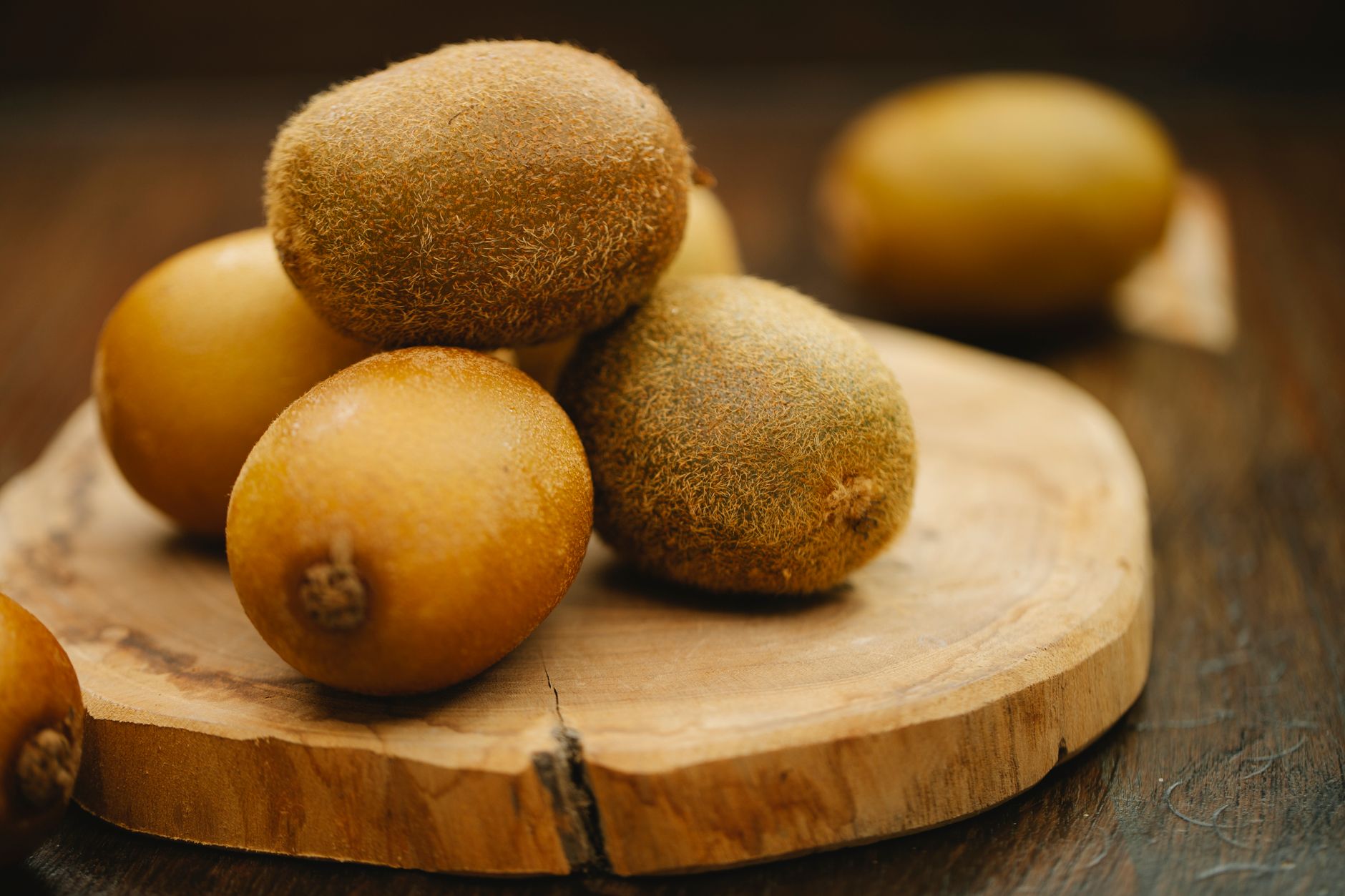
Kiwis are known for their sweet, tangy flavor and vibrant green color, making them a popular addition to fruit salads, smoothies, and desserts. But if you’ve ever bought kiwis at the store, you might have wondered: do kiwis ripen after picking? This question can influence your enjoyment and the quality of this delicious fruit.
The answer is yes, kiwis do ripen after being picked. Understanding how to handle and store them can help you enjoy their best flavor and texture. This guide will delve deep into the ripening process of kiwis, provide tips on selecting the perfect ones at the store, and share insights into their peak season and storage methods.
Do Kiwis Ripen After Picking?
Yes, kiwis indeed ripen after being picked. Unlike some fruits that immediately lose their ability to ripen once harvested, kiwis continue to mature. This post-harvest ripening enables them to develop their sweetness and juiciness. The process is primarily caused by the production of ethylene gas, which is a natural plant hormone that promotes ripening.
Understanding the Ripening Process
The ripening of kiwis involves several physiological changes triggered by ethylene. Here’s what happens during the ripening process:
- Texture Softening: As kiwis ripen, their flesh becomes softer. This change is due to the breakdown of pectin, a structural polysaccharide in plant cell walls.
- Flavor Development: The starches in the unripe kiwi convert to sugars, enhancing the fruit’s sweetness.
- Color Change: While kiwis have a green exterior even when unripe, the flesh gradually transforms from a firmer, less vibrant texture to a lusciously soft and juicy state.
- Aroma Production: Ripening kiwis also generate pleasant fruity aromas, hinting at their readiness for consumption.
How to Choose Kiwis at the Store
- Skin Texture: Look for kiwis with fuzzy skin that feels firm to the touch. Avoid any with bruises or blemishes.
- Color: The skin should be brownish-green without any signs of wrinkling or shriveling.
- Size: Medium to large kiwis often have more flesh and a better flavor than smaller ones.
- Weight: Pick up the kiwi and choose one that feels heavier for its size, indicating better juiciness.
Peak Season for Kiwis
When it comes to enjoying the best kiwis, timing matters. The peak season for kiwis varies slightly depending on the variety and region, but generally:
- New Zealand Kiwis: September to November
- California Kiwis: November to May
During these months, you may find fresher and tastier kiwis. However, dispersed year-round importation means you can usually find kiwis in grocery stores throughout the year, but checking for seasonal selections can enhance flavor and freshness.
How to Ripen Kiwis at Home
If you’ve brought home kiwis that are still firm, here’s how to ripen them effectively:
- Leave Them at Room Temperature: Place kiwis on your kitchen counter at room temperature. This allows them to ripen naturally over a few days.
- Use a Paper Bag for Faster Ripening: For quicker results, place kiwis in a paper bag with an apple or banana. These fruits release more ethylene gas, which speeds up the ripening process.
- Check Daily: Monitor kiwis by gently pressing them at the firmest area to see if they have softened. When they yield slightly to pressure, they are ripe and ready to eat.
Storing Ripe Kiwis
Once your kiwis are perfectly ripe, proper storage is key to maintaining their quality. Here’s how to store them:
- Refrigeration: Ripe kiwis should be stored in the refrigerator to prevent them from overripening. Place them in the crisper drawer, ideally in a perforated plastic bag to allow for airflow.
- Longevity: When stored this way, kiwis can last for about 5 to 7 days. If you’re not able to consume them within that timeframe, consider freezing them.
How to Freeze Kiwis
If you have an abundance of ripe kiwis, freezing allows you to enjoy them later. Here’s how to freeze kiwis properly:
- Peel the Kiwis: Start by removing the peel from the kiwis.
- Slice or Cube: Cut the fruit into slices or cubes, depending on your preference for future use.
- Flash Freeze: Arrange the kiwi pieces in a single layer on a baking sheet. Place in the freezer for about an hour until frozen solid.
- Transfer to Containers: Move the frozen pieces to an airtight container or freezer bag, removing as much air as possible before sealing.
Frozen kiwis can last for up to 10 to 12 months in the freezer without significant loss of quality. They are perfect for smoothies, baking, or even making sauces.
Using Kiwis in Recipes
With their unique flavor and texture, kiwis can elevate a variety of dishes. Here are some creative ways to incorporate kiwis into your diet:
- Fruit Salads: Combine kiwis with strawberries, blueberries, and melons for a refreshing salad.
- Smoothies: Add them to a smoothie with spinach, banana, and a splash of coconut water for a nutritional boost.
- Sauces: Puree kiwis with a bit of sugar and lime juice to create a sweet sauce for desserts.
- Salsas: Dice kiwis with tomatoes, onions, and cilantro for a fruity salsa, amazing with grilled fish or chicken.
Common Mistakes with Kiwis
When dealing with kiwis, it’s easy to make some common missteps. Here are a few pitfalls to avoid:
- Storing them Too Long: Waiting too long to eat your ripe kiwis can lead to an unpleasant mushy texture.
- Ignoring Ripeness Signs: Not checking for softness can result in unappetizing sourness if consumed too early.
- Improper Storage: Keeping kiwis at room temperature after they are ripe can spoil them quickly.
Kiwis and Nutrition
Kiwis are not only tasty but also offer various health benefits. They are low in calories, high in vitamin C, vitamin K, and fiber. Incorporating kiwis into your diet can support immune health, digestion, and overall wellness.
Conclusion and Next Steps
Kiwis are an excellent fruit choice that continues to ripen after picking, allowing you to enjoy them at their perfect sweetness. Selecting, ripening, and storing them correctly can enhance your culinary experiences. Try incorporating them into different meals and snacks to appreciate their versatility. Remember, whether making a fresh fruit salad or a tangy salsa, understanding how to handle kiwis will ensure a delightful taste every time.
For more information on ingredient storage, check out how long blueberries last and how long does cottage cheese last after opening for better meal planning in your kitchen.