
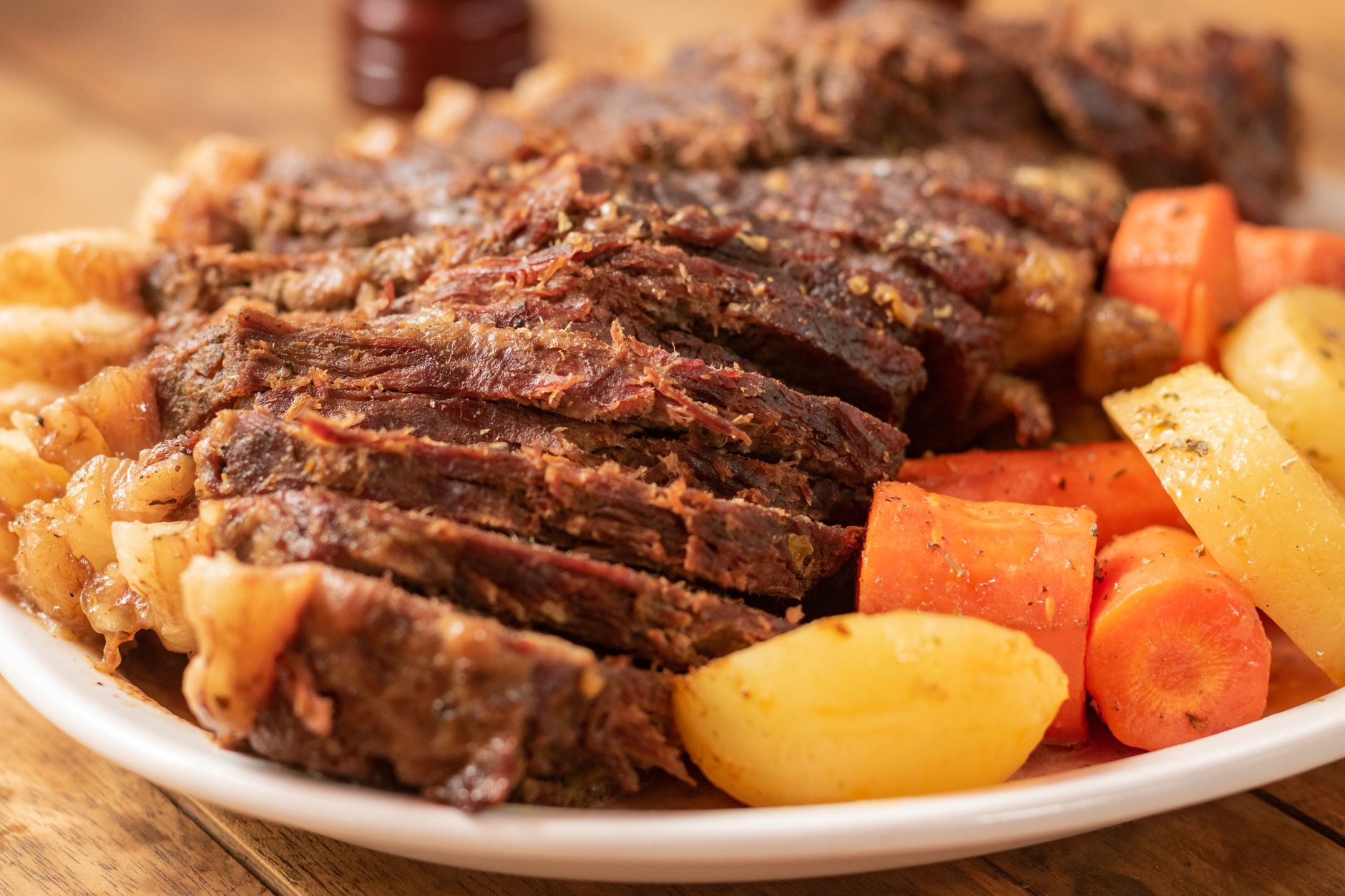
When it comes to dietary practices among Jews, the question of whether they eat beef often arises due to the influence of cultural, religious, and regional factors. Understanding the complexities of kosher laws, customs, and personal choices can help clarify this topic.
This article will delve into the significance of beef in Jewish cuisine, explore kosher dietary laws governing meat consumption, and provide insights into various ways beef can be prepared and served in Jewish tradition.
Do Jews Eat Beef?
Yes, many Jews do eat beef, but it is important to note that the consumption depends on adherence to kosher dietary laws. These laws regulate how animals are slaughtered, which parts can be eaten, and how meat is prepared and served. Understanding kosher certifications and practices is essential for those who want to navigate this culinary landscape.
Understanding Kosher Laws
Kosher is a set of dietary laws rooted in Jewish tradition. The Hebrew word ‘kasher’ means fit or proper and refers specifically to foods that conform to these laws. When it comes to beef, several key regulations must be followed.
Permitted and Prohibited Meats
According to kosher laws, not all animals are permissible. For beef to be considered kosher, it must come from a split-hoofed animal that chews cud. Common kosher beef includes cattle and veal. However, certain animals, like pigs or those that do not meet these criteria, are forbidden.
Slaughtering Process
For beef to be deemed kosher, it must be slaughtered by a trained individual known as a shochet. The shochet performs the act of shechita, which involves a swift and humane cut to the throat using a special knife. This ensures a quick death, minimizing suffering, and is a significant aspect of kosher meat. After slaughter, the meat must also undergo a process called ‘nikur,’ where specific parts that are not kosher are removed.
Meat Preparation and Processing
After slaughtering, kosher beef must be properly prepared before cooking. This includes salting the meat to remove blood—since blood is also forbidden in kosher practices—and ensuring that tools and utensils used for preparation are kosher as well. It’s crucial to keep meat and dairy products separate, as mixing these is prohibited under kosher law.
Cultural Significance of Beef in Jewish Cuisine
Beef has historically been a prominent ingredient in Jewish cooking, featured in various dishes across different cultures. The versatility of beef allows it to be prepared in many ways, making it a popular choice for festive occasions as well as everyday meals.
Beef Dishes in Jewish Tradition
Several classic Jewish dishes highlight the importance of beef in culinary traditions. These include:
- Brisket: A favorite for Jewish holidays, especially during Passover, brisket is seasoned, slow-cooked, and often served as a centerpiece dish.
- Beef Cholent: A traditional stew eaten on Shabbat, cholent contains beef, beans, and potatoes, slow-cooked overnight for a hearty meal.
- Beef Knishes: Pastry filled with seasoned ground beef, knishes are popular snacks or side dishes in many Jewish households.
- Shabbat Roast: A roast beef dish often served for the Friday night Shabbat meal, symbolizing celebration and familial gathering.
How to Cook Beef Kosherly
Cooking kosher beef requires careful attention to the aforementioned kosher laws and principles. Basic skills in meat preparation and a good understanding of flavor pairings can enhance overall dishes. Below are practical guidelines for cooking kosher beef effectively and deliciously.
Choosing the Right Cuts
Choosing the right cut of beef is essential for desired flavor and tenderness. Some popular kosher cuts include:
- Brisket: Ideal for braising and slow-cooking, brisket becomes tender and flavorful when cooked properly.
- Chuck Roast: A more economical choice, this cut is perfect for pot roasts and yields delicious results when fully cooked.
- Flank Steak: This cut is excellent for grilling or stir-frying, as it absorbs marinades well and is flavorful.
- Ribeye: Known for its marbling and rich taste, ribeye is excellent for grilling and pan-searing.
Basic Cooking Techniques
To cook kosher beef, you can use various techniques. Here are a few popular methods:
1. Braising
- Begin by seasoning the beef cut, then sear it in hot oil until browned.
- Add aromatics such as onions, garlic, and herbs, and then deglaze the pan with broth or wine.
- Cover and simmer on low heat for several hours until tender.
2. Roasting
- Preheat the oven to 350°F (175°C).
- Season the beef roast generously with salt, pepper, and herbs.
- Place in a roasting pan and cook until it reaches your desired doneness.
3. Grilling
- Preheat the grill to medium-high heat.
- Marinate or season the beef and let it rest at room temperature before grilling.
- Cook each side for approximately 4 to 6 minutes until the desired doneness is reached.
Serving Ideas for Kosher Beef
Once cooked, serving kosher beef can be an enjoyable part of meal preparation. Here are some suggestions on how to serve beef dishes, particularly during Jewish holidays or gatherings.
1. Accompaniments
- Serve brisket with sides like roasted root vegetables and potato kugel to create a hearty meal.
- Enhance cholent by offering fresh challah bread and pickles on the side.
- Present grilled flank steak with a refreshing salad or traditional Israeli couscous for a complete dish.
2. Garnishes
Adding fresh herbs is a great way to elevate the flavors of your beef dishes. Consider using:
- Chopped parsley for a pop of color and freshness.
- Fresh dill, particularly with beef dishes that include mustard or creamy sauces.
- Scallions to add a mild onion flavor when serving beef stir-fries or grilled steaks.
3. Pairing with Beverages
When serving kosher beef, selecting the right beverage can enhance the dining experience. Here are some suggestions:
- Full-bodied red wine pairs well with beef dishes, especially with robust flavors like brisket.
- For non-alcoholic options, sparkling grape juice or fruit-infused water adds a refreshing touch to meals.
Common Mistakes and Troubleshooting When Cooking Kosher Beef
Even skilled cooks can encounter challenges when preparing kosher beef. Here are some common mistakes and how to address them:
1. Overcooking
Overcooked beef can become tough and dry. Use a meat thermometer to accurately assess doneness. For braising, check for fork-tender texture.
2. Lack of Seasoning
Under-seasoned beef can taste bland. Don’t be afraid to use salt, herbs, and spices, as they can elevate the flavor profile significantly.
3. Ignoring Resting Time
Allow beef to rest after cooking to let juices redistribute. This results in a more flavorful and moist meat. A resting time of at least 10 minutes is recommended.
Storage and Reheating of Cooked Kosher Beef
Proper storage is essential to maintain the quality and safety of kosher beef dishes. Here are best practices:
1. Cooling and Storing
After cooking, cool beef dishes to room temperature before refrigerating. Store in airtight containers to prevent contamination and retain moisture, with a recommended shelf life of 3–4 days in the fridge.
2. Reheating
When reheating, use an oven or stovetop to gently warm the beef. Aim for an internal temperature of 165°F (74°C) to ensure food safety. Avoid microwaving, as this can dry out the meat.
Practical Tips for Meal Planning with Kosher Beef
Incorporating kosher beef into meal planning can be efficient and satisfying. Here are some strategies to help streamline the process:
1. Batch Cooking
Prepare larger quantities of beef dishes, such as cholent or brisket, to enhance convenience throughout the week. Portion and freeze for quick meals later on.
2. Ingredient Overlap
Choose sides that can complement beef dishes while utilizing similar ingredients. For example, roasted vegetables can serve as sides for both brisket and grilled steak.
3. Check Kosher Labels
When shopping, ensure that beef is certified kosher. Look for reliable kosher symbols on packaging, ensuring they meet dietary guidelines.
Exploring Kosher Beef Options in Restaurants
For those who may prefer dining out, many restaurants serve kosher dishes that include beef. Here are a few tips for finding and choosing dining options:
1. Research Local Kosher Restaurants
Investigate local establishments that specialize in kosher cuisine, providing menus inclusive of various beef dishes.
2. Familiarize Yourself with Cuisines
Different cultures within the Jewish community offer a variety of beef dishes. From Eastern European flavors to Middle Eastern spices, there are many culinary styles to explore.
3. Ask About Preparation
Never hesitate to ask restaurant staff about their kosher certification and meal preparation to ensure adherence to dietary laws.
In summary, kosher beef plays a significant role in Jewish culinary traditions, shaped by religious practices and delightful flavors. Understanding the laws governing beef consumption, along with effective cooking and serving methods, can enrich your dining experiences. As you explore this fascinating subject, consider trying some of the classic dishes discussed or experimenting with new recipes that highlight the versatility and depth of kosher beef cuisine.
To further enrich your culinary knowledge, feel free to explore related recipes, cooking tips, or food guides, such as learning about whether to refrigerate Cholula or diving into a delicious cholent recipe.