
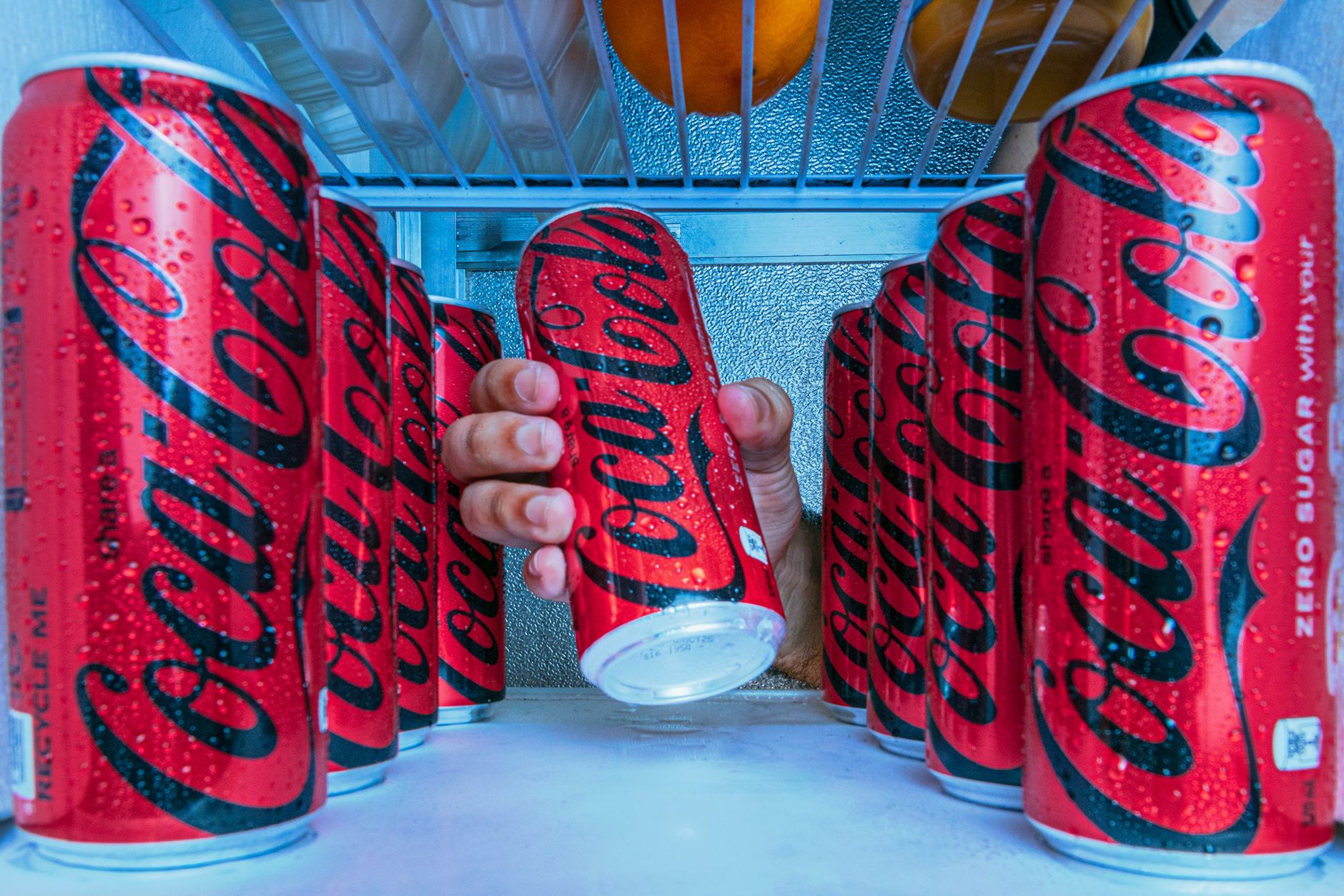
Coke Zero is a popular choice among those who enjoy the classic taste of Coca-Cola without the added sugar and calories. Understanding what sweetens Coke Zero can enhance your appreciation of this beverage and inform your choices regarding low-calorie drinks. This article will delve into the ingredients that provide Coke Zero with its sweetness, as well as their uses, flavor profiles, and potential health considerations.
By exploring the components that sweeten Coke Zero, you will also learn about the implications of artificial sweeteners and alternatives for cooking or personal diet preferences. From stable sugar substitutes to flavor-enhancing ingredients, this guide offers a comprehensive look at what goes into your can of Coke Zero.
What Sweetens Coke Zero?
Coke Zero is primarily sweetened with a combination of aspartame and acesulfame potassium. These artificial sweeteners provide the drink’s distinctive sweetness without the calories associated with traditional sugar. Each ingredient plays a different role in achieving the flavor profile that Coca-Cola aims for with its low-calorie offerings.
Understanding the Sweeteners in Coke Zero
Aspartame
Aspartame is one of the most widely used artificial sweeteners in the world. It is roughly 200 times sweeter than sucrose (table sugar), which means only a small amount is needed to achieve the desired sweetness. Aspartame is composed of two amino acids: phenylalanine and aspartic acid. While generally recognized as safe by regulatory agencies, some individuals, particularly those with phenylketonuria (PKU), must avoid it due to health concerns.
Acesulfame Potassium
Acesulfame potassium, often referred to as Ace-K, is another artificial sweetener that is approximately 200 times sweeter than sugar. It is often used in combination with other sweeteners to enhance sweetness and offset any aftertaste. Acesulfame potassium is heat-stable, making it suitable for use in baked goods and other processed foods. It is considered safe by food safety authorities when consumed within established guidelines.
Flavor Profile of Coke Zero
The combination of aspartame and acesulfame potassium creates a unique flavor profile for Coke Zero. The sweetness level is carefully balanced to mimic the taste of regular Coca-Cola while significantly reducing calorie count.
Beyond sweetness, Coke Zero includes a blend of flavors that contribute to its distinct cola taste. The proprietary flavoring also includes caramel color, phosphoric acid, caffeine, citric acid, and natural flavors, all of which combine to create the classic Coke experience without the sugar.
Health Considerations of Artificial Sweeteners
When it comes to artificial sweeteners like aspartame and acesulfame potassium, opinions and research vary. While the majority of studies suggest that these sweeteners are safe for most people, some controversies surround their long-term consumption.
Concerns include:
- Potential links to metabolic disorders or weight gain.
- Possible side effects like headaches or gastrointestinal discomfort in sensitive individuals.
- Ongoing debates about their impact on gut microbiota.
If you are monitoring your sweetener consumption, consider the FDA’s acceptable daily intake (ADI) for aspartame, which is set at 50 milligrams per kilogram of body weight. For acesulfame potassium, the ADI is 15 milligrams per kilogram. It’s important to balance your diet and hydrate properly while making informed choices about sweeteners.
Uses of Coke Zero in Cooking and Baking
Coke Zero’s unique flavor makes it a versatile ingredient in cooking and baking. While it might seem unusual to use a soft drink in recipes, Coke Zero can add sweetness and depth to a variety of dishes.
Marinades and Glazes
Coke Zero can be used as a base for marinades or glazes, particularly for meats. Its sweetness and acidity help to tenderize proteins and enhance the flavor profile of grilled or roasted dishes.
- Combine Coke Zero with soy sauce, garlic, and ginger for a flavorful marinade.
- Use it as a glaze for ribs or chicken by mixing with spices and allowing it to reduce over heat.
Recipes Utilizing Coke Zero
Here are a few ideas for incorporating Coke Zero into your culinary repertoire:
Coke Zero BBQ Chicken
- In a medium saucepan, combine 1 cup of Coke Zero, 1/2 cup of ketchup, 1/4 cup of apple cider vinegar, 1 tablespoon of Worcestershire sauce, and your choice of spices (like chili powder, garlic powder, and black pepper).
- Simmer the mixture over medium heat for about 15-20 minutes until thickened.
- Marinate chicken in the sauce for at least an hour before grilling or roasting.
Coke Zero Chocolate Cake
- In a large bowl, mix 1 3/4 cups of all-purpose flour, 1 cup of cocoa powder, 2 cups of sugar (or sweetener of choice), 1 teaspoon of baking soda, and 1 teaspoon of salt.
- In another bowl, combine 1 cup of Coke Zero, 1/2 cup of vegetable oil, and 1 teaspoon of vanilla extract.
- Mix the wet ingredients into the dry ingredients until just combined; avoid over-mixing.
- Pour into a greased cake pan and bake at 350°F (175°C) for 30-35 minutes or until a toothpick comes out clean.
Flavor Enhancements and Substitutions
If you’re exploring alternatives to Coke Zero or are looking to modify recipes that traditionally use it, several options are available that provide similar sweetness and flavor profiles:
Natural Sweetener Alternatives
- Stevia: This natural sweetener is derived from the leaves of the Stevia plant and can be used in similar quantities to aspartame. Keep in mind it can have a distinct aftertaste, which some people find off-putting.
- Erythritol: A sugar alcohol that provides sweetness with few calories and no glycemic impact. It can easily replace sugar in baked goods.
- Sucralose: Another artificial sweetener that is heat-stable and can substitute for sugar in most recipes.
Flavor Considerations
Choosing a suitable substitute depends on personal taste and the intended use. For example, stevia works well in beverages but may not provide the same flavor in baked goods due to its intense sweetness. It’s best to experiment in small batches to find the right combination for your dishes.
Common Mistakes While Using Artificial Sweeteners
When incorporating artificial sweeteners or Coke Zero into your cooking and baking, there are a few points to remember:
- Overusing sweeteners can lead to overly sweet dishes. Start small and adjust to taste.
- Some artificial sweeteners don’t caramelize or brown like sugar, which may impact texture and flavor in baked goods.
- Mixing different sweeteners may result in odd taste combinations. Take a cautious approach when blending flavors.
Storing and Using Coke Zero
Coke Zero should be stored in a cool, dry place away from direct sunlight. Once opened, it’s best consumed within a few days to maintain its carbonation and flavor. If you want to use Coke Zero in a recipe, consider using fresh soda for optimal flavor.
Conclusion
Understanding what sweetens Coke Zero enhances your knowledge about this popular beverage and opens up a myriad of culinary possibilities. With its blend of aspartame and acesulfame potassium, Coke Zero offers a sweet taste without the calories, making it a favored option for many individuals.
Feel free to experiment with Coke Zero in marinades, baking, and creative culinary applications while staying informed about the sweeteners and their effects. Your kitchen can be a space for innovation, with an added fizzy twist from this iconic soda.
Explore related recipes, cooking tips, or food guides to enhance your culinary repertoire. Discover what makes molasses unique, or delve into the world of glucose syrup to expand your baking and cooking horizons with content like what is molasses made from and what is glucose syrup.