
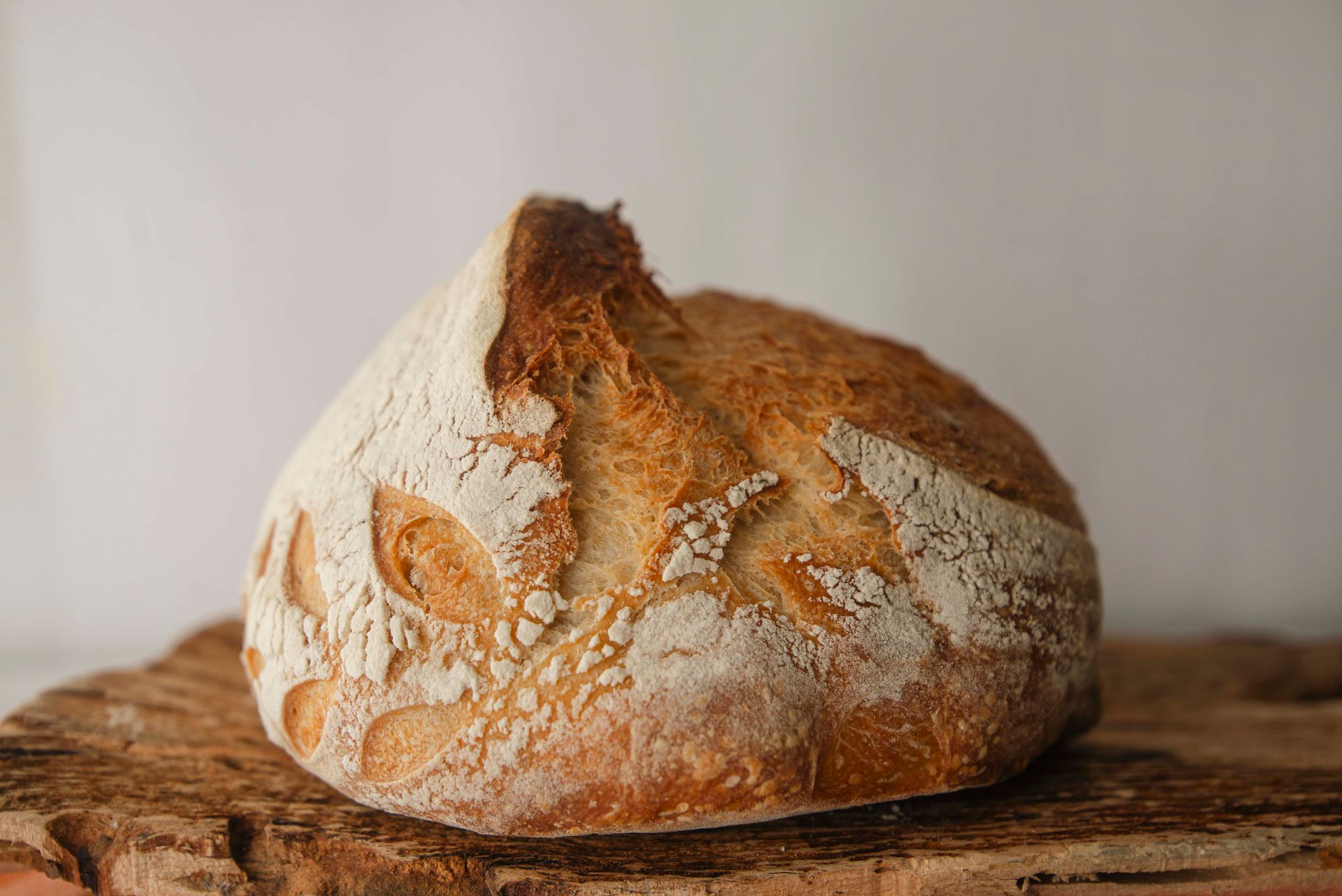
Sourdough starter is the heart of many homemade breads and baked goods, but maintaining it can sometimes feel overwhelming. One common question bakers have is whether they must discard some of their starter each time they feed it. This article will explore the necessity of discarding your sourdough starter, along with tips on how to handle it effectively and creatively.
The practice of discarding sourdough starter often seems wasteful, especially for those eager to minimize food waste. Understanding the science and reasons behind this step will help bakers make an informed decision about managing their starters without unnecessary waste.
Do I Have to Discard My Sourdough Starter?
In short, while it is not absolutely necessary to discard some of your sourdough starter, doing so is highly recommended to maintain the health of the starter and improve the quality of your final baked goods. Regular discarding helps in maintaining the ideal balance of flour, water, and microbial activity.
Understanding Sourdough Starter
Sourdough starter is a mixture of flour and water that captures wild yeast and bacteria from the environment. Over time, this culture ferments and develops a unique flavor profile and leavening power. The two primary microorganisms involved in this process are:
- Wild yeast: Gives the bread its rise and some flavor.
- Lactic acid bacteria: Contributes to the sour flavor and helps with texture.
Both the yeast and the bacteria thrive on the nutrients provided by the flour, but they also produce byproducts during fermentation, which can lead to an imbalanced mixture if not managed correctly.
Why Is Discarding Recommended?
Here are some reasons why discarding sourdough starter is often recommended:
1. Maintain Balance
As your starter ferments, the yeast and bacteria multiply, consuming the available nutrients in the flour. If you keep adding flour and water without removing some of the starter, the mixture can become overly acidic. This high acidity can affect the health of the starter and the flavor profile of your baked goods.
2. Improve Fermentation
A smaller quantity of starter ferments faster. When you discard a portion of your starter, you reduce the overall volume, allowing the microorganisms to have a more concentrated environment where they can thrive and ferment more effectively.
3. Prevent Overgrowth
Too much starter can lead to over-friendly bacteria and yeast, which can create unpleasant flavors in your bread. Discarding helps keep the competition between these microorganisms balanced for optimal fermentation.
4. Manage Acidity
Regular discarding helps manage the acidity levels in your starter, resulting in a more pleasant sour flavor. A balance of acidity is essential for achieving the desired bread characteristics.
Alternatives to Discarding
If discarding seems wasteful to you, there are several alternatives that allow you to utilize your discarded starter:
1. Baking with Discard
There are plenty of recipes that use sourdough starter discard. You can use it in pancakes, waffles, muffins, pizza dough, or even cookies. These alternatives utilize the potential of the starter without wasting any of it.
2. Sharing with Friends
Another way to avoid waste is by offering your excess starter to friends or neighbors who might want to get into sourdough baking. This way, you can share your baking passion and help others start their own sourdough journey.
3. Fertilizing Plants
Your discarded sourdough starter can be beneficial for your garden. It contains organic matter that can help enrich your soil when composted. Make sure to check for any additives in your starter that could harm plants.
How to Properly Discard and Maintain Your Sourdough Starter
Here’s a practical guide on how to properly maintain your sourdough starter while minimizing waste:
1. Feeding Schedule
Most bakers recommend feeding a sourdough starter at least once a week if kept in the refrigerator and every day if kept at room temperature.
2. Discarding the Appropriate Amount
When feeding your starter, it’s common to discard about half of it. Here’s a simple feeding process:
- Using a scale, measure out your starter. If you have 200 grams of starter, discard 100 grams.
- Add equal parts of water and flour to the remaining starter (e.g., if you kept 100 grams, add 100 grams of water and 100 grams of flour).
- Mix thoroughly and let it sit in a warm place to ferment.
3. Using the Discard
Make sure to save the discarded starter for use in various recipes or incorporate it into meals throughout the week. The larger the amount of discard you have, the more recipes you can make.
Signs Your Starter Needs Attention
Regularly monitoring the health of your sourdough starter is key. Here are some signs that it might need your attention:
1. Sour Smell
A very sour smell is normal to some extent, but if the scent becomes overly pungent or off-putting, it may indicate an imbalance.
2. Separation of Liquid
If you notice a layer of gray or brown liquid on top of your starter, this is called “hooch.” It’s a sign that the starter is hungry and needs to be fed. You can either stir this back in or pour it off before feeding.
3. Poor Rising Power
If your starter isn’t rising or bubbling as expected after feeding, it may be out of balance and require more regular feedings or adjustments in your feeding ratios.
Frequently Asked Questions about Sourdough Discard
1. Can I skip discarding altogether?
While you can skip discarding for a while, it’s advisable to adopt a regular discarding practice to ensure your starter remains healthy and effective for baking.
2. How can I tell if my starter is healthy enough to use?
A healthy starter should have bubbles and should have grown in size after feeding. It may have a pleasant tangy smell but should not have any off odors.
Conclusion
Discarding sourdough starter is a recommended practice to maintain its health and improve your baking results. However, being creative with how you utilize or share the discard can turn what feels like a waste into a valuable resource. By understanding the science behind sourdough and staying attuned to your starter’s needs, you can keep it thriving for baking delicious breads and more.
For more ways to use your sourdough starter, explore our sourdough cookie recipe or learn how to make sourdough stuffing for the holidays. Discover how to make the most out of your baking adventures!