
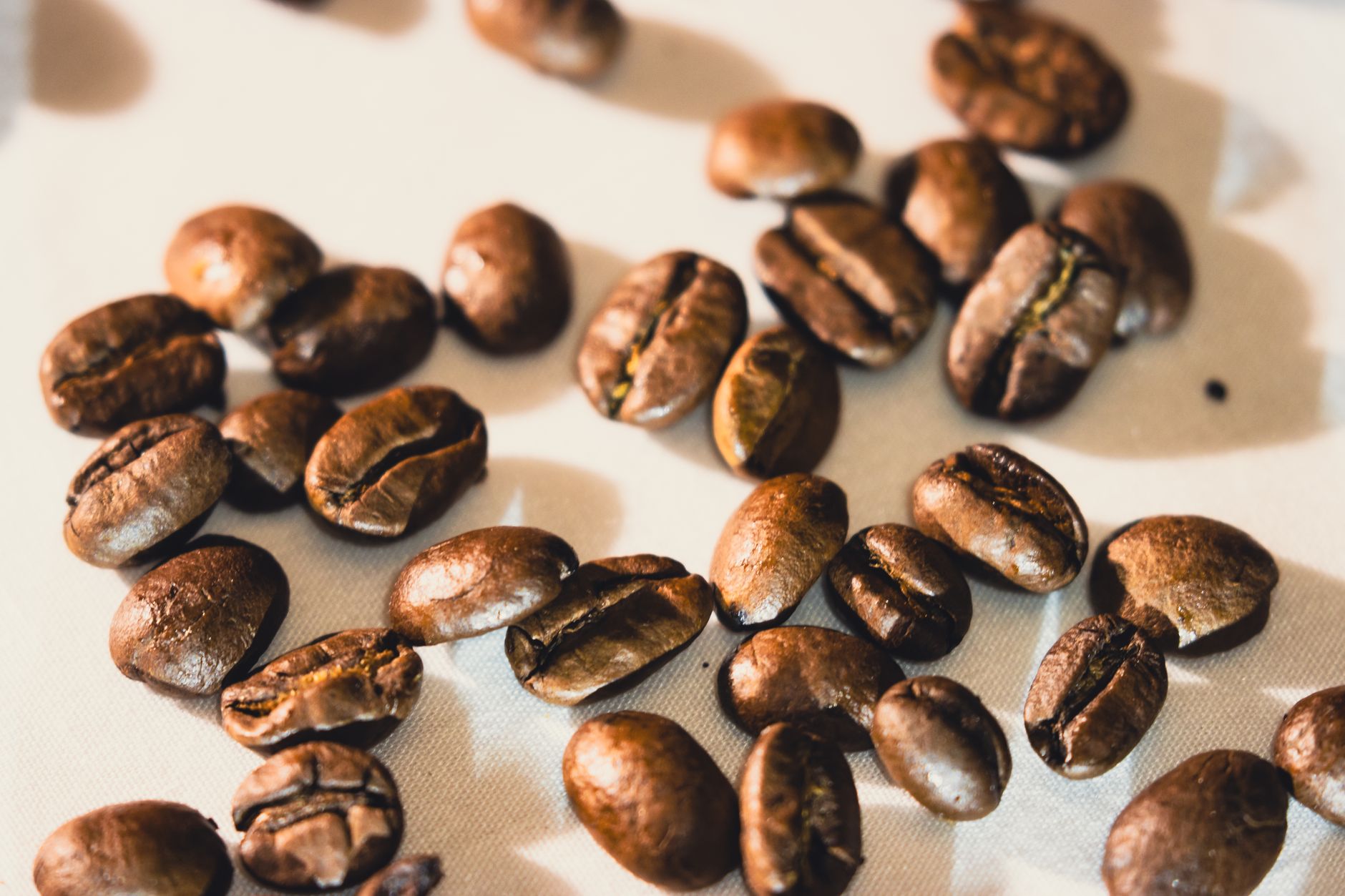
Espresso has long been celebrated for its rich flavor and invigorating kick. But a common question arises among coffee enthusiasts: do espresso beans really have more caffeine than regular coffee beans? To answer this, we must explore the relationship between espresso, various coffee beans, and how preparation methods affect caffeine content.
This guide will dissect the nuances of espresso beans, from their origin to brewing methods, ultimately demystifying caffeine levels for better coffee choices. Let’s dive into the world of espresso to answer the burning question: do espresso beans have more caffeine?
Do Espresso Beans Have More Caffeine?
Espresso beans do not inherently contain more caffeine than other coffee beans; instead, the caffeine content is influenced by the brewing method and serving size. Typically, a standard shot of espresso (about 1 ounce) contains roughly 63 milligrams of caffeine, while an 8-ounce cup of brewed coffee can have anywhere from 95 to 200 milligrams. While espresso is more concentrated, serving size is key to understanding caffeine levels.
Understanding Espresso and Coffee Beans
To further clarify the caffeine content in espresso versus regular coffee, let’s first look at the types of beans used and their caffeine composition. There are primarily two types of coffee beans used in espresso: Arabica and Robusta.
Arabica vs. Robusta Beans
Arabica beans are known for their smooth flavor and lower caffeine content, making up about 60-70% of the world’s coffee. In contrast, Robusta beans have a stronger, more bitter flavor and contain nearly double the caffeine of Arabica beans. This difference in caffeine composition allows for various espresso blends, particularly ones that aim for a bolder caffeine punch.
Brewing Methods and Their Impact on Caffeine Content
The brewing method greatly impacts caffeine levels in your cup. Espresso is brewed under high pressure, which extracts concentrated flavors and caffeine more efficiently than traditional brewing methods. Let’s explore the methods and how they compare in caffeine extraction.
Espresso Brewing
Espresso is made by forcing hot water through finely ground coffee at high pressure, usually around 9 bars. This brewing time is short, typically 25-30 seconds per shot. The result is a strong, concentrated shot of coffee with a thicker consistency and crema on top.
Drip Coffee Brewing
Drip coffee, the most common method, uses gravity to pull hot water through coarsely ground coffee, usually over a span of 4-6 minutes. This method creates a milder drink, as the contact time allows for more caffeine extraction overall when measured in larger volumes.
French Press
The French press method involves steeping coarsely ground coffee in hot water for 4-5 minutes before pressing down the plunger. This extended contact time results in enhanced flavor extraction and higher caffeine levels compared to espresso when measured in larger volumes.
Caffeine Content Comparison
Now that we understand the brewing methods and coffee bean types, let’s compare the average caffeine content across different coffee beverages:
| Beverage | Serving Size | Caffeine Content (Approx.) |
|---|---|---|
| Espresso | 1 ounce | 63 mg |
| Drip Coffee | 8 ounces | 95-200 mg |
| French Press | 8 ounces | 80-120 mg |
| Caffè Americano | 8 ounces | 95-150 mg |
As shown in the table, although a shot of espresso has a lower caffeine content per volume, it is denser and stronger. In contrast, brewed methods like drip coffee present higher total caffeine but in larger serving sizes.
Practical Considerations for Caffeine Consumption
When considering your caffeine intake and espresso consumption, it’s essential to evaluate your individual tolerance and preferences. Consuming a single shot of espresso might evoke a quick energy boost, while larger servings may provide a more gradual increase in caffeine.
Caffeine Sensitivity
Individuals have varying levels of caffeine sensitivity which can affect how much they should consume. While some enjoy multiple shots of espresso without a hitch, others may feel jittery after just one. Always observe how your body responds to different caffeine levels.
Espresso in Different Cafe Drinks
Espresso serves as the base for numerous popular coffee beverages, many of which alter caffeine content due to additional ingredients and serving sizes:
- Cappuccino: One shot of espresso combined with equal parts steamed milk and froth. Total caffeine similar to a shot of espresso.
- Latte: One shot of espresso mixed with steamed milk and topped with a small amount of foam. Total caffeine also similar to a shot of espresso.
- Mocha: Espresso and steamed milk flavored with chocolate syrup, typically maintaining the caffeine of a single shot.
- Flat White: Similar to a latte, usually made with two shots of espresso, effectively doubling the caffeine content.
How to Make the Perfect Espresso
Understanding how to prepare espresso correctly can enhance your overall coffee experience. Let’s go over the steps and equipment necessary to make a lovely shot of espresso at home.
Essential Equipment
- Espresso machine
- Coffee grinder (burr grinder recommended)
- Tamper
- Scale for measuring
- Coffee beans (espresso roast)
Steps to Brew the Perfect Espresso
- Measure the Beans: Measure approximately 18-20 grams of coffee beans for a double shot of espresso.
- Grind the Coffee: Grind the beans to a fine consistency, similar to table salt.
- Tamp the Grounds: Place the ground coffee into the portafilter and press down firmly and evenly using the tamper to create a smooth, flat surface.
- Preheat the Machine: Ensure your espresso machine is preheated and filled with water.
- Brew: Attach the portafilter to the machine and start the brewing process. Aim for a brew time of around 25-30 seconds.
- Serve: Pour your espresso into a pre-warmed cup and enjoy it immediately for the best flavor.
Common Espresso Mistakes to Avoid
When making espresso, there are several pitfalls to watch out for:
- Using the Wrong Grind Size: Too coarse will result in weak espresso, while too fine can lead to over-extraction and bitterness.
- Inconsistent Tamping: Uneven tamping can cause channeling, leading to uneven extraction.
- Incorrect Water Temperature: Ideal temperature for brewing is between 190°F to 205°F. Too hot or cool can affect flavor.
- Using Stale Beans: Fresh coffee beans should be used for the best flavor. Use beans within a month of roasting.
Flavor Profiles of Espresso
Espresso has unique flavor characteristics influenced by the coffee bean type, roast level, and preparation method. Common flavor notes in espresso include:
- Fruity: Often found in specialty Arabica blends.
- Nutty: Mild, smooth characteristics from lighter roasts.
- Chocolatey: Common in medium to dark roasts.
- Spicy: Captured uniquely from specific regions and roasting styles.
Exploring Alternatives to Espresso
If you’re curious about alternatives to espresso that have unique flavor profiles but offer similar brewing experiences, consider:
- Turkish Coffee: Finely ground coffee simmered with water and sugar in a special pot known as a cezve. The texture is thicker and concentrated, similar to espresso.
- Moka Pot Coffee: Created by percolating boiling water through coffee grounds, resulting in a robust coffee with some espresso-like qualities.
- Cold Brew: Made by steeping coarsely ground beans in cold water for an extended period, producing smoother coffee that’s often less acidic.
Storage Tips for Espresso Beans
For optimal flavor and freshness, proper storage of your espresso beans is crucial. Use the following methods to keep them fresh:
- Store beans in an airtight container, away from light and moisture.
- Avoid refrigerator storage, as it can introduce moisture.
- Use beans within two weeks for the best flavor experience post-roasting.
Conclusion
Understanding the caffeine content in espresso beans compared to other coffee types can enhance your coffee experience and help you make informed choices about your caffeine consumption. While espresso is denser, the actual content per dose is only one piece of the puzzle; total caffeine depends on serving size as well.
The next time you’re enjoying an espresso shot or considering a coffee beverage, recall these insights to select a drink that suits your caffeine preferences. Explore further by checking out a refreshing espresso tonic recipe or boost your morning with this healthy protein coffee recipe.