
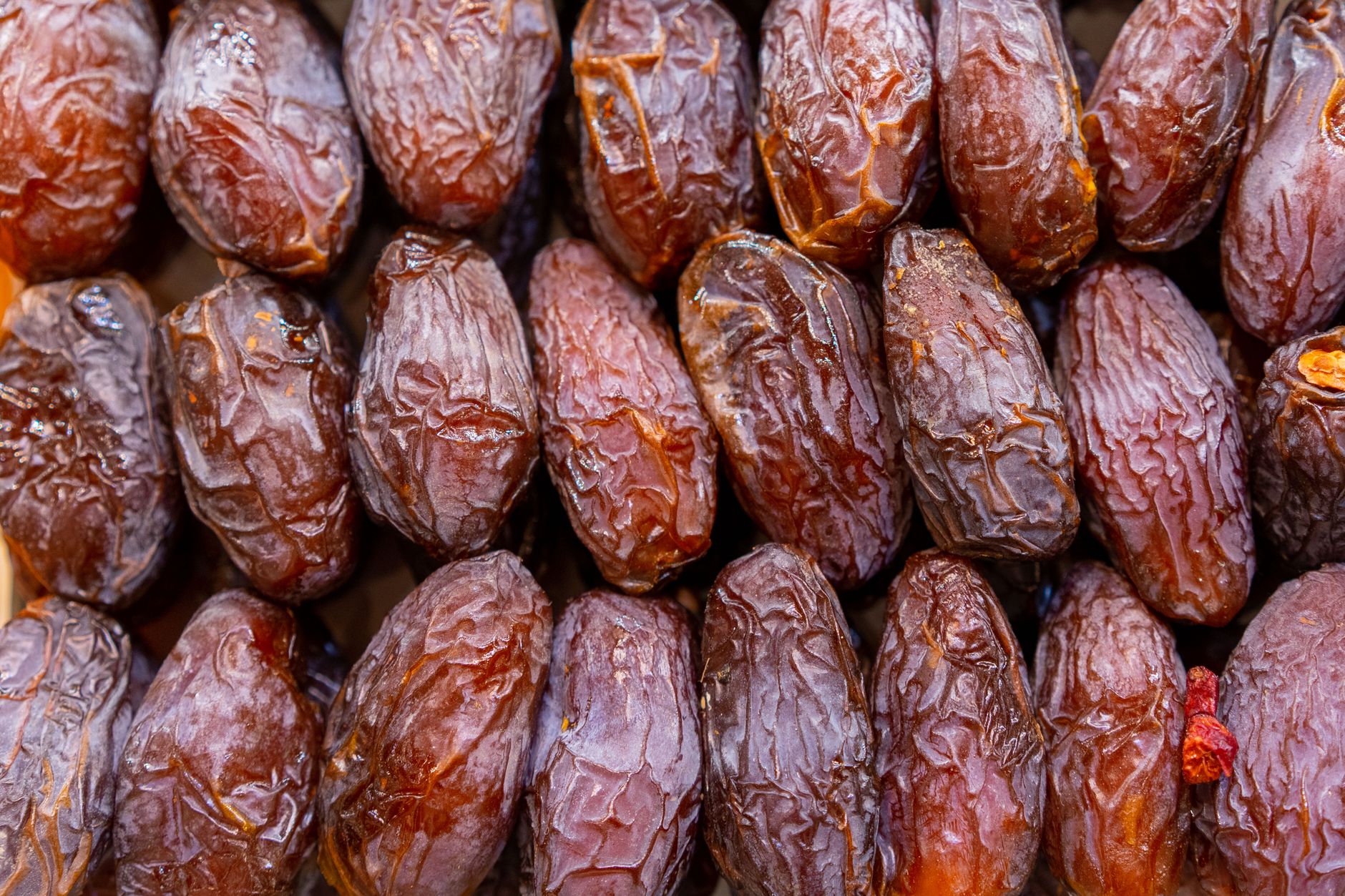
Dates are a popular natural sweetener used in various dishes around the world. While they’re often praised for their health benefits, many people wonder, do dates have a lot of sugar? This article will explore the sugar content of dates, their culinary uses, and alternative options for incorporating this fruit into your diet.
Not only will we break down the nutritional profile of dates, but we will also provide tips on how to incorporate them into your meals and snacks. From sweetening smoothies to being the star ingredient in delicious desserts, let’s dive into everything you need to know about dates and sugar.
Do Dates Have A Lot Of Sugar?
Yes, dates do contain a significant amount of natural sugar. On average, a single Medjool date has about 16 grams of sugar, which is predominantly in the form of fructose and glucose. However, despite their high sugar content, dates also provide beneficial nutrients and fiber.
Nutritional Overview of Dates
In addition to being high in sugar, dates are nutrient-dense fruits. Here are some key nutritional aspects:
- Calories: Approximately 66 calories per Medjool date.
- Carbohydrates: About 18 grams, of which 16 grams are sugars.
- Fiber: Roughly 1.6 grams, which aids digestion.
- Vitamins: Rich in B vitamins such as B6 and riboflavin.
- Minerals: Good source of potassium, magnesium, copper, and manganese.
The high sugar content in dates is balanced by their fiber, which slows down the absorption of sugar in the bloodstream, making them a healthier choice than refined sugars. Moreover, their rich vitamin and mineral content contributes to overall health.
Types of Dates
There are numerous varieties of dates, each with unique flavors and textures. Here are a few popular ones:
- Medjool Dates: Known for their large size, soft texture, and natural sweetness.
- Deglet Noor: Semi-dry and less sweet than Medjool, often used in baking.
- Barhi: Soft and sweet with a caramel-like flavor, typically enjoyed fresh.
Culinary Uses for Dates
Due to their natural sweetness and chewy texture, dates can be used in a myriad of culinary applications. Here are some ideas on how to incorporate dates into your meals:
1. Smoothies and Shakes
Dates are a fantastic way to sweeten your smoothies naturally. They not only add sweetness but also texture. Simply pit and chop dates before blending them with your choice of fruits, greens, and a liquid base like coconut water or almond milk.
2. Energy Bites and Bars
Dates can serve as a wholesome base for energy bites. Blend dates with nuts, oats, and a pinch of salt to form a sticky mixture, roll into balls, and refrigerate for a perfect on-the-go snack.
3. Desserts
Incorporate dates into your favorite dessert recipes. They work well in cakes, cookies, and puddings. For instance, replacing sugar with date puree can give baked goods a delightful depth of flavor.
4. Salads
Add chopped dates to salads for a pop of sweetness. They pair exceptionally well with bitter greens, nuts, and tangy dressings. A simple arugula salad topped with sliced dates, goat cheese, and walnuts can make for a wholesome meal.
5. Stuffed Dates
Stuffing dates is a classic appetizer. Fill Medjool dates with cream cheese, goat cheese, or almond butter, and sprinkle with nuts or seeds for crunch. They make an elegant yet simple dish for gatherings.
Alternatives to Sugar from Dates
If you’re looking for alternatives to using dates but still want to achieve a similar sweetness, consider the following options:
- Maple Syrup: A natural sweetener that offers a distinct flavor, suitable for baking or drizzling.
- Honey: While still a sugar source, it contains some antioxidants and can be a good substitute.
- Agave Nectar: A vegan alternative that is sweeter than sugar, requiring less for the same level of sweetness.
- Stevia: A no-calorie sweetener derived from the stevia plant, ideal for low-sugar diets.
Common Mistakes When Using Dates
Cooking with dates can be a delightful experience, but be aware of these common pitfalls:
1. Using Whole Dates without Pitting
Always ensure dates are pitted before using them in recipes. It’s easy to overlook this step, but biting into a pit can ruin the enjoyment of any dish.
2. Overusing Dates in Recipes
Because dates are naturally sweet, avoid overloading a dish with them unless you are experimenting with flavors. Start with a small amount, and adjust to your taste.
3. Incorrect Storage
Dates can dry out if not properly stored. Keep them in an airtight container at room temperature or in the refrigerator to maintain their moisture and flavor.
Storage Tips for Dates
To extend the shelf life of dates, consider these storage methods:
Room Temperature
If you consume dates regularly, storing them at room temperature in an airtight container works well. They should last for several months unless the humidity is high.
Refrigeration
For longer storage, refrigerate your dates. Keeping them in the fridge can prolong their freshness for up to a year.
Freezing
For extended storage, dates can be frozen. Lay them on a parchment-lined baking sheet until firm, then transfer to a freezer-safe container. They can be easily thawed by leaving them at room temperature.
Conclusion
In summary, dates are indeed high in sugar but offer numerous health benefits when consumed in moderation. They serve multiple culinary purposes, acting as natural sweeteners and nutritious snacks. By understanding their sugar content and various uses, you can incorporate dates effectively into your diet.
For a delicious addition to your cooking, try making date syrup or explore a tasty date cake recipe. Discover new ways to enjoy the sweetness of dates in your culinary creations!