
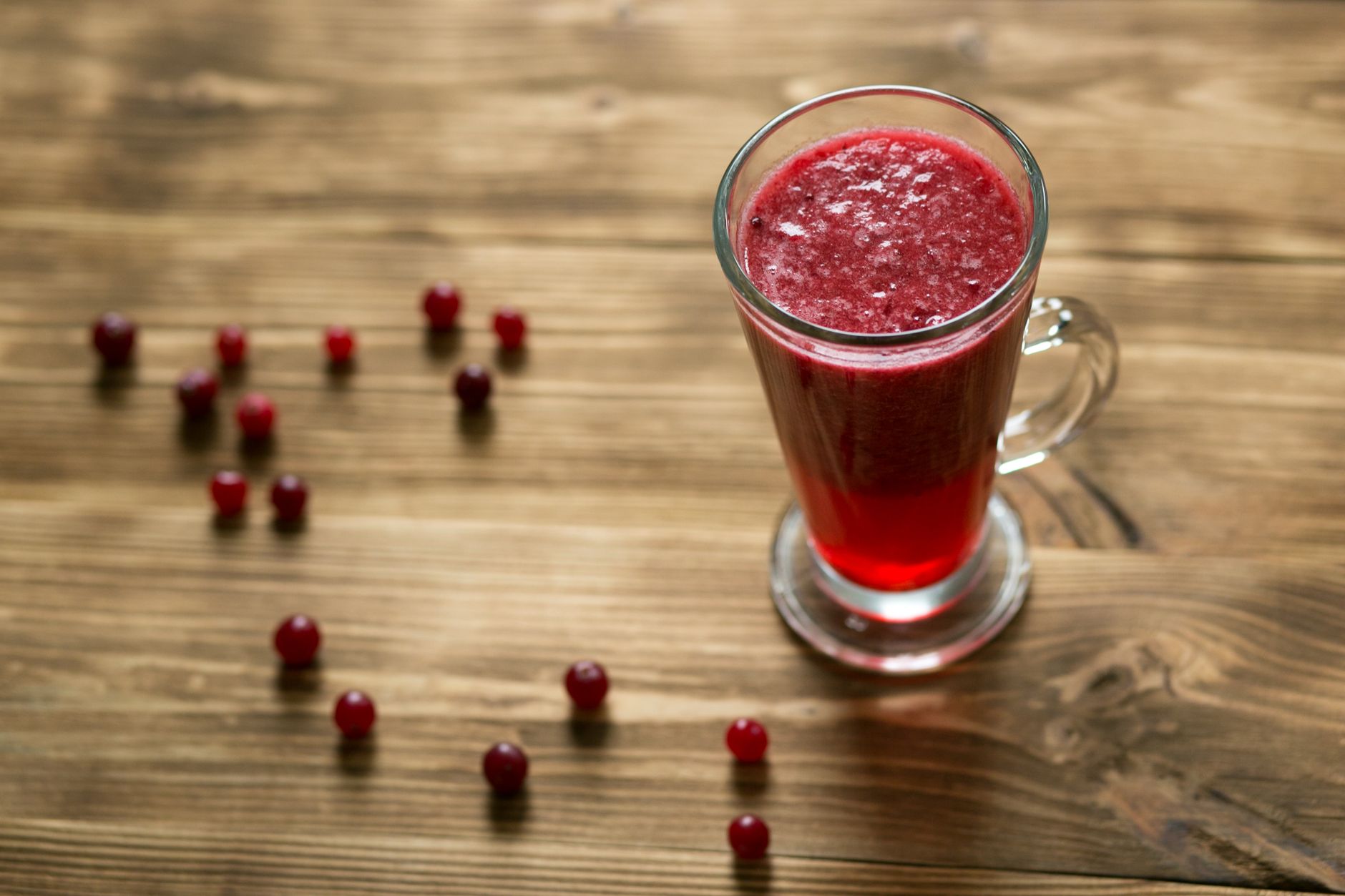
Cranberries are a popular fruit known for their tart flavor and versatility in both sweet and savory dishes. A common question that arises in cooking and baking with cranberries is whether they absorb liquid. Understanding this characteristic can significantly influence your recipes and how you use cranberries to achieve the desired flavor and texture.
This article delves into the science of cranberries, analyzes how they absorb liquid, and offers practical guidance on how to incorporate this knowledge into your cooking. Whether you are preparing homemade sauces, juicing, or baking, this information will make a valuable addition to your culinary toolkit.
Do Cranberries Absorb Liquid?
Yes, cranberries do absorb liquid. When submerged in liquids, cranberries swell and soften, enhancing their natural tartness and flavor. This property is vital for various dishes, particularly in sauces, salads, desserts, and even beverages.
Understanding Cranberries
Cranberries are small, round fruits that belong to the genus Vaccinium. They are native to North America and are prized for their intense flavor and numerous health benefits. Most commonly recognized in their raw form, cranberries are often found dried, juiced, or as a sauce during holiday seasons.
The chemical structure of cranberries plays a significant role in their ability to absorb liquid. Their skins are relatively firm, which allows them to hold liquid while the inside can become tender, creating a pleasant contrast in texture when cooked. Their high acidity and natural pectin further enhance their ability to interact with other ingredients.
How Cranberries Absorb Liquids
The liquid absorption of cranberries can occur through two primary methods: raw and cooked. The method used can affect the outcome of your dish.
Raw Cranberries
When using raw cranberries, soaking them for a short period in liquid allows them to plump up slightly. This is particularly effective in salads or dishes where you want a refreshing burst of flavor. However, the absorption is minor compared to cooked or dried cranberries.
Cooked Cranberries
Cooking cranberries in liquid results in more significant absorption. This is due to the breakdown of their cell walls, allowing liquids to enter and create a tender texture. This method is essential for making sauces, jams, or syrups and is often used in preparations where cranberries are simmered with sugar and other flavorings.
Practical Applications of Liquid Absorption in Cooking
Understanding how cranberries absorb liquid can aid in various culinary applications. Here are some common uses and tips on effective incorporation.
Cranberry Sauce
One of the most classic preparations featuring cranberries is cranberry sauce. The key to a flavorful sauce hinges on balancing the acidity of cranberries with the sweetness from sugar and other ingredients. Cooking cranberries with additional liquid—such as orange juice or water—helps create a glossy, thick sauce.
Basic Cranberry Sauce Recipe
- 12 ounces fresh cranberries
- 1 cup sugar
- 1 cup water or orange juice (for added flavor)
- Combine the cranberries, sugar, and liquid in a saucepan over medium heat.
- Bring to a boil, stirring occasionally to dissolve the sugar.
- Reduce the heat and let simmer until the cranberries burst and the sauce thickens, about 10-15 minutes.
- Allow the sauce to cool; it will thicken further as it cools.
Baking with Cranberries
Cranberries are also popular in baked goods, such as muffins, breads, and cakes. When incorporating cranberries into these recipes, especially dried cranberries, consider soaking them in warm water or juice before adding them to the batter. This helps to rehydrate the fruit, preventing them from absorbing too much moisture from the batter.
Quick Cranberry Muffins
- 2 cups all-purpose flour
- 1 cup sugar
- 1 tablespoon baking powder
- 1/2 teaspoon salt
- 1 cup milk
- 1/2 cup vegetable oil
- 1 large egg
- 1 cup fresh or soaked cranberries
- Preheat the oven to 375°F (190°C) and line a muffin tray with paper liners.
- In a large bowl, whisk together the dry ingredients: flour, sugar, baking powder, and salt.
- In another bowl, combine the wet ingredients: milk, oil, and egg.
- Add the wet mixture to the dry ingredients, stirring gently until just combined. Fold in the cranberries.
- Fill each muffin cup about 2/3 full and bake for 20-25 minutes, or until a toothpick comes out clean.
Making Drinks with Cranberries
Cranberry juice and cocktails benefit greatly from the absorbing properties of cranberries. Fresh or dried cranberries soaked in boiling water can create an intense cranberry-infused liquid that can serve as a base for beverages.
Cranberry-Infused Water
- 1 cup cranberries (fresh or dried)
- 4 cups boiling water
- Mint leaves or lemon slices for garnish (optional)
- Place cranberries in a heatproof container.
- Pour boiling water over the cranberries and let steep for at least 15 minutes.
- Serve warm or chilled, garnished with mint or lemon if desired.
Cranberry Substitutions and Alternatives
In some recipes, you may find yourself needing alternatives to cranberries. Here are some suitable substitutions and their effects on flavor and texture:
- **Dried Cherries**: Offer a similar tart flavor with added sweetness. Best in baked goods.
- **Raisins or Sultanas**: Softer and sweeter; can work in baked dishes but lack the tartness.
- **Pomegranate Seeds**: Provide a similar pop and tartness, ideal for salads and garnishes.
- **Blueberries**: Milder in flavor but can be used effectively in sauces and desserts.
Common Mistakes When Cooking with Cranberries
When working with cranberries, there are a few common pitfalls to avoid:
- **Overcooking**: Cranberries can turn mushy if cooked too long. Monitor their texture closely.
- **Insufficient Sweetening**: Their natural tartness can overwhelm when used in sweet dishes, so always adjust sweetness accordingly.
- **Not Soaking Dried Cranberries**: Skipping the soaking process can lead to dry, less flavorful baked goods, as dried fruits absorb moisture from the batter.
- **Ignoring pH Balance**: Understand how acidic ingredients (like cranberries) interact with other elements for achieving the right flavors.
Storage and Shelf Life of Cranberries
Proper storage of cranberries affects their longevity and flavor:
Fresh Cranberries
Fresh cranberries can be refrigerated and stored for up to two months. Make sure they are sealed in a plastic bag or container to maintain freshness and avoid moisture.
Dried Cranberries
Dried cranberries can last for up to a year when stored in an airtight container in a cool, dark place. They can also be kept in the refrigerator to extend their shelf life.
Cranberry Sauce
Homemade cranberry sauce can last up to two weeks in the refrigerator. It can also be frozen for longer storage, up to a year; just remember to leave some headspace in the container for expansion.
Conclusion
Cranberries not only absorb liquid but also enhance the flavor of various dishes, from sauces to baked goods. Understanding their absorption properties allows you to use them effectively in your cooking and baking, ensuring you achieve the right flavor and texture. So the next time you’re in the kitchen, think about how cranberries can elevate your dishes and plan accordingly.
To explore more ways to enjoy cranberries, check out this delightful cranberry candy recipe, make something savory with our cranberry chicken recipe, or prepare a perfectly flavored cranberry sauce with orange. You may also enjoy a refreshing cranberry relish recipe for your festive gatherings!