
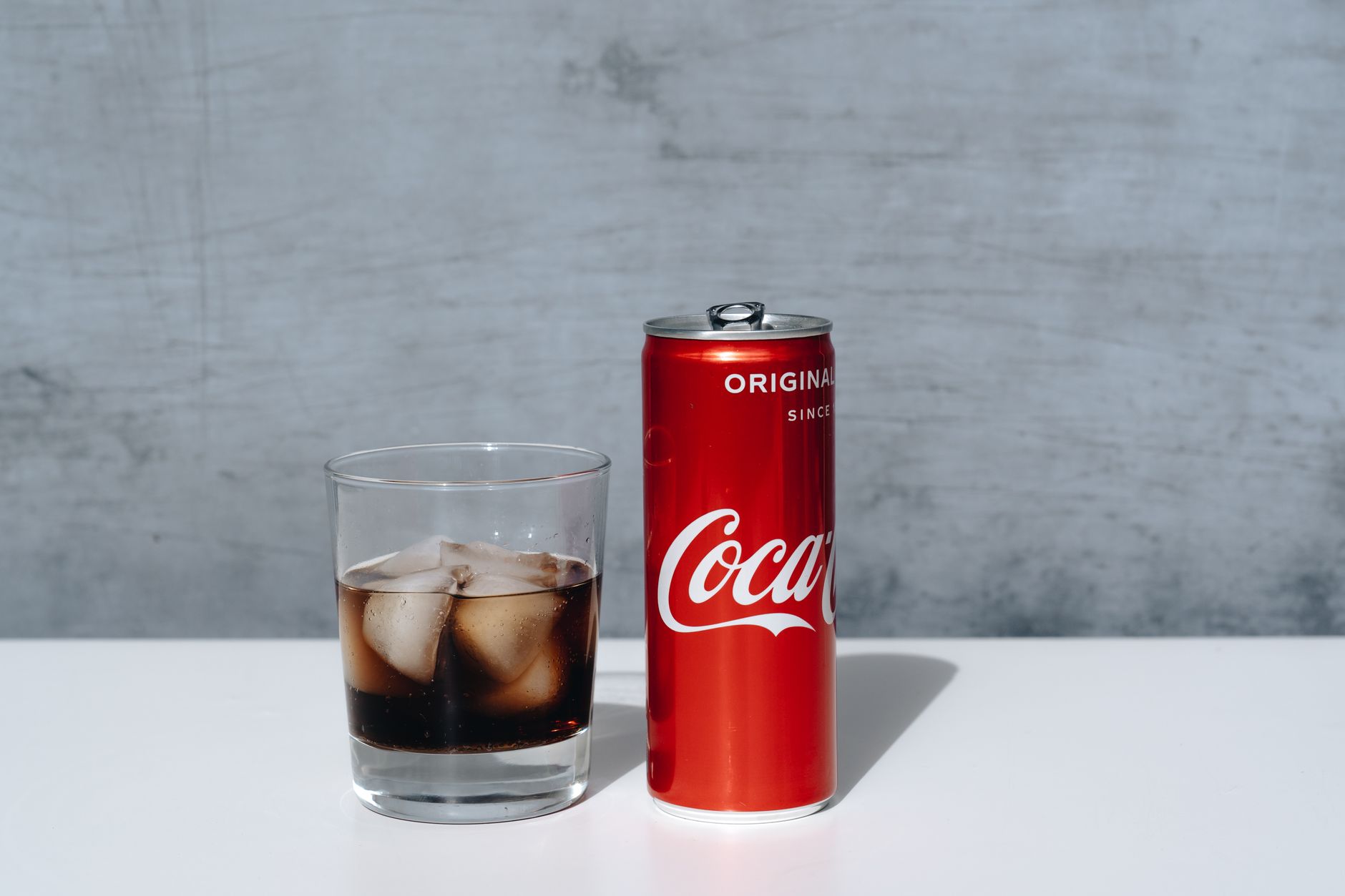
When you crack open a can of Coke, the crisp sound is often accompanied by the tantalizing aroma of its signature flavor. However, one key aspect many consumers are curious about is its sugar content. This article will delve into precisely how much sugar is in a Coke and explore the implications of that sugar content on health and consumption.
Understanding the sugar content in beverages like Coke is crucial for those monitoring their sugar intake or looking to make healthier choices. Let’s break down the specifics of Coke’s sugar content, serving sizes, and much more.
How Many G of Sugar in a Coke?
A standard 12-ounce (355 mL) can of Coca-Cola contains approximately 39 grams of sugar. This amount is primarily derived from high fructose corn syrup, making up a significant portion of the beverage. In comparison, a 20-ounce (591 mL) bottle of Coke contains about 65 grams of sugar.
Understanding Serving Sizes and Portions
Understanding serving sizes is essential when evaluating sugar content in Coke or any other beverage. The amount of sugar varies depending on the packaging and serving size, which is important for calorie and sugar management.
Standard Serving Sizes
- 12-ounce can: 39 grams of sugar
- 20-ounce bottle: 65 grams of sugar
- 7.5-ounce mini can: 28 grams of sugar
Different Serving Sizes and Its Impact
Portion control plays a critical role in sugar consumption. For example, if you were to drink a 20-ounce bottle instead of a 12-ounce can, you’re consuming an additional 26 grams of sugar. Understanding these differences is vital for anyone looking to manage their daily sugar intake.
Comparative Sugar Content in Popular Sodas
To put Coke’s sugar content into perspective, here’s a comparison with other popular sodas:
- Pepsi (12 oz): 41 grams of sugar
- Sprite (12 oz): 38 grams of sugar
- Dr Pepper (12 oz): 40 grams of sugar
Coke’s sugar content is relatively similar to these other beverages, so it isn’t significantly higher or lower than its competitors.
The Role of Sugar in Coca-Cola
The sugar in Coca-Cola serves various purposes. It not only imparts sweetness but also enhances the overall flavor profile, making the beverage more enjoyable. Additionally, sugar contributes to the beverage’s mouthfeel and can affect the perceived acidity.
Types of Sugar in Coke
Coca-Cola primarily uses high fructose corn syrup (HFCS) in the U.S. However, in other countries, it may use cane sugar (sucrose). Both HFCS and cane sugar have similar sweetness levels but can affect flavor nuances.
Health Implications of Consuming Sugary Beverages
While sugar can enhance flavor, excessive consumption of sugary beverages like Coke can lead to health issues. Here’s what to keep in mind regarding sugar intake:
The Recommended Sugar Intake
The American Heart Association advises that women limit added sugars to 6 teaspoons (25 grams) per day and men to 9 teaspoons (36 grams). A single can of Coke exceeds the recommended daily limit for women and nearly reaches it for men.
Health Risks Associated with Excessive Sugar Intake
- Weight Gain: Consuming high-sugar beverages can lead to excess calorie intake, contributing to weight gain.
- Type 2 Diabetes: High sugar consumption increases the risk of insulin resistance and type 2 diabetes.
- Dental Problems: Sugars can contribute to tooth decay and cavities.
- Heart Disease: Studies suggest a high-sugar diet may increase the risk of heart disease.
Can You Reduce Sugar Intake While Enjoying Coke?
If you love Coke but are concerned about sugar intake, there are several strategies you can consider:
Opt for Smaller Serving Sizes
Choosing a smaller size, such as a 7.5-ounce mini can, can significantly reduce your sugar intake while still allowing you to enjoy the flavor you love.
Switching to Diet Versions
Diet Coke and Coke Zero Sugar are options that contain zero sugar and fewer calories. However, they contain artificial sweeteners, which some consumers may prefer to avoid. Always assess if diet options align with your dietary preferences.
Limit Frequency of Consumption
Instead of making Coke a daily drink, consider reserving it for special occasions. This can help reduce overall sugar intake without eliminating enjoyment.
Sugary Beverages and Weight Management
If weight management is a concern, understanding how sugary beverages fit into your daily caloric needs is crucial. Regularly consuming high-calorie drinks can sabotage efforts to maintain or lose weight.
Caloric Content of Coke and Its Impact on Daily Intake
A 12-ounce can of Coke contains around 140 calories, primarily from sugar. Integrating this into your daily caloric intake requires mindfulness:
- Consider the calorie contribution of Coke in relation to meals and snacks.
- Monitor total daily caloric intake to ensure it aligns with weight-loss or management goals.
Understanding Sugar Alternatives and Healthy Swaps
For those looking to decrease sugar without sacrificing flavor, consider exploring sugar alternatives and healthy swaps.
Common Sugar Substitutes
- Stevia: A natural sweetener derived from the Stevia plant, it has zero calories.
- Monk Fruit: Another natural sweetener with no calories and a flavor profile that’s popular for sweetness without sugar.
- Erythritol: A sugar alcohol that has minimal calories and does not spike blood sugar levels.
Making Your Own Beverages
Consider making homemade drinks. Here’s a simple recipe for a refreshing beverage that lets you control sugar levels:
Homemade Sparkling Citrus Drink
Yield:
Serves 4
Preparation Time:
10 minutes
Cooking Time:
0 minutes
Total Time:
10 minutes
Ingredients:
- 1 cup fresh citrus juice (lemon, lime, or orange)
- 2 tablespoons agave syrup or sugar alternative
- 4 cups sparkling water
- Ice (optional)
- Citrus slices for garnish
Essential Equipment:
- Juicer
- Pitcher
- Stirring spoon
Method:
- Juice the citrus fruit and collect the juice in a pitcher.
- Add the sweetener of your choice, adjusting to taste.
- Pour in the sparkling water and stir gently to combine.
- Serve over ice and garnish with citrus slices.
Conclusion: A Balanced Approach to Enjoying Coke
In summary, a standard can of Coke contains approximately 39 grams of sugar, largely from high fructose corn syrup. With the recommended sugar intake being significantly lower, it’s essential for consumers to be mindful of their soda consumption. Moderation is key; whether you opt for smaller servings or sugar substitutes, ensuring a balanced approach will enhance your overall health.
If you’re interested in exploring more about healthy drink options, homemade beverage recipes, or further food and drink guides, feel free to explore related content that can help you navigate your culinary journey.