
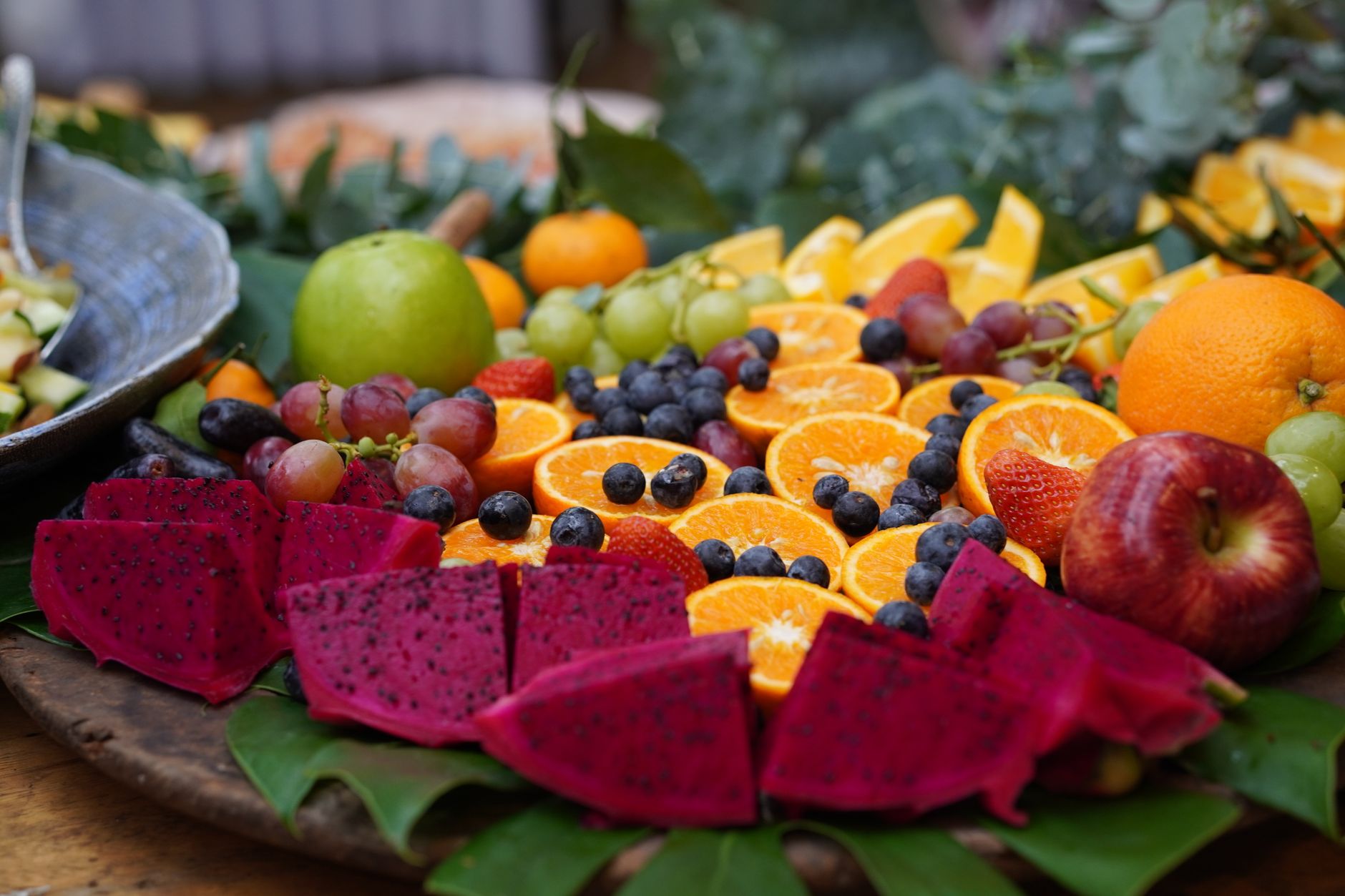
Fruits are often lauded for their nutritional benefits, one of the most important being their fiber content. But do all fruits have fiber? This question addresses not just dietary needs but also the versatility of fruits in our daily meals. Understanding fiber in fruits can help you make informed choices for a balanced diet.
In this article, we will explore the fiber content in various fruits, analyze their nutritional profiles, and provide serving sizes. By the end, you’ll be more educated about which fruits can boost your fiber intake and how to incorporate them into your diet efficiently.
Do All Fruits Have Fiber?
Not all fruits have the same amount of fiber, but most do contain some level of it. Fruits like apples, pears, and berries are rich in fiber, while others, such as watermelon and bananas, contain less fiber comparatively. Understanding the varying fiber content can help you enrich your diet with the right fruits.
What is Fiber, and Why is it Important?
Fiber is a type of carbohydrate that the body cannot digest. It plays a critical role in maintaining digestive health, controlling blood sugar levels, and managing weight. There are two types of fiber: soluble and insoluble. Soluble fiber dissolves in water and can help lower blood sugar and cholesterol levels, while insoluble fiber adds bulk to stool and aids in digestion.
Including fiber-rich fruits in your diet helps regulate bowel movements, prevent constipation, and support overall gut health. Dietary guidelines recommend that adults consume 25 to 30 grams of fiber each day from various sources, including fruits, vegetables, legumes, and whole grains.
Fruits High in Fiber
Let’s delve into some fruits that are particularly high in fiber, highlighting their nutritional benefits and serving sizes.
1. Raspberries
Raspberries are a powerhouse of fiber, offering about 8 grams of fiber per cup. They are low in calories and high in antioxidants, making them an excellent choice for a healthy snack or addition to smoothies.
2. Pears
A medium-sized pear contains approximately 5 to 6 grams of fiber, particularly when eaten with the skin. Pears are also a good source of vitamin C and potassium.
3. Apples
Apples generally have about 4 grams of fiber each, especially when the skin is not removed. They are versatile fruits that can be eaten raw, added to salads, or baked.
4. Bananas
An average medium banana provides about 3 grams of fiber. While bananas are lower in fiber than some other fruits, they are rich in potassium and vitamin B6.
5. Blackberries
Blackberries offer around 7 grams of fiber per cup. These berries are delightful in yogurt, salads, or smoothies and pack a chocolate flavor punch.
6. Avocados
Though often classified as a vegetable, avocados are technically fruits. A typical avocado contains around 10 grams of fiber, making it one of the most fiber-rich fruits. They are also high in healthy fats and provide a creamy texture to dishes.
7. Figs
Figs are another fiber-rich fruit, offering approximately 3 grams of fiber per medium-sized fig. These sweet fruits are great in salads or can be enjoyed dried as a snack.
Fruits with Moderate Fiber Content
Some fruits have moderate fiber levels. Though they may not be the highest in fiber content, they still offer additional nutritional benefits.
1. Oranges
A medium orange offers about 3 to 4 grams of fiber. Oranges are also famous for their vitamin C and hydration properties.
2. Kiwifruit
A medium kiwi contains around 2 grams of fiber. These fuzzy fruits are also rich in vitamin C and K, making them a nutritious choice.
3. Peaches
A medium peach provides approximately 2 grams of fiber. They are juicy, sweet, and ideal for desserts or eating fresh.
4. Cherries
A cup of cherries has about 3 grams of fiber. This delightful fruit is rich in antioxidants and can enhance the taste of both sweet and savory dishes.
5. Grapes
A cup of grapes contains approximately 1 gram of fiber. They are hydrating and great for snacking. However, they are less fiber-rich compared to other fruits.
Fruits Low in Fiber
Some fruits are relatively low in fiber but still come with their own unique benefits. This section lists fruits that are less fibrous and their nutritional profiles.
1. Watermelon
Watermelon is refreshing and hydrating but contains only about 0.4 grams of fiber per cup. While low in fiber, it is an excellent source of hydration and provides vitamins A and C.
2. Honeydew Melon
Similar to watermelon, honeydew melon provides around 0.4 grams of fiber per cup. While it’s not a fiber powerhouse, it’s still tasty and hydrating.
3. Cantaloupe
Cantaloupe offers about 1 gram of fiber per cup. This tropical fruit is a great source of vitamin A and feels refreshing on hot days.
4. Pineapple
While delicious, pineapple provides only about 2 grams of fiber per cup. It’s also rich in bromelain, an enzyme that may aid digestion.
5. Bananas (with caution)
While previously mentioned, it’s worth noting that ripe bananas have lower fiber levels than their less ripe counterparts. The starch in unripe bananas turns into sugar as they ripen, reducing fiber content. So, to gain more fiber, consider eating them when they’re slightly green.
Serving Sizes and How to Incorporate Fruits into Your Diet
Understanding serving sizes is essential for incorporating enough fiber-rich fruits into your diet. Here are some practical serving sizes and tips on how to include more fruits in your meals:
- Raspberry: 1 cup (8 grams)
- Pear: 1 medium (5-6 grams)
- Apple: 1 medium (4 grams)
- Avocado: 1 medium (10 grams)
- Blackberry: 1 cup (7 grams)
- Banana: 1 medium (3 grams)
To boost your fiber intake, consider the following suggestions:
- Add fruits to your breakfast: Toss some berries into your oatmeal or yogurt.
- Snack on whole fruits instead of processed snacks, which are often lower in fiber.
- Use fruits in salads, desserts, or smoothies to enhance flavor and nutrition.
- Incorporate fruits into savory dishes, like salsas or marinades.
- Make fruit-infused water for a refreshing drink any time of day.
Common Questions about Fiber in Fruits
1. Can I rely on fruits alone for my fiber intake?
While fruits are a great source of fiber, they should not be your only source. Incorporating vegetables, whole grains, legumes, and nuts can help you meet your daily fiber needs.
2. Does cooking fruits reduce their fiber content?
Cooking some fruits may retain the fiber content while altering their texture. However, always consider how you prepare fruits, as the addition of sugars or fats can affect their overall healthiness.
3. Are dried fruits high in fiber?
Dried fruits can be high in fiber, but the dehydration process concentrates the sugars, making them calorie-dense. Moderation is crucial when consuming dried fruits. For instance, a quarter cup of dried figs contains about 7 grams of fiber.
4. Are fruit juices high in fiber?
Fruit juices generally have much less fiber than whole fruits. Juicing removes the pulp, which contains most of the beneficial fiber. If you’re looking to boost fiber intake, stick to whole fruits instead.
Tips for Increasing Fiber Intake
Here are some practical tips for ensuring you meet your fiber needs through fruits and other sources:
- Choose whole fruits over fruit products like juice or canned fruits packed in syrup.
- Incorporate both soluble and insoluble fiber sources into your diet.
- Gradually increase fiber intake to allow your digestive system to adapt.
- Stay hydrated: Drinking plenty of water can help mitigate any digestive discomfort that may arise from a high-fiber diet.
- Consider fiber-rich smoothies where you can blend different fruits and vegetables together.
Storage and Preservation of Fruits
Proper storage of fruits can help maintain their freshness and fiber levels. Here are some tips to keep your fruits in optimal condition:
- Refrigerate: Keep berries, grapes, and avocados in the refrigerator to preserve their freshness.
- Room temperature: Apples, pears, and bananas can be stored at room temperature until they ripen.
- Avoid moisture: Wash fruits before eating, not before storage, to avoid mold growth.
- Avoid ethylene-sensitive fruits: Some fruits, like bananas and avocados, release ethylene gas, which can cause other fruits to ripen too quickly.
In summary, fruits are essential for a balanced diet, contributing significant amounts of fiber and other nutrients. While not all fruits are high in fiber, they still play a crucial role in maintaining digestive health and overall wellness. To reap the benefits of fiber, look for fruits like raspberries, pears, and avocados, and try to incorporate a variety of fruits into your daily meals.
As you consider your dietary fiber goals, explore related recipes and tips to enhance your meals. Some great starting points include these articles: learn about the fiber content in bananas and see if kale contains fiber. Happy cooking and healthy eating!