
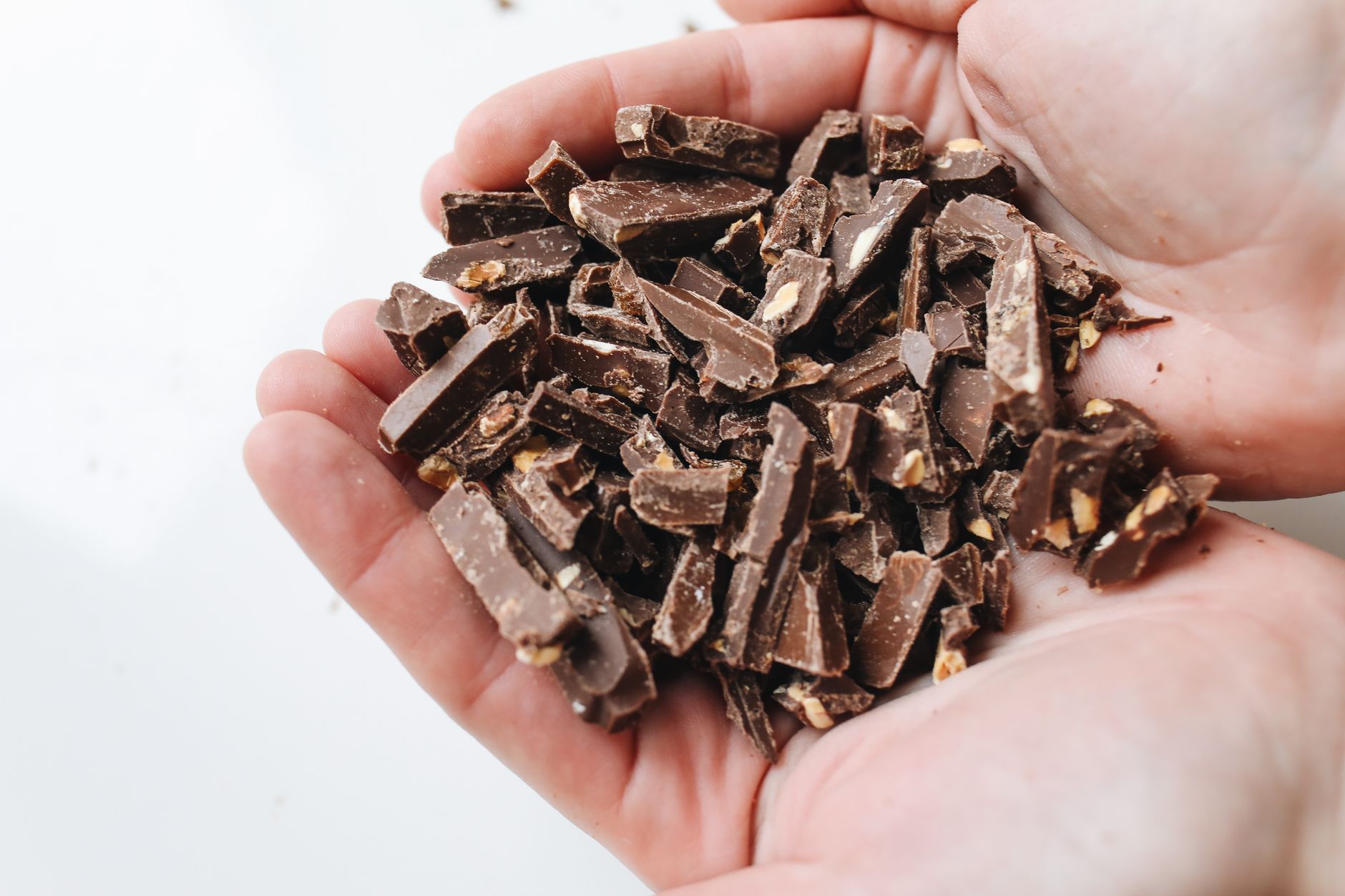
Chocolate is a beloved treat enjoyed by many, but its complexity goes beyond mere indulgence. It is essential to understand its origins, types, nutritional value, and various culinary uses. This deep dive into chocolate will not only satisfy your curiosity but also enhance your cooking and baking practices.
Whether you prefer dark, milk, or white chocolate, each type has unique characteristics and applications. In this guide, you will discover food facts about chocolate, its kitchen uses, and creative serving ideas that celebrate this delightful ingredient.
Is Chocolate?
Chocolate is a food product manufactured from cocoa beans, which are the seeds of the cacao tree (Theobroma cacao). It can be found in various forms and flavors, ranging from solid bars to liquid forms. Chocolate is often sweetened and flavored, making it a versatile ingredient in both savory and sweet dishes.
The History of Chocolate
The origins of chocolate date back to ancient Mesoamerican cultures, where cacao beans were cherished and often used in rituals and as currency. The Olmecs are considered one of the first civilizations to cultivate cacao as early as 1500 BC. By the time the Maya and Aztecs came to power, chocolate had evolved into a drink, typically flavored with spices and enjoyed during special occasions.
Chocolate arrived in Europe in the 16th century, where it underwent a transformation into the sweetened confections we know today. As technology advanced, chocolate production methods improved, leading to the creation of solid chocolate bars in the 19th century.
Types of Chocolate
Understanding the different types of chocolate can greatly enhance your culinary experience. Each type has unique qualities best suited for specific recipes or occasions.
Dark Chocolate
Dark chocolate, also known as bittersweet chocolate, contains cocoa solids, cocoa butter, and sugar. It typically has a higher cocoa content (ranging from 50% to 90%) and lacks milk solids. Dark chocolate is celebrated for its rich flavor and potential health benefits, as it is packed with antioxidants.
Milk Chocolate
Milk chocolate is characterized by its creamy texture and sweetness, deriving its flavor from a blend of cocoa solids, cocoa butter, sugar, and milk solids. It generally has a lower cocoa content than dark chocolate, creating a smoother, sweeter treat that appeals to many.
White Chocolate
White chocolate contains cocoa butter but no cocoa solids, meaning it lacks the characteristic chocolate flavor. It is made from cocoa butter, sugar, and milk solids. While not technically chocolate due to the absence of cocoa solids, it remains a popular ingredient for various desserts.
Cocoa Powder
Cocoa powder is derived from ground cocoa solids after extracting the cocoa butter. It comes in two forms: natural and Dutch-processed. Natural cocoa powder has a light, slightly acidic flavor, while Dutch-processed cocoa is treated with alkali to neutralize its acidity, resulting in a darker color and milder taste.
Nutritional Value of Chocolate
While chocolate is often viewed as an indulgent treat, it can have health benefits when consumed in moderation. Dark chocolate, in particular, is rich in flavonoids, which are antioxidants that can support heart health by improving circulation and lowering blood pressure.
However, chocolate also contains sugar and fat, which contribute to its calorie content. A 1-ounce (28 grams) serving of dark chocolate with 70-85% cocoa typically contains:
- Calories: 170-200
- Total Fat: 12-15 grams
- Saturated Fat: 7-9 grams
- Carbohydrates: 13-15 grams
- Sugar: 5-8 grams
- Protein: 2-3 grams
When evaluating the nutritional value of chocolate, it’s essential to consider the quality and the ingredients used. Chocolates with higher cocoa content and minimal additives tend to offer better health benefits.
Chocolate in the Kitchen
Chocolate can be utilized in a wide array of culinary applications, making it a versatile ingredient in the kitchen. Here are some common uses:
Baking
Chocolate is a staple in baking, found in cakes, cookies, brownies, and pastries. Depending on the recipe, you can use dark, milk, or white chocolate, or even cocoa powder. When baking with chocolate, consider the following:
- Choose high-quality chocolate for better flavor and texture.
- Melting chocolate should be done carefully to avoid seizing; use a double boiler or microwave at low power.
- Pairing chocolate with complementary flavors like vanilla, nuts, or fruits can elevate your baked goods.
Cooking
Chocolate can also enhance savory dishes. It can be incorporated into sauces, marinades, and stews to add depth and richness. Here are a few suggestions:
- Add a small amount of dark chocolate or cocoa powder to chili for a complex flavor.
- Stir cocoa powder into rich beef or mole sauces.
- Use chocolate as a glaze for meats, such as pork or duck, for a sweet-savory profile.
Chocolate Drinks
Chocolate can be enjoyed in a variety of beverages, from classic hot chocolate to sophisticated cocktails. Here are a few beverage ideas:
- Classic hot chocolate, made with milk or cream, melted chocolate, and topped with whipped cream or marshmallows.
- Mochas, which combine espresso and chocolate for a delightful coffee treat.
- Cocktails incorporating chocolate liqueurs, such as chocolate martinis or mudslides.
Chocolate Confections
Creating your own chocolate confections can be a rewarding cooking experience. You can make truffles, bark, or dipped fruits, allowing you to experiment with flavors and ingredients:
- Truffles can be filled with various ingredients, such as fruit puree, nuts, or flavored creams.
- Bark can be a simple combination of melted chocolate with additional toppings like nuts, dried fruit, or sea salt.
Common Mistakes When Using Chocolate
While working with chocolate can be straightforward, there are several common pitfalls. Here are some mistakes to avoid:
- Not tempering chocolate: Tempering is essential for a glossy finish and crisp texture in chocolate bars and candies. Skipping this step can result in dull, uneven chocolate.
- Overheating chocolate: Melting chocolate too quickly can cause it to seize. Always use low heat and stir frequently.
- Using low-quality chocolate: The flavor and texture of the final dish can be affected by the quality of chocolate used. Opt for high-quality chocolate whenever possible.
Serving Ideas for Chocolate
Chocolate can be presented in various forms, making it an excellent choice for celebrations or everyday treats. Here are practical serving ideas to showcase chocolate:
Chocolate Desserts
When it comes to desserts, chocolate can steal the spotlight. Consider these options for chocolate-centric dishes:
- Chocolate cake layered with rich ganache and frosted with chocolate buttercream.
- Panna cotta infused with dark chocolate and served with a berry coulis.
- Chocolate soufflé, known for its light and airy texture.
Chocolate Pairings
Chocolate pairs wonderfully with various flavors that can enhance its rich profile. Consider pairing chocolate with:
- Fruit: Berries, oranges, or bananas complement chocolate’s sweetness.
- Nuts: Almonds, hazelnuts, or pecans add a crunchy texture that contrasts with melted chocolate.
- Spices: Cinnamon, chili powder, or cardamom offer an intriguing twist and depth of flavor.
Chocolate Gifts
Chocolate gifts are always in style and can be customized for special occasions. Here are ideas for giving chocolate:
- Homemade chocolate bark, packaged with decorative wrapping.
- A selection of handmade truffles presented in a beautiful box.
- Chocolate-covered fruits or nuts in reusable jars for an eco-friendly option.
Storage and Shelf Life of Chocolate
Proper storage of chocolate is essential to maintain its quality. Here are essential tips for storing chocolate:
- Store chocolate in a cool, dry place away from strong odors. The ideal temperature is between 60-70°F (15-21°C).
- Avoid refrigeration as it can cause condensation and lead to sugar bloom, which affects texture and appearance.
- Chocolate can typically be stored for up to a year, but check for signs of spoilage, such as discoloration or an off smell.
Substitutions and Variations
When a recipe calls for chocolate, substitutions may be necessary based on dietary preferences or availability. Here are some common substitutions:
Chocolate Substitutes
- Cocoa powder can replace chocolate in recipes, using three tablespoons of cocoa powder combined with one tablespoon of vegetable oil for every ounce of chocolate needed.
- For a dairy-free option, use dark chocolate labeled as dairy-free or every two ounces of chocolate, substitute one ounce of unsweetened chocolate with two tablespoons of coconut oil.
Experimenting with chocolate substitutes may require adjustments in sweetness and texture, so keep that in mind while cooking.
Chocolate and Dietary Preferences
Chocolate can fit into various dietary preferences, provided you select the right products. Here are some considerations:
- Vegan chocolate is made without milk products, and many dark chocolate varieties are suitable for vegans.
- Gluten-free chocolate products typically contain no gluten, but always check labels for cross-contamination.
- Allergens such as nuts or soy may be present in some chocolates, so individuals with allergies should carefully read ingredient listings.
Creating the Ultimate Chocolate Experience
For the ultimate chocolate experience, consider exploring various recipes and incorporating different types of chocolate into your meals. By mixing and matching, you can experiment with flavors and textures, creating dishes that make chocolate shine.
Chocolate is a versatile ingredient that complements a wide range of flavors and ingredients. Whether it’s a creamy chocolate mousse or a rich, dark chocolate sauce drizzled over a dessert, the possibilities are endless. Don’t be afraid to unleash your creativity and enjoy exploring various aspects of this beloved treat.
As you experiment with chocolate, remember to savor each moment and taste the artistry involved in working with such a delightful ingredient. Embrace the world of chocolate, and discover all the flavors, textures, and experiences it has to offer.
Additionally, further explore related content such as vegan chocolate options, or learn how to make a decadent Mexican hot chocolate.