
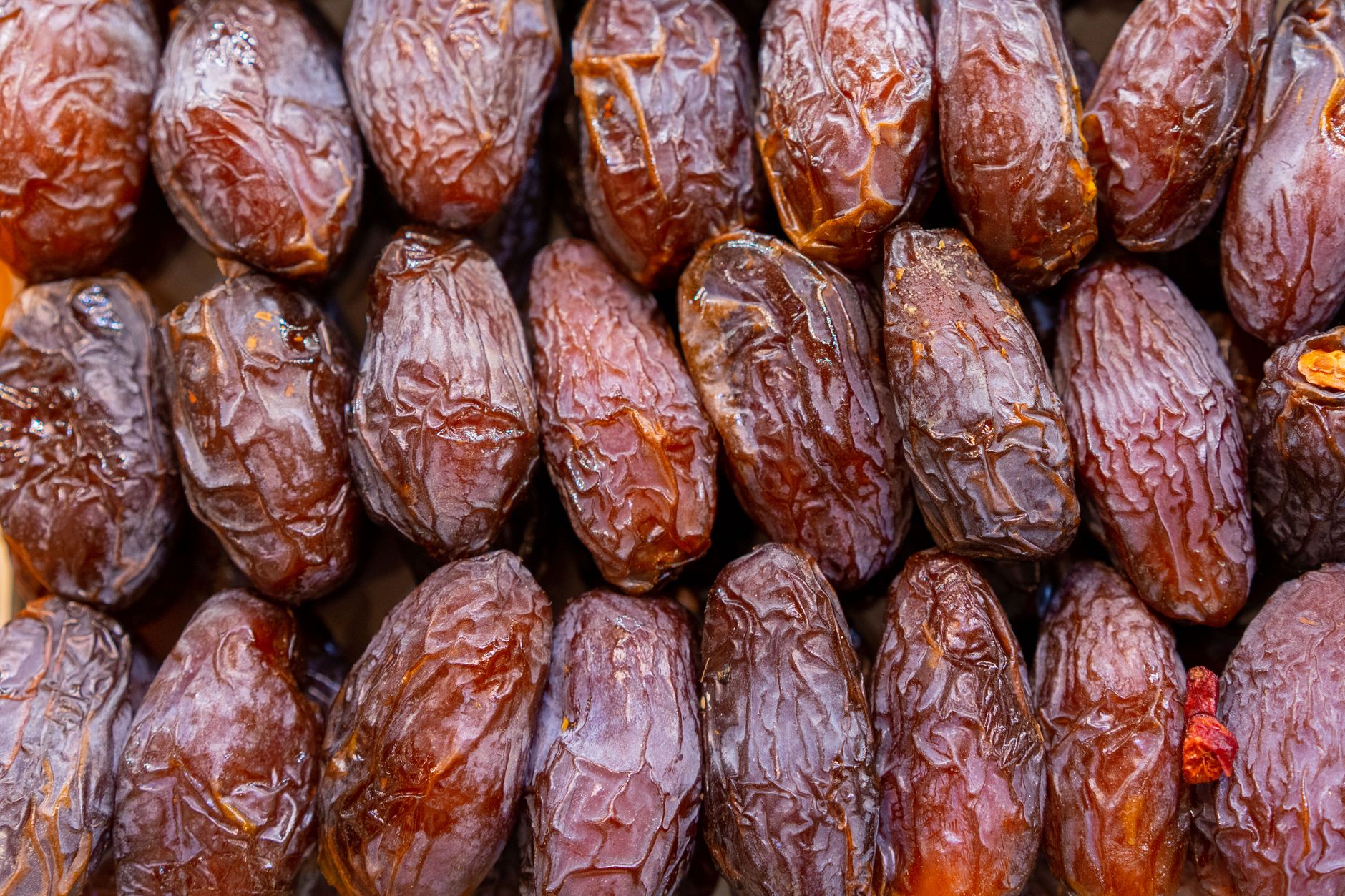
Dates, often referred to as nature’s candy, are sweet fruits from the date palm tree, primarily grown in warm climates. Dried dates are particularly popular due to their long shelf life and concentrated flavor, making them a versatile ingredient in various culinary applications.
In this comprehensive guide, we will delve into the characteristics, uses, nutritional benefits, and ways to incorporate dried dates into your meals. From snacking to baking, you’ll discover how these sweet treats can enhance your diet and meal plans.
What Are Dried Dates?
Dried dates are the dehydrated version of fresh dates, which have a chewy texture and a rich, caramel-like flavor. They come in various types, including Medjool, Deglet Noor, and Barhi, each with unique flavor profiles and textures. Dried dates are often used in desserts, savory dishes, and as natural sweeteners in various recipes.
Nutritional Benefits of Dried Dates
Dried dates are not only delicious; they are also packed with essential nutrients. Here’s a look at their nutritional profile and benefits:
- High in Fiber: Dried dates are an excellent source of dietary fiber, aiding digestion and promoting gut health.
- Natural Sweetener: They can be used as a natural sweetener in recipes, reducing the need for added sugars.
- Rich in Vitamins and Minerals: Dates are rich in vitamins like B6, K, and minerals such as potassium, magnesium, and copper.
- Energy Boost: Their high carbohydrate content makes dried dates an excellent source of quick energy.
- Antioxidant Properties: Dates contain antioxidants that help combat oxidative stress in the body.
How Are Dried Dates Made?
The process of drying dates helps to concentrate their flavors and increase their shelf life. Here’s how dried dates are typically made:
- Harvesting: Fresh dates are harvested from date palms when they are ripe.
- Washing: They are washed to remove any dirt or impurities.
- Drying: Dried dates can be naturally sun-dried or dehydrated using machines. This process removes moisture while preserving the fruit’s sweetness.
- Packaging: Once dried, the dates are packaged and stored in a cool, dry place to maintain their quality.
Types of Dried Dates
Different varieties of dates lend distinct flavors and textures to recipes:
- Medjool Dates: Known for their large size, soft texture, and rich flavor, Medjool dates are often used in desserts and as snacks.
- Deglet Noor Dates: These are firmer and drier than Medjool dates, making them ideal for cooking and baking.
- Barhi Dates: These have a sweet, delicate flavor and are best enjoyed fresh but can be dried for a unique taste.
- Khadrawy Dates: These are soft, sweet, and shorter in length, often appreciated for their caramel notes.
How to Choose and Store Dried Dates
When selecting dried dates, consider the following:
- Quality: Choose dates that feel plump and moist, without any signs of dryness or crystallization.
- Packaging: Look for vacuum-sealed packaging or tightly sealed containers to ensure freshness.
- Storage: Store dried dates in an airtight container in a cool, dry place. They can also be refrigerated to extend their shelf life.
Cooking with Dried Dates
Dried dates can be used in a myriad of ways in the kitchen. Here are some practical applications:
1. Snacking
Dried dates make a nutritious snack on their own or can be paired with nuts and cheese for a satisfying treat.
2. Baking
Dried dates can add natural sweetness to baked goods. Here are a few baking ideas:
- Energy Balls: Blend dates with nuts and seeds for a boost of energy.
- Muffins and Bread: Incorporate chopped dates into your muffin or bread batter for added sweetness and texture.
- Cookies: Replace chocolate chips in cookies with diced dried dates for a chewy twist.
3. Cooking
In savory dishes, dried dates bring a delightful contrast to rich flavors:
- Salads: Add sliced dates to salads for a sweet touch that complements greens and proteins.
- Stuffed Dishes: Use them as a filling for stuffed vegetables or meats alongside spices and herbs.
- Tagines and Stews: Incorporate dates into slow-cooked dishes for a hint of sweetness.
4. Sandwiches and Wraps
Chopped dates can enhance the flavor of wraps and sandwiches, especially in combinations with cheese or nut butter.
5. Drinks and Smoothies
Blend dates into smoothies or make date-based energy drinks for a healthy, sweet enhancement. If you enjoy smoothies, try adding pitted dates before blending for natural sweetness.
6. Date Syrup
Dried dates can be transformed into a syrup by blending with water and straining. This syrup acts as a natural sweetener for pancakes, waffles, or coffee.
Practical Substitutions for Dried Dates
If you find yourself out of dried dates or wish to explore other flavors, there are several substitutes you can consider:
- Prunes: Similar texture and sweetness, but slightly different flavor.
- Raisins: Another dried fruit option with a similar chewy texture, though less sweet.
- Dried Figs: Provide a unique flavor but have seeds that may alter the texture.
- Maple Syrup or Honey: Liquid sweeteners that can replace dates in recipes requiring sweetening, although the texture will differ.
Common Mistakes When Using Dried Dates
To get the most out of dried dates, avoid these common pitfalls:
- Inadequate Pitting: Always remove the pits before using dates in recipes to maintain safety and texture.
- Not Soaking: For hard or very dry dates, soak them in warm water for about 10-15 minutes to soften them before use.
- Overcomplicating Recipes: While dates can enhance many dishes, overusing them can lead to an overly sweet outcome. Balance is key.
Storage and Shelf Life of Dried Dates
Proper storage is essential for maintaining the quality of dried dates. Here’s what you need to know:
- Airtight Containers: Always keep dried dates in airtight containers to prevent moisture and oxidation.
- Refrigeration: While not necessary, refrigerating them can extend their shelf life to up to two years.
- Monitor for Spoilage: Look for signs of spoilage, such as unusual smells or mold.
Incorporating Dried Dates Into Your Meal Plan
Dried dates can seamlessly fit into various meal plans, providing natural sweetness without processed sugars. Here are some ideas for including dried dates in your weekly meal prep:
- Breakfast: Start your day with oatmeal topped with chopped dates and nuts. Alternatively, make a smoothie incorporating dates for natural sweetness.
- Lunch: Add diced dates to salads with greens, cheese, and nuts for a nutritious and filling meal.
- Dinner: Incorporate dates into your roasted vegetable dishes or as part of a stuffing for proteins like chicken or pork.
- Snacks: Keep dried dates on hand for a quick, energizing snack throughout the day.
- Desserts: Use dates as a natural sweetener in cakes, bars, or energy balls.
Recipe Inspiration: Dried Date Energy Balls
If you’re looking for a simple, healthy snack that makes great use of dried dates, consider making energy balls. Here’s how:
Ingredients
- 1 cup of pitted dried dates
- 1 cup of nuts (almonds, cashews, or walnuts)
- 1 cup of rolled oats
- 2-3 tablespoons of nut butter (optional)
- 1 tablespoon of cocoa powder (optional)
- 1 teaspoon of vanilla extract
- A pinch of salt
Method
- In a food processor, combine the pitted dates and nuts. Blend until finely chopped.
- Add rolled oats, nut butter, cocoa powder, vanilla extract, and salt. Process until a sticky mixture forms.
- Using your hands, roll the mixture into bite-sized balls.
- Place them in the refrigerator for about 30 minutes to firm up.
- Store in an airtight container in the refrigerator for up to one week.
Conclusion
Dried dates are a versatile ingredient that can elevate a variety of dishes, adding sweetness and depth of flavor without refined sugars. Whether snacking, baking, or cooking, incorporating dried dates into your meals can provide both taste and nutrition.
Explore the world of dried dates by experimenting with different recipes or enhancing your favorite meals with this delightful ingredient. To learn more, check out our date cake recipe or try making date syrup for a natural sweetener alternative.