
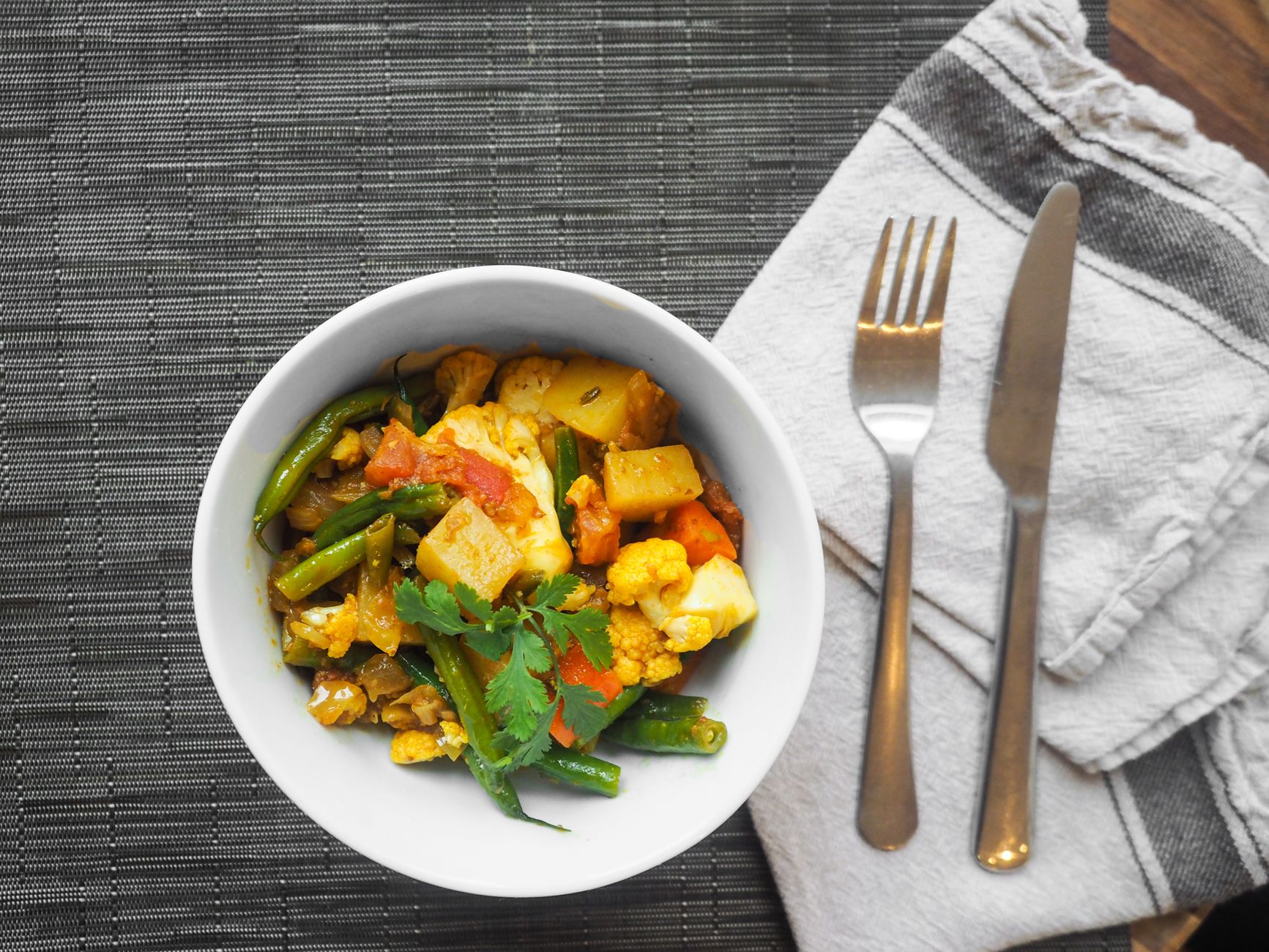
Curry is a diverse and flavorful dish that spans across various cuisines, with roots deeply embedded in South Asian cooking. Defined by its distinct combination of spices, curry can take on many forms, from rich and creamy sauces to vibrant, chunky stews. It’s a popular choice for those looking to explore bold flavors and satisfying meals.
This article will delve into the many aspects of curry: its definition, types, ingredients, and serving suggestions. Whether you’re a seasoned cook or a curious beginner, this guide will help you appreciate this beloved culinary staple.
Curry What Is It?
Curry is essentially a dish that features a variety of spices, herbs, and other ingredients to create a flavorful sauce or stew. The term ‘curry’ can refer to both the spice blend used in preparation and the finished dish itself. Often, it showcases a harmonious blend of flavors, textures, and aromas that are characteristic of specific cuisines, particularly Indian, Thai, and Caribbean.
Different Types of Curry
Understanding the different types of curry is essential for exploring this versatile dish. Curries can be broadly categorized into three styles:
- Indian Curry: Often characterized by complex spice blends, Indian curries can include varieties like tikka masala, korma, and vindaloo, with base ingredients such as tomatoes, yogurt, or cream.
- Thai Curry: Known for its vibrant flavors, Thai curry typically uses a base of coconut milk and fresh herbs like lemongrass and basil. Common types include green curry, red curry, and massaman curry.
- Caribbean Curry: Influenced by various cultures, Caribbean curries often incorporate ingredients like turmeric, allspice, and Scotch bonnet peppers, resulting in a unique fusion of flavors.
Essential Ingredients in Curry
When crafting curry, the choice of ingredients plays a crucial role. Here’s a breakdown of the key components:
Spices
The spice blend defines the flavor profile of curry. Common spices include:
- Cumin: Adds earthy, warm notes.
- Coriander: Offers citrusy, floral undertones.
- Turmeric: Provides a golden color and subtle bitterness.
- Garam Masala: A warm spice blend that enhances depth with cinnamon, cloves, and cardamom.
Base Ingredients
Curry often starts with a base of:
- Onions: Cooked until golden and sweet, they lay the foundation for flavor.
- Garlic and Ginger: These aromatics add a pungent kick and freshness.
- Tomatoes: Provide acidity and thickness, essential in many curries.
- Coconut Milk: Common in Thai curries, it adds creaminess and balances spice.
Proteins and Vegetables
Various proteins and vegetables can be included in curry dishes:
- Meat: Chicken, lamb, beef, and seafood are popular choices.
- Legumes: Lentils and chickpeas are excellent plant-based options.
- Vegetables: Potatoes, carrots, and spinach are common additions, providing nutrition and texture.
How to Make a Basic Curry
Now that we understand the essentials, let’s explore the method of making a basic curry. This recipe can be adapted based on available ingredients or personal preferences.
Yield: 4 servings
Preparation Time: 10 minutes
Cooking Time: 30 minutes
Total Time: 40 minutes
Ingredients
- 2 tablespoons vegetable oil
- 1 large onion, finely chopped
- 3 garlic cloves, minced
- 1-inch piece ginger, grated
- 2 teaspoons cumin seeds
- 2 teaspoons coriander powder
- 1 teaspoon turmeric powder
- 1 teaspoon garam masala
- 1 can (14 oz) diced tomatoes
- 1 can (14 oz) coconut milk
- 1 pound chicken, diced (or other protein/vegetables)
- Salt to taste
- Fresh cilantro for garnish
Equipment
- Large pot or Dutch oven
- Knife and chopping board
- Wooden spoon or spatula
- Measuring spoons
Method
- Heat the oil in a large pot over medium heat. Add the chopped onions and sauté for about 5 minutes, until they are translucent.
- Stir in the minced garlic and grated ginger, cooking for another 2-3 minutes until fragrant.
- Add the cumin seeds, coriander powder, turmeric, and garam masala to the pot, stirring for about 1 minute to toast the spices.
- Pour in the diced tomatoes and cook for 5-7 minutes, allowing the mixture to reduce slightly.
- Add the coconut milk and diced chicken (or other protein/vegetables), bringing everything to a boil.
- Reduce the heat to low and let it simmer for 15-20 minutes until the chicken is cooked and tender. Stir occasionally.
- Season with salt to taste, and garnish with fresh cilantro before serving.
Serving Ideas for Curry
Curry is incredibly versatile and can be enjoyed in various ways. Here are some serving suggestions:
- With Rice: Steamed basmati or jasmine rice complements curry beautifully, absorbing the flavors of the sauce.
- With Bread: Naan or roti can be used to scoop up the curry, adding a delightful texture contrast.
- In a Bowl: Serve curry over a bed of quinoa or cauliflower rice for a healthier option.
- With Yogurt: A dollop of yogurt on top can cool down the heat, adding creaminess.
Common Mistakes and Troubleshooting
Even the best cooks may run into issues when making curry. Here are some common mistakes to avoid:
- Using Low-Quality Spices: Fresh and high-quality spices improve flavor significantly, so always check their potency.
- Overcooking Vegetables: Add vegetables that take longer to cook first, such as potatoes, and quicker-cooking ones later to avoid mushy results.
- Not Balancing Flavors: Adjust spice levels, acidity, and sweetness to create a balanced flavor profile. Taste as you go!
Practical Substitutions for Curry
Cooking curry can accommodate various dietary preferences and ingredient availability. Here’s a quick reference for substitutions:
- Protein: Tofu or tempeh can replace chicken for a vegetarian alternative.
- Coconut Milk: Use vegetable broth or almond milk in place of coconut milk for a lighter version.
- Tomatoes: Tomato paste can substitute fresh tomatoes, though adjust the amount to avoid excessive thickness.
- Spices: If lacking specific spices, curry powder can serve as a substitute, though the flavor may differ.
Storing and Reheating Curry
Leftover curry can be a delicious meal for the next day! Here’s how to store and reheat it properly:
- Storage: Keep the curry in an airtight container in the refrigerator for up to 3-4 days.
- Freezing: Curry can also be frozen for up to 3 months. Thaw overnight in the refrigerator before reheating.
- Reheating: Heat the curry on the stovetop over medium-low heat, stirring occasionally, until heated through. Add a splash of water or stock if it’s too thick.
Variations of Curry
Curry’s versatility allows for many variations, making it fun to experiment:
Vegetarian Curry
Focus on beans, lentils, and a variety of vegetables for a hearty, meatless dish. Spice levels can be adjusted based on personal preference.
Seafood Curry
Incorporate shrimp, fish, or crab into the curry during the last few minutes of cooking to avoid overcooking. Coconut milk pairs particularly well with seafood.
Slow Cooker Curry
For a leisurely approach, combine all ingredients in a slow cooker and let it simmer throughout the day. The flavors meld beautifully over time.
Exploring Regional Variations
As curry has spread throughout the world, many regions have cultivated their own unique styles. Here are a few notable ones to look out for:
- Japanese Curry: Usually sweeter and thicker, often served with rice and pickled vegetables.
- Malaysian Curry: Infuses a mix of coconut and spice, often served with bread or rice.
- British Curry: Often milder and creamier, with recipes like chicken tikka masala becoming household names.
The Cultural Significance of Curry
More than just a meal, curry holds significant cultural importance in many societies. It often features prominently in family gatherings, celebrations, and regional festivals. The spices used can vary from region to region, reflecting local traditions and ingredients.
Many communities have also adapted curry to include indigenous ingredients or traditional cooking methods, creating a vast tapestry of variations that honor both local culture and global influence.
Next Steps in Your Curry Exploration
If you’re eager to continue your culinary journey with curry, consider trying specific recipes from different cuisines or experimenting with the base ingredients until you find your preferred flavor profile. Each attempt in the kitchen is an opportunity to learn and innovate!
For an exciting recipe to try, check out this shrimp curry recipe or learn more about the spice blend in our guide on what curry is.