
The first time I tasted authentic che Thai, I was transported to a bustling Bangkok night market by a single spoonful of those chewy tapioca pearls swimming in sweet coconut milk and fragrant pandanus syrup.
Che Thai is a beloved Southeast Asian dessert that deserves a permanent spot in your recipe rotation, especially once you realize how simple it truly is to recreate at home.
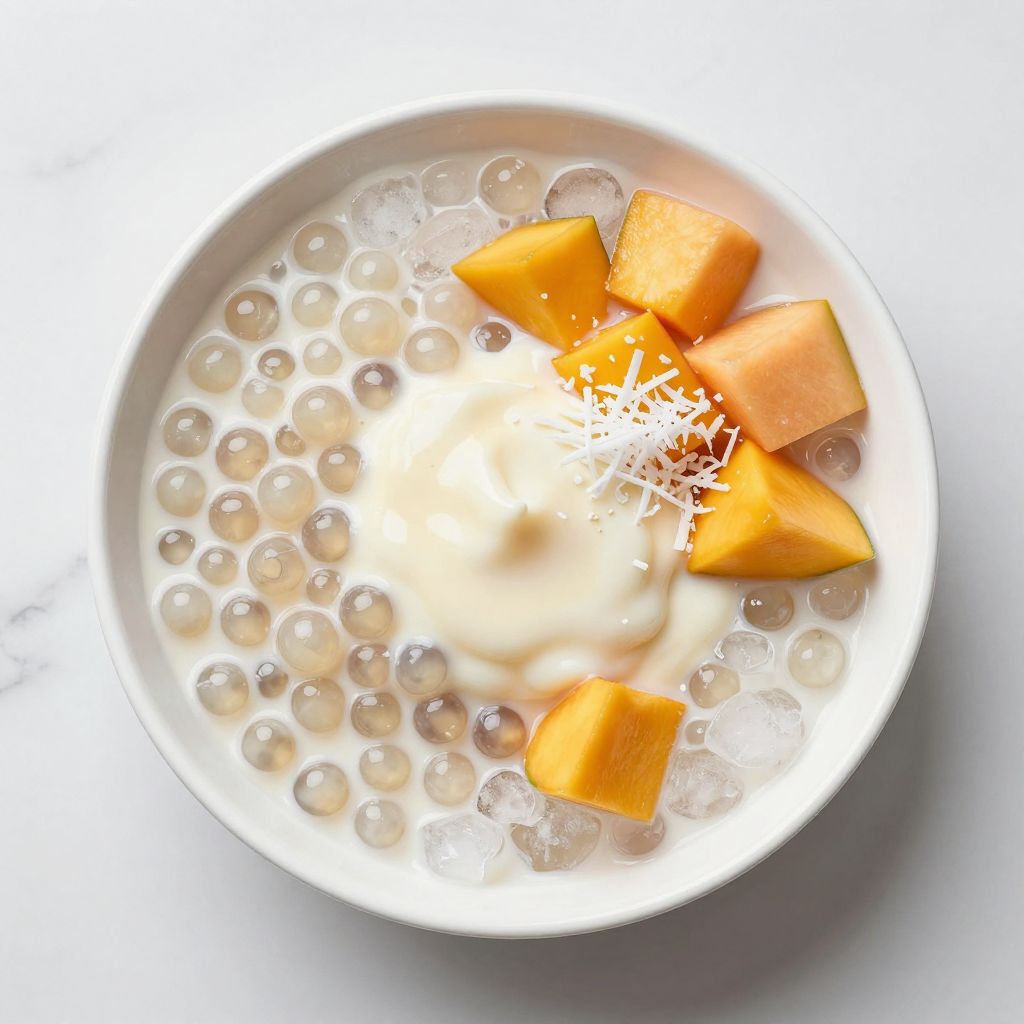
This no-bake, refreshingly cool treat combines tender tapioca pearls, fresh fruits, and a silky coconut custard that tastes like a vacation in a bowl.
What makes this recipe special is the balance of textures and flavors: chewy, crunchy, creamy, and floral all working together in perfect harmony.
Why You’ll Love This Recipe
Che Thai strikes that rare balance of being impressive enough to serve at dinner parties yet simple enough for a weeknight dessert craving.
- No baking required, making it perfect for hot summer days when you want to avoid heating up your kitchen.
- Most of the work is passive cooking time, so you can prep and then step away.
- Naturally vegetarian and can be made vegan with simple ingredient swaps.
- Keeps well in the refrigerator for several days, so you can make it ahead.
- Every spoonful delivers multiple textures and a subtle floral sweetness that feels elegant and unexpected.
My Experience Making This Recipe
I first learned to make che Thai from a Thai cooking class in Chiang Mai, where our instructor emphasized that patience with the tapioca is key to achieving that perfect chewy texture.
My kitchen filled with the smell of coconut milk and that distinctive fragrant pandanus extract, and I found myself smiling before even tasting the finished dessert.
When I served it to my family, the reactions were immediate: spoons clinking, satisfied sighs, and requests for the recipe written down before they left.
What surprised me most was how forgiving the recipe is; small timing variations didn’t ruin anything, and everyone loved it regardless.
Recipe Overview
- Recipe Name: Che Thai
- Servings: 4 to 6 servings
- Prep Time: 15 minutes
- Cook Time: 25 minutes
- Total Time: 40 minutes (plus 2 hours chilling)
- Course: Dessert
- Cuisine: Thai
- Calories per Serving: 185
Equipment You Will Need
- Medium saucepan
- Small saucepan
- Wooden spoon or silicone spatula
- Measuring cups and spoons
- Colander or fine mesh strainer
- Mixing bowl
- Whisk
- Serving bowls
Ingredients for Che Thai
For the Tapioca Base
- Small tapioca pearls: 1 cup
- Water: 6 cups
- Salt: 1/4 teaspoon
For the Coconut Custard
- Coconut milk (full-fat, canned): 1 and 1/2 cups
- Sweetened condensed milk: 1/2 cup
- Pandanus extract (or vanilla extract as a substitute): 1 teaspoon
- Salt: 1/8 teaspoon
For Serving
- Fresh fruit (mango, cantaloupe, or coconut): 2 cups, cut into small cubes
- Crushed ice: 1 to 2 cups
- Shredded coconut (optional): 2 tablespoons
Ingredient Notes and Substitutions
- Small tapioca pearls: These cook quickly and provide the chewy texture that defines che Thai. If you cannot find small pearls, use medium pearls and extend the cooking time by 5 to 10 minutes, stirring frequently to prevent sticking.
- Coconut milk: Full-fat canned coconut milk creates the rich, creamy base that makes this dessert special. Light coconut milk will result in a thinner, less satisfying custard.
- Pandanus extract: This green, floral flavoring is the authentic taste of che Thai and is available online or at Asian markets. Vanilla extract provides a familiar sweetness but loses the signature floral note that makes the dessert memorable.
- Fresh fruit: Mango and cantaloupe are traditional choices, but watermelon, papaya, or even fresh lychee work beautifully. Choose ripe, fragrant fruit for the best flavor contrast.
- Sweetened condensed milk: This sweetens and thickens the custard simultaneously. You can reduce it to 1/3 cup if you prefer a less sweet dessert, though the flavor will be more subtle.
How to Make Che Thai
Step 1: Prepare Your Workspace
Gather all ingredients and equipment before you begin so you are not scrambling mid-recipe. Having everything ready prevents the tapioca from overcooking while you hunt for the pandanus extract.
Step 2: Boil Water for the Tapioca
Fill a medium saucepan with 6 cups of water and bring it to a rolling boil over high heat. This generous amount of water ensures the tapioca pearls cook evenly and do not stick together.
Step 3: Cook the Tapioca Pearls
Slowly pour the small tapioca pearls into boiling water while stirring constantly with a wooden spoon. Stir for the first 2 minutes to prevent clumping, then continue cooking for 12 to 15 minutes until the pearls become translucent with just a tiny white dot remaining in the center.
The small white dot is the visual cue that the pearls are cooked perfectly; if you cook past this point, they will turn mushy.
Step 4: Drain and Rinse the Tapioca
Pour the cooked tapioca pearls into a colander and rinse them under cold running water until they cool completely and any starch residue washes away. This stops the cooking process and keeps the pearls from sticking together in a clump.
Set the cooled tapioca aside in a mixing bowl.
Step 5: Make the Coconut Custard
Pour the full-fat coconut milk and sweetened condensed milk into a small saucepan and whisk them together over low heat just until combined, about 2 to 3 minutes. You want the mixture warm enough to help the ingredients blend smoothly, but not hot enough to scald.
Do not let it simmer or boil, as excessive heat can cause the coconut milk to separate.
Step 6: Add Flavor and Salt
Remove the saucepan from heat and stir in the pandanus extract and salt until fully incorporated. Taste the mixture and adjust the sweetness or salt level if desired; remember that the fresh fruit and ice will mellow the flavors, so the custard should taste slightly sweet on its own.
Step 7: Chill the Components
Transfer the coconut custard to a bowl and refrigerate for at least 2 hours, ideally overnight, so it becomes cold and the flavors meld together beautifully. The tapioca pearls can remain at room temperature or chilled; both work fine.
Step 8: Assemble the Che Thai
Divide the cooled tapioca pearls evenly among serving bowls, then add a generous handful of crushed ice to each bowl. Top with the chilled coconut custard, then scatter fresh fruit cubes on top and sprinkle with shredded coconut if using.
Serve immediately while the ice is still cold and the textures are at their best.
Pro Tip: Make the custard the night before and chill it thoroughly; this allows the flavors to deepen and ensures the dessert is refreshingly cold when you serve it.
Tips for the Best Che Thai
- Watch the tapioca pearls carefully during the final few minutes of cooking; the difference between perfectly chewy and mushy is just 1 or 2 minutes.
- Use full-fat canned coconut milk from a reputable brand for the richest flavor; store brands sometimes water down the coconut content.
- Chill all your serving bowls in the freezer for 15 minutes before assembling so the dessert stays cold longer.
- Cut your fresh fruit into small, bite-sized pieces so you get a piece with every spoonful rather than large chunks that are hard to eat.
- If your crushed ice melts before serving, you can quickly re-chill the assembled bowls in the freezer for 10 minutes.
- Experiment with different fresh fruits based on the season; ripe mango in summer is ideal, but fall brings beautiful pear and apple options.
Common Mistakes to Avoid
- Overcooking the tapioca pearls turns them to mush instead of providing that signature chewy bite that makes che Thai so satisfying.
- Using light coconut milk instead of full-fat creates a thin, watery custard that tastes more like dessert soup than a proper che Thai.
- Skipping the ice makes the dessert lose its refreshing, cooling quality and changes the whole eating experience.
- Adding the pandanus extract while the custard is too hot can cause the delicate floral flavors to cook off and disappear.
- Not cutting the fresh fruit small enough forces diners to chase down large chunks and disrupts the smooth flow of eating.
Serving Suggestions
Che Thai works beautifully as a standalone dessert after a spicy Thai dinner, offering a cooling contrast to heat and richness. You can also serve it at brunch gatherings, potlucks, or summer picnics where its no-bake nature is a huge advantage.
- Pair it with Thai iced tea for a classic combination that enhances both beverages.
- Serve alongside fresh spring rolls or other light appetizers at a Thai dinner party.
- Offer it as the finale after a spicy coconut curry to cool and soothe the palate.
- Bring it to summer gatherings in a chilled container; it travels beautifully and stays good for hours.
- Combine it with a small cup of strong coffee for a sweet, creamy dessert experience.
Variations to Try
- Brown sugar version: Replace the sweetened condensed milk with 1/3 cup brown sugar stirred into the coconut milk, then add a splash of vanilla for depth. This creates a richer, more caramel-like sweetness.
- Fruit juice reduction: Use freshly squeezed mango or passion fruit juice mixed with the coconut milk for a fruity custard that complements the fresh fruit toppings beautifully.
- Pandan chiffon topping: Layer whipped coconut cream on top instead of just custard for an airy, mousse-like texture that adds elegance.
- Mixed tapioca and sago: Combine small tapioca pearls with sago pearls for varied textures and a more complex mouthfeel.
- Spiced version: Add a pinch of cardamom or a tiny amount of cinnamon to the custard for warmth and sophistication that complements tropical fruits.
Dietary Adaptations
- Gluten-free: Small tapioca pearls are naturally gluten-free, and all other ingredients are typically naturally free of gluten, making this dessert safe for those with celiac disease or gluten sensitivity.
- Dairy-free: Replace sweetened condensed milk with 1/2 cup of a dairy-free sweetened milk alternative or light coconut milk thickened with 1 tablespoon of cornstarch, though the custard will be slightly less rich.
- Vegan: Use full-fat coconut milk for both components and substitute sweetened condensed milk with an equal amount of maple syrup or agave nectar mixed with a bit more coconut milk to achieve the right consistency.
- Low-carb or keto: Replace tapioca pearls with shirataki noodles cut into small pieces, and use erythritol instead of sweetened condensed milk; the texture will differ but remains satisfying.
Storage and Reheating
Refrigerator
Store cooked tapioca pearls and the coconut custard separately in airtight containers for up to 4 days. The fresh fruit is best used the same day it is cut, but can keep refrigerated for 1 day.
- Keep the custard in a sealed container so it does not absorb refrigerator odors.
- Store fruit in a separate container to prevent it from becoming waterlogged.
Freezer
The cooked tapioca pearls freeze reasonably well for up to 1 month in a freezer-safe container, though the texture becomes slightly grainier upon thawing. The custard does not freeze well because the coconut milk separates, so it is not recommended for freezing.
- Thaw frozen pearls in the refrigerator overnight before using.
- Fresh fruit is best frozen on a sheet tray before transferring to containers to prevent clumping.
Reheating
Che Thai is meant to be served cold, so no reheating is necessary. Simply assemble the components fresh each time you want to serve it.
- If the custard has been refrigerated and feels too thick, whisk in 1 to 2 tablespoons of coconut milk to loosen it slightly.
- Make sure the tapioca pearls are cold before assembly by chilling them for 30 minutes if they have been sitting at room temperature.
Nutrition Information
| Nutrient | Amount |
|---|---|
| Calories | 185 |
| Total Fat | 8 grams |
| Saturated Fat | 7 grams |
| Carbohydrates | 28 grams |
| Fiber | 1 gram |
| Sugar | 20 grams |
| Protein | 1 gram |
| Sodium | 95 milligrams |
| Cholesterol | 3 milligrams |
Nutritional values are approximate and based on a serving size of 1/5 of the total recipe using standard ingredients. Actual values vary based on the specific brands you use and your exact portion sizes.
Frequently Asked Questions
Can I use instant tapioca instead of small pearls?
Instant tapioca cooks in just 5 minutes and produces a different texture: softer and less chewy than traditional small pearls. If you must use it, follow the package directions and expect a more pudding-like consistency rather than distinct chewy pearls.
What if I cannot find pandanus extract?
Vanilla extract works as a substitute and delivers pleasant vanilla sweetness, though you lose the distinctive floral note that makes authentic che Thai special. You can also order pandanus extract online from Asian grocery websites and have it shipped to your home.
Can I make this dessert ahead for a party?
Yes, you can prepare the tapioca pearls and custard up to 2 days ahead, storing them separately in the refrigerator. Assemble the bowls no more than 30 minutes before serving so the ice stays frozen and the textures remain distinct.
Why does my tapioca turn mushy even though I remove it when it looks translucent?
Residual heat from the hot water continues cooking the pearls after you drain them, which is why immediate rinsing under cold water is crucial. You may also be cooking them for too long; try removing them 1 minute earlier than you think you should.
Is there a way to make this less sweet for my taste?
Reduce the sweetened condensed milk to 1/4 cup and increase the regular milk or a milk alternative to maintain the proper consistency. You can also use unsweetened coconut milk and sweeten with just 2 to 3 tablespoons of maple syrup or coconut sugar for more control over sweetness.
Can I use frozen fruit instead of fresh?
Frozen fruit becomes mushy when thawed and releases excess liquid into the bowl, diluting the custard. Fresh fruit is always better, but if frozen is your only option, thaw it gently and drain away excess liquid before adding it to the bowls.
Final Thoughts
Che Thai is proof that the simplest recipes often deliver the most joy, requiring just a handful of ingredients and a bit of patience to create something restaurant-worthy. This dessert reminds me why I love Thai cuisine: it respects balance and texture in ways that feel both comforting and exciting.
Give this recipe a try and experience that cool, creamy, chewy combination that has captivated people across Southeast Asia for generations. Your summer gatherings and dinner parties will taste all the better for it.
If you fall in love with tropical desserts, you might also enjoy exploring refreshing options like mango sago recipe for another easy, crowd-pleasing treat. And if you want to balance your dessert course with something savory, thai cucumber salad recipe makes a perfect palate cleanser that pairs beautifully alongside any Thai meal.
Che Thai
Ingredients
Equipment
Method
- Gather all ingredients and equipment before you begin to ensure a smooth cooking process.
- In a medium saucepan, bring 6 cups of water to a rolling boil over high heat.
- Slowly add 1 cup of small tapioca pearls to the boiling water, stirring constantly with a wooden spoon for 2 minutes to prevent clumping.
- Continue cooking the tapioca pearls for 12 to 15 minutes, stirring occasionally, until the pearls turn translucent with a tiny white dot in the center.
- Drain the cooked tapioca pearls in a colander and rinse under cold running water until cool to stop the cooking process and remove excess starch.
- In a small saucepan over low heat, whisk together 1½ cups of full-fat coconut milk and ½ cup sweetened condensed milk for 2 to 3 minutes until just warm and fully combined.
- Remove the custard from heat and stir in 1 teaspoon pandanus extract and ⅛ teaspoon salt until evenly incorporated, then taste and adjust sweetness if desired.
- Transfer the coconut custard to a bowl, cover, and refrigerate for at least 2 hours or preferably overnight until thoroughly chilled.
- Divide the cooled tapioca pearls evenly among serving bowls and add 1 to 2 cups of crushed ice to each bowl.
- Pour the chilled coconut custard over the tapioca and ice, then top with 2 cups of mixed fresh fruit cubes and sprinkle 2 tablespoons of shredded coconut if using.
- Serve immediately to enjoy the contrast of chewy, creamy, and icy textures.