
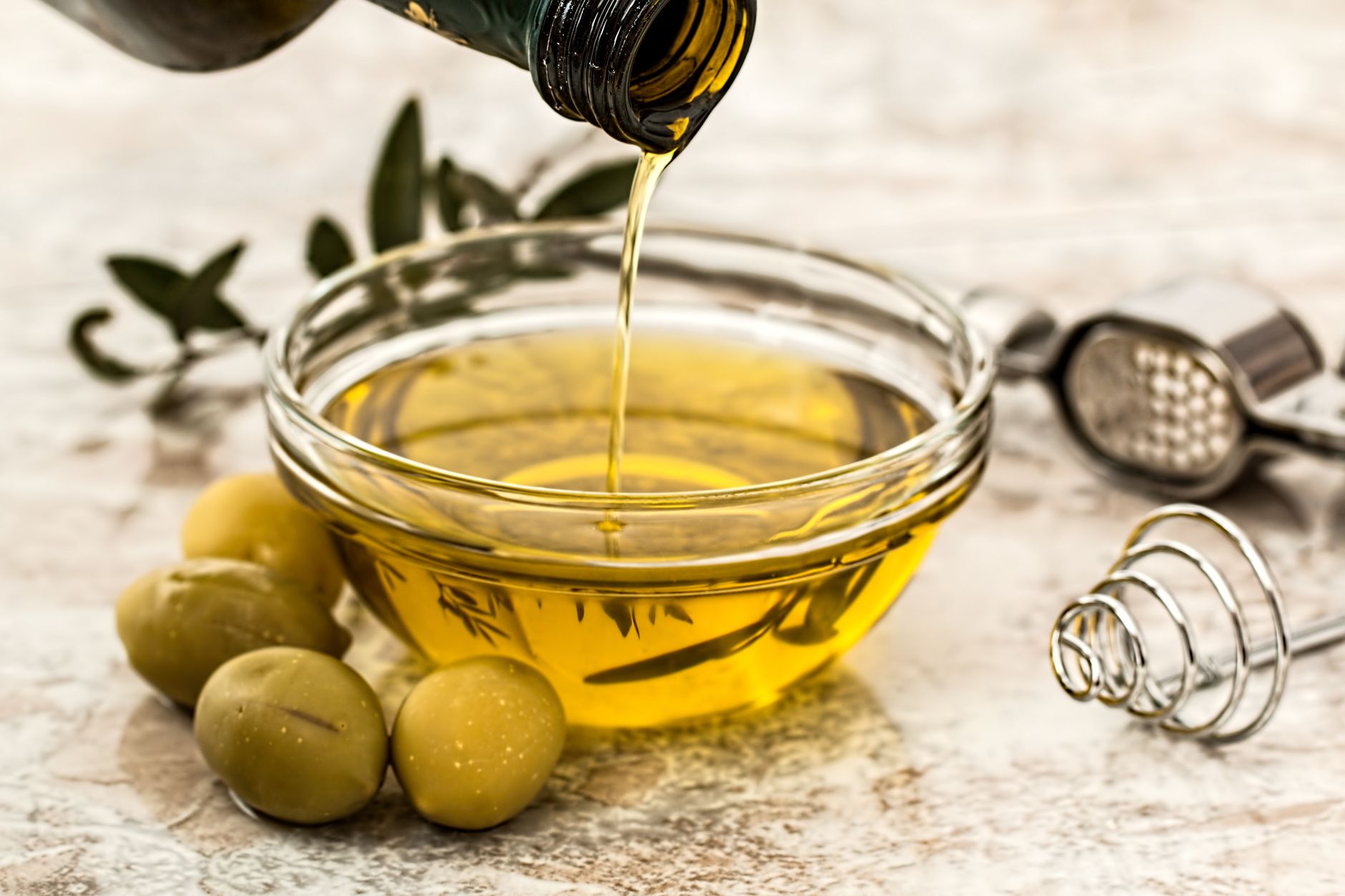
Cooking often involves substitutions, whether due to availability, budget constraints, or dietary preferences. One common question that arises is whether vegetable oil can be used instead of olive oil. This article will explore the characteristics of both oils, their uses in cooking, and practical guidance on how to substitute them effectively.
Both vegetable oil and olive oil have their own unique benefits and flavors, which means understanding their differences can help you make an informed decision when cooking. Let’s delve into when and how you can swap one for the other.
Can You Use Vegetable Oil Instead of Olive Oil?
Yes, you can use vegetable oil instead of olive oil in most cooking and baking applications. However, the flavor, smoke point, and health benefits may vary significantly between the two. Vegetable oil is generally neutral in taste, while olive oil has a distinct flavor that can enhance certain dishes.
Understanding Vegetable Oil and Olive Oil
Before you make any substitutions, it’s important to understand the properties of both oils. Here’s a breakdown of their characteristics:
What is Vegetable Oil?
Vegetable oil is a generic term that often refers to a blend of different plant-derived oils, such as canola, soybean, or corn oil. Its neutral flavor and high smoke point make it a versatile choice for frying, baking, and sautéing. The smoke point of typical vegetable oil can range from 400°F to 450°F (204°C to 232°C).
What is Olive Oil?
Olive oil is derived from pressed olives and is packed with flavor and nutritional benefits. It comes in various grades, including extra virgin, virgin, and pure, each with different flavor profiles and smoke points. Extra virgin olive oil typically has a smoke point of around 375°F (191°C), making it ideal for dressings, dips, and light cooking.
Flavor Profile
When substituting vegetable oil for olive oil, consider the impact on the dish’s flavor. Vegetable oil’s neutral taste won’t alter the flavor profile of your meal, while olive oil can add a rich, fruity, or peppery note. This difference may be noticeable in dressings, marinades, or drizzles where olive oil’s aroma is a crucial component.
Cooking Applications
Understanding when to use each oil can also depend on the cooking method you choose. Here’s how both oils fare in various applications:
Frying
Both vegetable oil and olive oil can be used for frying, but due to its higher smoke point, vegetable oil is often preferred for deep frying. Olive oil can be used for shallow frying or sautéing, but it should not be heated beyond its smoke point to avoid bitterness.
Baking
You can replace olive oil with vegetable oil in baking recipes without any problem. The neutral flavor of vegetable oil won’t alter the final product, making it ideal for cakes, muffins, and quick breads. Always use in a 1:1 ratio when substituting.
Salads and Dressings
In salad dressings, using olive oil is often essential for achieving the expected flavor. If substituting with vegetable oil, consider adding herbs or acid (such as vinegar or lemon juice) to enhance the overall flavor of the dressing.
Sautéing
For light sautéing where flavor is key, olive oil is generally preferred for its rich taste. However, if you are cooking at high heat or are concerned about oil flavor, vegetable oil can work well.
Practical Substitution Ratios
When replacing olive oil with vegetable oil, the basic guideline is to use the same amount in recipes that call for olive oil. For instance:
- 1 tablespoon olive oil = 1 tablespoon vegetable oil
- 1 cup olive oil = 1 cup vegetable oil
This direct substitution principle simplifies the cooking process. However, keep in mind the potential changes in flavor, especially in cold dishes like salads.
Health Considerations
Both oils have different health profiles. Olive oil, especially extra virgin, is rich in monounsaturated fats and antioxidants, and has been linked to various health benefits, including heart health. In contrast, many vegetable oils are higher in polyunsaturated fats and omega-6 fatty acids, which can be beneficial but are often consumed in excess in Western diets.
When substituting oils, it is essential to be aware of these nutritional differences, especially if health is a priority.
Common Cooking Mistakes
When substituting vegetable oil for olive oil, there are several typical mistakes to avoid:
- Using the wrong type of vegetable oil: Not all vegetable oils are equal. Canola oil is a safe bet for a neutral flavor, while oils like corn or peanut oil may have distinct tastes.
- Overheating the oil: If using olive oil for frying, ensure you don’t heat it past its smoke point, as it can lead to a burnt flavor.
- Ignoring the flavor: In recipes where olive oil enhances flavor, substituting with vegetable oil may result in a bland dish.
How to Choose Between Vegetable Oil and Olive Oil
The choice between vegetable oil and olive oil often comes down to the specific dish and cooking method you are using. Consider the following factors:
- Flavor: If a recipe relies heavily on the unique flavor of olive oil, it’s best not to substitute it.
- Cooking Temperature: Choose vegetable oil for high-temperature cooking. Save olive oil for drizzling and general everyday cooking.
- Health Benefits: Opt for olive oil for its nutritional advantages if that’s a priority for you.
How to Store Oils
Proper storage can extend the shelf life of both vegetable oil and olive oil. Here are the best practices for storing these oils:
- Keep Away from Light: Store both oils in a cool, dark place to prevent them from becoming rancid.
- Use Sealed Containers: Use bottles or containers with tight seals to limit exposure to air.
- Check Expiration Dates: Always check expiration dates and consume oils within their recommended timeframe.
Conclusion
Using vegetable oil instead of olive oil is a practical and often effective substitution in many recipes. However, understanding the distinct characteristics of each oil will help you make the best choice for your cooking needs. Always consider the impact on flavor and health when making your decision.
For your next cooking venture, let’s explore some related topics! Check out how to substitute avocado oil for olive oil and learn how to use canola oil instead of vegetable oil. Happy cooking!