
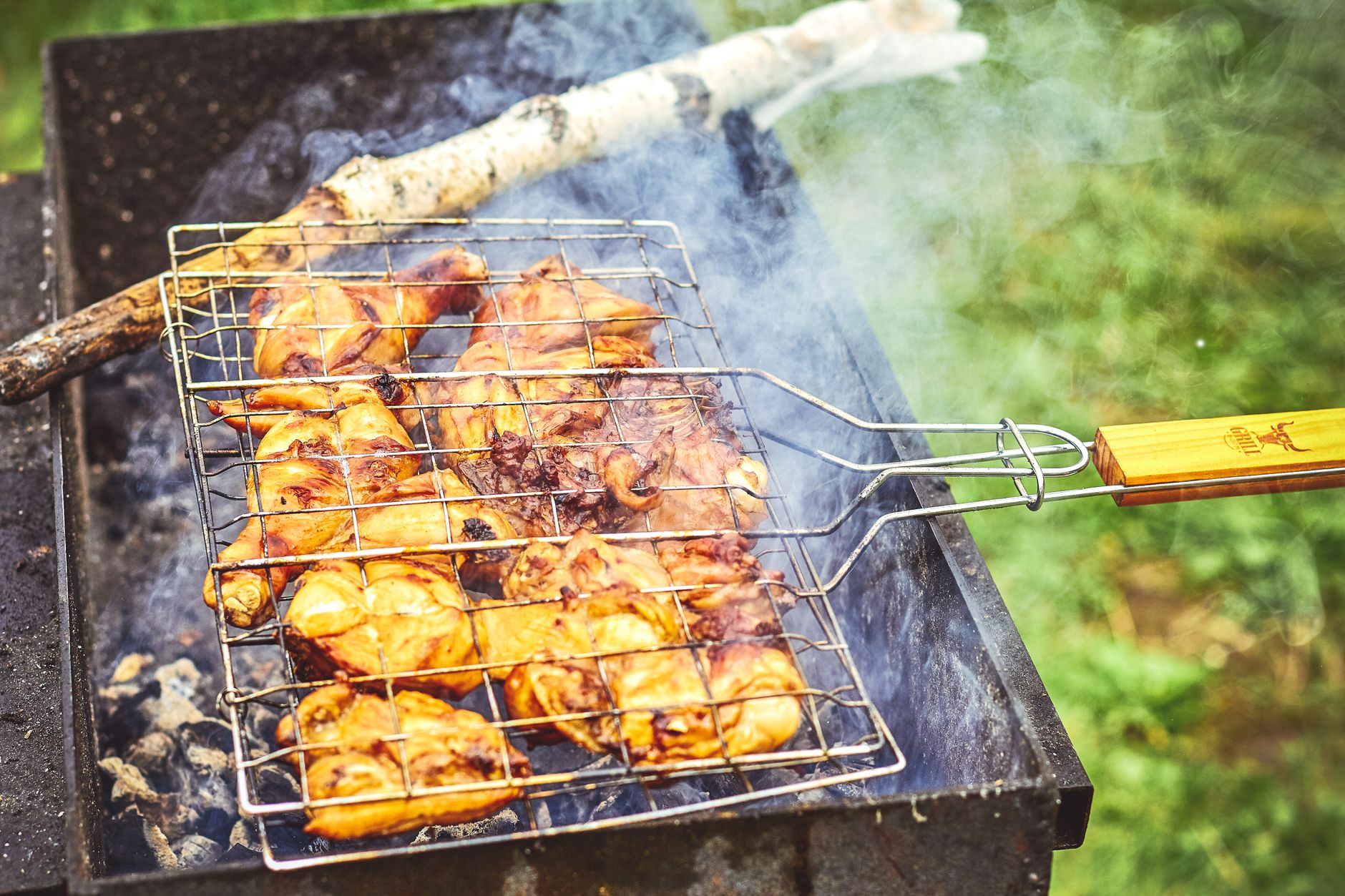
Defrosting chicken safely can be a delicate process, but what happens if you find yourself with leftover defrosted chicken? Can you refreeze it? Understanding food safety and efficient storage techniques is critical to preventing waste while ensuring the safety of your meals.
In this guide, we will explore the nuances of refreezing defrosted chicken, including how to defrost it safely, the necessary steps to take if you plan on refreezing, and tips to maintain its quality when cooking. Let’s dive in.
Can You Refreeze Defrosted Chicken?
Yes, you can refreeze defrosted chicken, but there are some important guidelines to follow to ensure it remains safe to eat and maintains a good quality. The critical factor is how the chicken has been defrosted—whether in the refrigerator, under cold water, or in the microwave—since each method influences the potential for refreezing.
Understanding Chicken Defrosting Methods
To determine whether or not you can refreeze chicken, it’s essential to understand the different methods of defrosting and how each affects the safety and quality of the chicken.
1. Refrigerator Thawing
Defrosting chicken in the refrigerator is the safest method. It allows the chicken to thaw gradually at a safe temperature, generally below 40°F (4°C).
- This method keeps the chicken at a safe temperature, preventing bacterial growth.
- Once defrosted, chicken can remain in the fridge for an additional 1-2 days before cooking.
- If you decide not to cook the chicken within that timeframe, you can refreeze it without concern.
2. Cold Water Thawing
Thawing chicken under cold running water is a quicker method.
- Ensure the chicken is sealed in a leak-proof bag to prevent water from getting in.
- This method should only be used for immediate cooking.
- If the chicken has been thawed this way, it is safe to refreeze as long as it is cooked immediately.
3. Microwave Thawing
Using a microwave to defrost chicken can be convenient but requires special attention.
- Microwave defrosting often leads to uneven thawing, and some parts may start to cook.
- If you choose this method, cook the chicken immediately after thawing.
- Refreezing raw chicken thawed in the microwave is not recommended unless it is cooked first.
Food Safety Considerations
When it comes to chicken, food safety is paramount to avoid foodborne illnesses. Here are important points to consider regarding defrosting and refreezing chicken:
- Always defrost chicken in the refrigerator for optimal safety.
- Chicken that has been thawed at room temperature should not be refrozen.
- If chicken has been cooked after thawing, it can be safely refrozen.
- Use a food thermometer to ensure the internal temperature reaches at least 165°F (74°C) when cooking chicken.
Best Practices for Refreezing Chicken
If you’ve decided to refreeze defrosted chicken, following best practices can maintain its quality and ensure safety.
1. Cool It Down
If you’ve cooked chicken after thawing, let it cool down to room temperature but do not allow it to sit out for more than two hours.
2. Package Properly
To maintain quality when refreezing chicken:
- Use airtight containers or freezer bags to minimize exposure to air and prevent freezer burn.
- If using a freezer bag, try to remove as much air as possible before sealing.
- Label the package with the date and type of chicken to keep track of storage time.
3. Limit Refreezing
Repeated freezing and thawing can degrade the texture and flavor of chicken. If possible, consume refrozen chicken within four months for optimal taste, although it remains safe beyond that timeframe if stored properly.
How to Properly Thaw Chicken Before Cooking
When planning to cook chicken, it’s crucial to thaw it properly to ensure an even cook and maintain safe temperatures throughout the food.
1. Refrigerator Thawing Steps
This method takes the longest but is best for food safety:
- Plan ahead and place the chicken in the refrigerator the night before you plan to cook it.
- Ensure the chicken is in a leak-proof container to catch any juices.
- After the chicken has thawed, check for any signs of spoilage before cooking.
2. Cold Water Thawing Steps
When time is critical:
- Seal the chicken in a leak-proof bag.
- Submerge it in cold water, changing the water every 30 minutes to keep the temperature low.
- Cook the chicken immediately after thawing.
3. Microwave Thawing Steps
For the quickest method:
- Use the defrost function of your microwave, depending on the weight of the chicken.
- Rotate the chicken as it thaws to ensure even heating.
- Cook immediately after defrosting.
Maintaining Chicken Quality: Tips and Tricks
To preserve the texture and flavor of chicken, consider the following suggestions:
- Do not thaw chicken on the counter; always use safe defrosting methods.
- While refreezing is allowed, try to minimize the number of times you freeze and thaw to prevent degradation of quality.
- Season and marinate the chicken after thawing but before cooking to enhance flavor.
Common Mistakes to Avoid
Understanding potential errors can help you store and prepare chicken more safely:
- Never refreeze chicken that has been left out at room temperature for too long as it poses a serious health risk.
- Do not store chicken in the fridge for more than 1-2 days after thawing in the refrigerator.
- Avoid wrapping chicken loosely; always use airtight materials to prevent freezer burn.
Conclusion and Next Steps
Refreezing defrosted chicken is permissible if you adhere to specific guidelines and methods to ensure both safety and quality. Opt for refrigerator thawing whenever possible and be mindful of how many times you refreeze. Always prioritize food safety to enjoy your chicken without concerns.
For more insights into poultry storage and timing, check out our guides on how long is chicken good for in the fridge, and learn about freezing cooked chicken for added convenience in meal prep.