
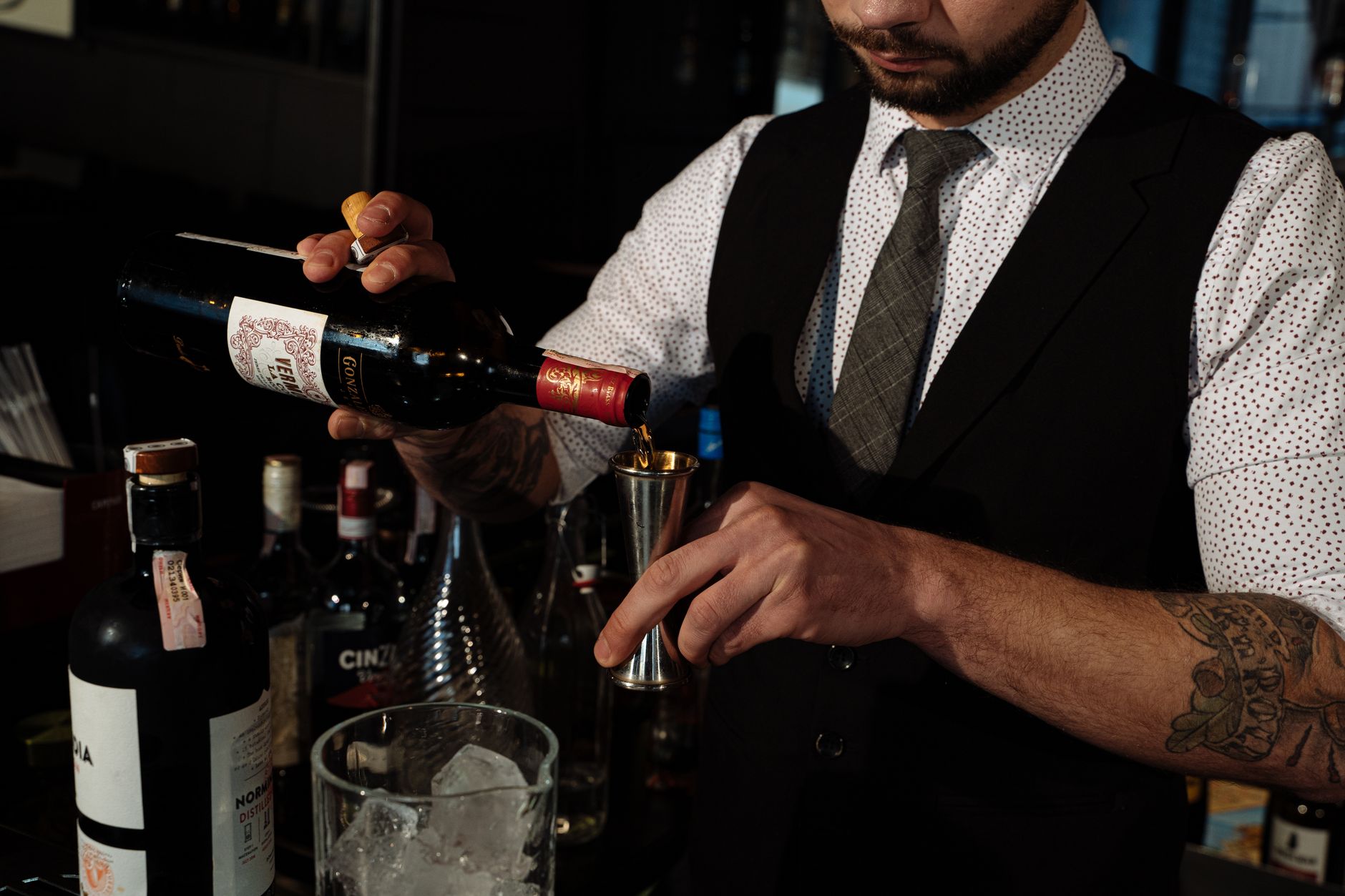
Mixing wine and liquor has spurred a debate among drink enthusiasts and casual drinkers alike. Some believe that combining these two beverages is a recipe for disaster, while others enjoy the complex flavors that arise from their union. In this article, we will explore the implications of mixing wine and liquor, the best practices for doing so, and some delicious cocktail ideas that incorporate both.
Understanding the characteristics of wine and liquor is essential to create balanced and enjoyable drinks. We’ll also discuss safety considerations, flavor combinations, and the reasons you might want to mix these two types of beverages in cocktails. By the end, you’ll have a solid grasp of whether or not you can mix wine and liquor—and how to do it effectively.
Can You Mix Wine and Liquor?
Yes, you can mix wine and liquor! Combining these two alcoholic beverages can create unique flavor profiles and enhance your cocktails. However, it’s essential to do so carefully to maintain balance and to be mindful of how the combination may affect your tolerance.
Understanding the Basics of Wine and Liquor
Before diving into mixing, it’s helpful to understand what you are dealing with. Here’s a brief overview of both beverages:
Characteristics of Wine
- Origin: Wine is made from fermented grapes or other fruits.
- Alcohol Content: Typically between 8% to 15% ABV (alcohol by volume).
- Flavor Profile: Can vary widely depending on the grape variety, region, and winemaking methods but generally includes fruity, floral, earthy, and spicy notes.
Characteristics of Liquor
- Origin: Liquor, also known as spirits, is distilled from grains, fruits, or vegetables.
- Alcohol Content: Usually higher than wine, typically between 20% to 50% ABV.
- Flavor Profile: Stronger and often more intense flavors, including sweet, herbal, spicy, and smoky notes depending on the type (vodka, gin, whiskey, rum, etc.).
Mixing Considerations
While mixing wine and liquor can be done, there are some critical considerations to ensure a pleasant drinking experience:
Flavor Compatibility
When mixing wine with liquor, it is crucial to match flavors. Strong, bold flavors generally work better together. For example, a rich red wine can blend well with whiskey, while a light white wine might pair nicely with vodka. Consider the following combinations:
- Red Wine + Whiskey: The depth of the whiskey complements the existing flavors in the wine.
- White Wine + Vodka: The lightness of the vodka enhances the crispness of the wine.
- Rosé + Gin: The floral notes of the gin match the fruity flavors of rosé.
Alcohol Tolerance
One of the most important considerations when mixing wine and liquor is alcohol tolerance. Mixing drinks can lead to increased intoxication more quickly than consuming each separately. Always know your limits and drink responsibly.
Temperature Considerations
Temperature can affect how the drink tastes. Generally, wine is served chilled, while many liquors are served at room temperature or chilled. Try to keep the wine chilled when mixing with spirits to maintain a refreshing balance.
Popular Wine and Liquor Cocktails
Now that we’ve established that mixing wine and liquor is possible, let’s explore some cocktail recipes that successfully bring these beverages together.
1. Black Manhattan
The Black Manhattan is a sophisticated cocktail that pairs whiskey with sweet vermouth, creating a smooth and rich flavor profile.
- Servings: 1 cocktail
- Preparation Time: 5 minutes
Ingredients
- 2 oz rye whiskey
- 1 oz sweet vermouth
- 2 dashes Angostura bitters
- 1 dash orange bitters
- Ice
- Orange twist or cherry (for garnish)
Essential Equipment
- Mixing glass
- Bar spoon
- Strainer
- Jigger
- Cocktail glass
Method
- Fill a mixing glass with ice.
- Pour in the rye whiskey, sweet vermouth, and both bitters.
- Stir well for about 30 seconds until chilled.
- Strain into a chilled cocktail glass.
- Garnish with an orange twist or a cherry.
2. Dirty Shirley
The Dirty Shirley is both playful and refreshing, combining soda and a splash of wine for a new twist on a classic favorite.
- Servings: 1 cocktail
- Preparation Time: 5 minutes
Ingredients
- 1 oz vodka
- 1 oz grenadine
- 3 oz lemon-lime soda
- 1 oz white or rosé wine
- Ice
- Maraschino cherry (for garnish)
Essential Equipment
- Cocktail shaker
- Tall glass
Method
- Fill a tall glass with ice.
- Pour in the vodka and grenadine.
- Top with lemon-lime soda and a splash of wine.
- Stir gently to combine.
- Garnish with a maraschino cherry.
Practical Tips for Mixing Wine and Liquor
As you experiment with mixing wine and liquor, keep these tips in mind:
- Start Small: If you’re unsure about a combination, start with smaller quantities to test flavors before committing to larger drinks.
- Balance Sweetness and Acidity: If a wine is very sweet, consider using a drier spirit to balance it out, or vice versa.
- Garnishes: Fresh herbs, citrus peels, or seasonal fruits can enhance the overall experience and add aromatic qualities.
- Experiment: The world of mixing drinks is vast; don’t be afraid to try different combinations!
Common Mistakes When Mixing Wine and Liquor
To achieve a well-balanced cocktail, you should be aware of these common pitfalls:
- Over-mixing: Stirring too much can dilute the flavors. Aim for a gentle stir to combine ingredients.
- Ignoring Texture: Pay attention to the mouthfeel of your drinks. Mixing heavy wines with light spirits can create an off-putting texture.
- Neglecting Temperature: A cocktail can become unappealing if served at the wrong temperature. Keep components chilled appropriately.
Safety Considerations
When mixing wine and liquor, safety should be a primary concern. Here are key points to remember:
- Know Your Limits: Mixing different types of alcohol can lead to quicker intoxication, so it’s essential to monitor your consumption.
- Stay Hydrated: Drink water between alcoholic beverages to help mitigate the potential effects of mixing drinks.
- Be Mindful of Serving Size: Pay attention to how much alcohol you’re consuming with each drink; even mixed cocktails can pack a punch!
Storing Wine and Liquor
Proper storage of wine and liquor can ensure that they maintain their quality for cocktail mixing:
Wine Storage
Wine should be stored in a cool, dark place away from direct sunlight and temperature fluctuations. Ideal conditions include a temperature between 50°F and 58°F. Once opened, white wine usually lasts 3-5 days in the refrigerator, while red wine can last for up to a week.
Liquor Storage
Liquors can typically be stored at room temperature, away from sunlight. While they do not spoil, they can lose flavor over time. Once opened, they should maintain quality for about one year, although high-proof spirits can last significantly longer.
Conclusion
Mixing wine and liquor is not only possible but can lead to creative and enjoyable cocktails. By understanding flavor profiles, alcohol tolerance, and proper mixing techniques, you can craft drinks that are both unique and delicious. Don’t hesitate to play around with different combinations and find what works best for you.
For more delicious cocktail inspiration, check out the Black Manhattan recipe or try making a Dirty Shirley. Explore your options and enjoy the experience of mixing wine and liquor responsibly!