
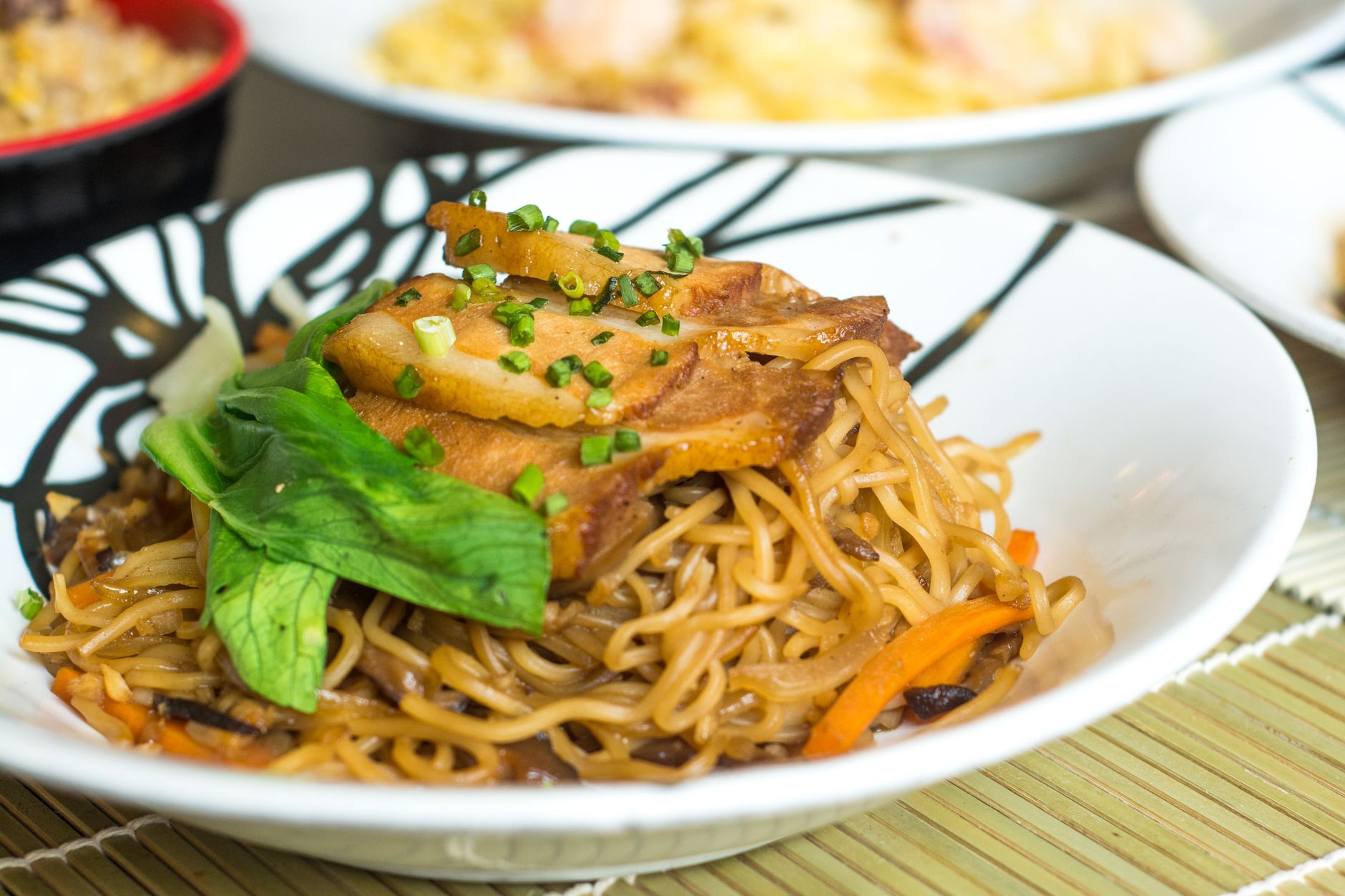
Mu Shu Pork is a classic dish from Northern China, featuring a delightful combination of tender pork, crisp vegetables, and savory flavors, all wrapped in delicate pancakes. This dish is not only satisfying but also a fun and interactive dining experience.
In this article, we will explore Mu Shu Pork in detail, including its ingredients, flavor profile, cooking techniques, and how to serve it effectively. Whether you are a seasoned cook or trying your hand at this dish for the first time, you’ll find practical insights to guide you through.
What Is Mu Shu Pork?
Mu Shu Pork is a traditional Chinese dish made with stir-fried pork and a variety of vegetables, typically served with thin pancakes or rice. The dish’s distinctive flavor comes from a mix of fresh ingredients and traditional seasonings, like soy sauce and sesame oil.
Ingredients for Mu Shu Pork
When preparing Mu Shu Pork, the quality and selection of ingredients are crucial. Here is a comprehensive list of what you will need:
- 1 pound of pork tenderloin, thinly sliced
- 1 cup of cabbage, shredded
- 1 cup of shiitake mushrooms, sliced (or substitute with button mushrooms)
- 1 carrot, julienned
- 2 green onions, chopped
- 2 cloves garlic, minced
- 2 inches fresh ginger, minced
- 2 tablespoons soy sauce
- 1 tablespoon oyster sauce
- 1 tablespoon sesame oil
- 2 tablespoons vegetable oil for cooking
- 8 to 10 Chinese pancakes or tortillas (for serving)
- 1 egg, beaten (optional, for a richer filling)
Flavor Profile of Mu Shu Pork
The flavor of Mu Shu Pork is a harmonious blend of sweet, savory, and umami tastes. The combination of tender pork, fresh vegetables, and soy sauce creates a rich, balanced sensation in every bite. Here are some flavor highlights:
- Pork: Offers a savory and slightly sweet base.
- Vegetables: The cabbage, mushrooms, and carrots provide freshness and texture.
- Sauces: Soy sauce delivers umami, while oyster sauce adds depth and richness.
- Ginger and Garlic: These ingredients lend aromatic flavors with a bit of spice.
- Sesame Oil: Adds a nutty finish that ties the dish together.
Cooking Technique for Mu Shu Pork
The cooking method for Mu Shu Pork is relatively straightforward, involving stir-frying for quick cooking and optimal flavor retention. Here are the key steps involved in making this dish:
- Preparation: Begin by thinly slicing the pork tenderloin and preparing all your vegetables. Ensure everything is evenly cut to allow for quick and uniform cooking.
- Marinating the Pork: In a bowl, combine the sliced pork with soy sauce and a splash of sesame oil. Let it marinate for at least 15-20 minutes.
- Cooking the Pork: Heat one tablespoon of vegetable oil in a wok or a large skillet over medium-high heat. Add the marinated pork and stir-fry until it’s no longer pink (about 2-3 minutes). Remove the pork and set it aside.
- Stir-Frying the Vegetables: In the same pan, add another tablespoon of oil, then toss in the garlic and ginger. Stir-fry for about 30 seconds until fragrant. Next, add the cabbage, mushrooms, and carrots. Cook until the vegetables are crisp-tender (approximately 3-4 minutes).
- Combining and Finalizing: Return the cooked pork to the pan. Stir in the oyster sauce and any leftover marinade, tossing everything together. If using, pour in the beaten egg and scramble it until fully cooked.
- Serving: Serve the filling hot, accompanied by pancakes or tortillas, letting diners wrap their own.
How to Serve Mu Shu Pork
Mu Shu Pork is traditionally served alongside thin pancakes, which are used to wrap the stir-fried filling. Here are various serving suggestions to enhance your dining experience:
- Pancakes: Use traditional Chinese pancakes (similar to tortillas) for wrapping. You can warm them in a pan or steamer before serving.
- Garnishes: Consider garnishing with fresh cilantro or additional chopped green onions for added flavor.
- Optional Sides: Serve with jasmine rice or a fresh cucumber salad for a balanced meal.
- Dipping Sauce: A light soy sauce or hoisin sauce can be provided for dipping.
Practical Substitutions and Variations
Mu Shu Pork can be adjusted based on dietary preferences or ingredient availability. Here are some savvy substitutions:
- Protein Alternatives: Substitute pork with chicken, beef, tofu, or even shrimp for a different take.
- Vegetarian Option: Omit the meat entirely and add extra mushrooms, tofu, or a mix of different vegetables.
- Pancake Alternatives: If Chinese pancakes are unavailable, use flour tortillas or lettuce leaves for a low-carb option.
- Seasoning Adjustments: Customize the flavors with added spices like five-spice powder or chili flakes for some heat.
Common Mistakes to Avoid
While preparing Mu Shu Pork is simple, there are common mistakes to watch out for:
- Ignoring the thin slicing of meat and vegetables can lead to uneven cooking.
- Overcrowding the pan can cause steaming rather than stir-frying; cook in batches if necessary.
- Forgetting to marinate the pork may result in a less flavorful dish.
Make-Ahead Guidance
If you want to save time, you can prepare parts of this dish in advance:
- Marinate the pork in advance and store it in the refrigerator for up to 24 hours.
- Chop vegetables ahead of time and store them in an airtight container in the fridge.
- Prepare the filling and store it in the refrigerator; reheat before serving.
Storage and Reheating
If you have leftovers, here’s how to properly store and reheat Mu Shu Pork:
- Storage: Store any leftovers in an airtight container in the refrigerator for up to 3 days.
- Reheating: Reheat in a skillet over medium heat, stirring gently until heated through. You can also use a microwave; just cover the dish to retain moisture.
Conclusion
Mu Shu Pork is a delightful dish that combines a savory filling with the interactive experience of wrapping ingredients in pancakes. With its rich flavors and comforting textures, it’s a wonderful addition to any dinner table.
Now that you’re familiar with the components and preparation methods, try making Mu Shu Pork yourself! For more delicious ideas, explore our Pork Egg Roll Recipe and Pork Chop Supreme Recipe for additional inspiration.