
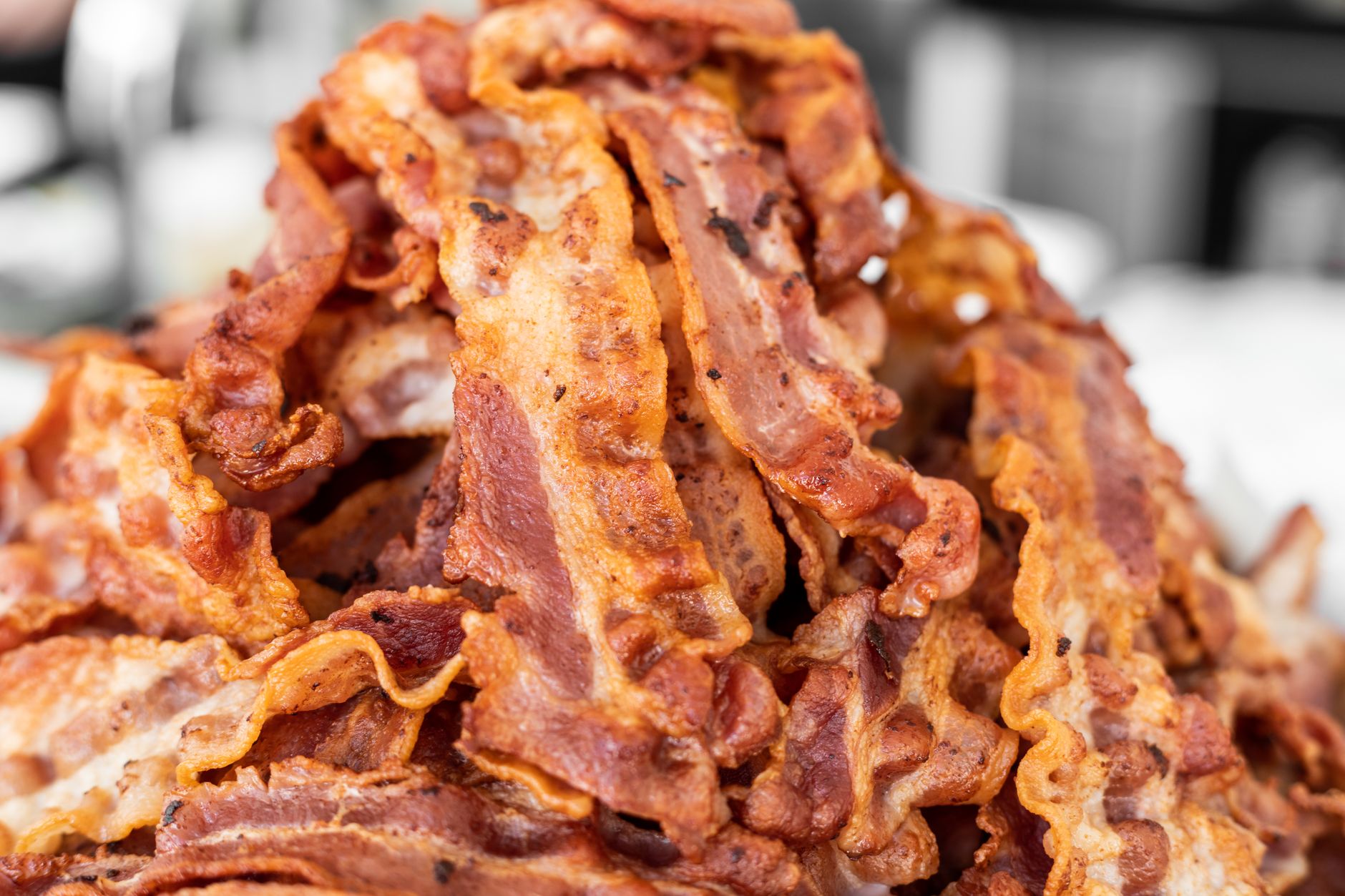
Jerky is a popular snack that has its roots in preservation methods used centuries ago. While beef is the most common meat used for jerky, pork is also an excellent choice for this technique. Making jerky out of pork offers a delicious alternative that can be seasoned in many ways to suit your taste.
This article will guide you on what it takes to make pork jerky, including the necessary ingredients, equipment, and step-by-step instructions. We will also cover flavor variations, storage tips, and troubleshooting common issues, giving you a comprehensive resource for making your tasty jerky at home.
Can You Make Jerky Out Of Pork?
Yes, you can make jerky out of pork! Pork jerky can be flavorful, chewy, and satisfying, just like its beef counterpart. With the right cuts of meat and seasonings, you can prepare a delicious snack that is perfect for hiking, game days, or simply as a protein-packed on-the-go treat.
Choosing the Right Cut of Pork
When selecting pork for jerky, certain cuts work better than others due to their lean nature. Here are some options:
- Pork Tenderloin: This cut is very lean, making it an excellent choice for jerky. It slices nicely and has a mild flavor that easily absorbs marinades.
- Pork Loin: Also lean, pork loin is another good option for jerky. It is slightly larger than tenderloin, yielding more jerky.
- Pork Shoulder: Though a bit fattier, pork shoulder can be used if trimmed properly. The fat can add flavor but should be kept minimal to ensure a better shelf life.
Ingredients for Pork Jerky
The ingredients for a basic pork jerky recipe include the following:
- 2 pounds pork tenderloin or loin
- 1/4 cup soy sauce
- 2 tablespoons Worcestershire sauce
- 2 tablespoons brown sugar
- 1 tablespoon black pepper
- 1 tablespoon garlic powder
- 1 tablespoon onion powder
- 1 teaspoon smoked paprika (optional)
- 1/2 teaspoon red pepper flakes (optional, for heat)
Essential Equipment
Having the right tools will make the jerky-making process smoother. Here’s what you need:
- Sharp Knife: For slicing the pork into thin strips.
- Cutting Board: A stable surface for cutting the meat.
- Refrigerator or Marinade Container: To marinate the meat safely before drying.
- Dehydrator or Oven: To dry the meat. A dehydrator is preferable for even drying, but an oven can also work.
- Parchment Paper: To line trays if using an oven.
- Food Thermometer: To check that the jerky reaches a safe internal temperature.
Step-by-Step Method for Making Pork Jerky
- Prepare the Pork: Start by trimming any excess fat from the pork tenderloin or loin. The less fat there is, the longer the jerky will last. Slice the pork against the grain into strips about 1/4 inch thick. Thinner strips will dry faster but may be more delicate.
- Make the Marinade: In a bowl, combine soy sauce, Worcestershire sauce, brown sugar, black pepper, garlic powder, onion powder, smoked paprika, and red pepper flakes (if using). Stir until the sugar dissolves.
- Marinate the Pork: Place the pork strips in a large resealable plastic bag or shallow dish. Pour the marinade over the pork, ensuring all pieces are coated. Seal the bag or cover the dish and refrigerate for at least 6 hours, or preferably overnight for more flavor.
- Drain and Dry: Once marinated, remove the pork from the marinade and let it drain on paper towels. Pat it dry to remove excess moisture, which can hinder the drying process.
- Prepare the Dehydrator/Oven: If using a dehydrator, set it to 160°F (71°C). If using an oven, preheat it to 175°F (80°C) and line your baking sheets with parchment paper.
- Arrange the Pork: Place the pork strips in a single layer on the dehydrator trays or lined baking sheets. Ensure they are not touching to allow proper air circulation.
- Dehydrate the Jerky: Dry the jerky for about 6 to 8 hours in a dehydrator, or 4 to 6 hours in the oven. Check the jerky periodically; it should be firm, but a bit pliable, and should not snap in half when bent.
- Check the Temperature: Use a food thermometer to ensure that the jerky has reached an internal temperature of 160°F (71°C) for safety.
- Cool and Store: Once dried, let the jerky cool completely before storing in an airtight container. It can be kept in the refrigerator for longer shelf life.
Flavor Variations for Pork Jerky
There are countless ways to customize your pork jerky with different flavors. Here are a few suggested variations:
- Teriyaki Pork Jerky: Substitute half of the soy sauce with teriyaki sauce for a sweet and savory twist.
- Chipotle Pork Jerky: Add chipotle powder to your marinade for a smoky, spicy flavor boost.
- Sweet and Spicy: Increase the brown sugar content and add more red pepper flakes to balance the sweetness with heat.
- Herb-Infused: Include herbs such as rosemary or thyme in your marinade to introduce an aromatic flavor profile.
Common Mistakes and Troubleshooting Tips
Even experienced cooks can run into issues while making jerky. Here are some common mistakes to watch for and how to rectify them:
- Jerky is Too Tough: This can result from_over-dehydration. Make sure to check your jerky periodically and remove it when it feels firm yet slightly flexible.
- Jerky Flavors are Too Bland: Make sure to marinate long enough to allow the flavors to permeate the meat. Consider increasing your seasoning amounts.
- Sticking to the Dehydrator/Oven: Properly drying your jerky with parchment paper in the oven can help prevent sticking. In a dehydrator, make sure to arrange the strips well.
- Jerky Spoiling Quickly: Ensure that the jerky is completely dried before storing. Use airtight containers and refrigerate for best results.
Storage and Shelf Life
Proper storage is essential to enjoy your pork jerky for as long as possible:
- Store the jerky in an airtight container or resealable plastic bags.
- For optimal freshness, keep it in the fridge, where it can last up to a month.
- If stored at room temperature, keep the jerky in a cool, dark place, consuming it within two weeks.
Pork jerky can also be vacuum-sealed to extend its shelf life significantly. Using this method, it can remain good for 6 months or more in the freezer.
Serving Suggestions for Pork Jerky
Pork jerky makes a great snack on its own, but you can also incorporate it into meals or combine it with other foods:
- Salads: Chop up jerky and add it to salads for added protein and chewiness.
- Cheese Boards: Include jerky on a charcuterie board alongside various cheeses, crackers, and dried fruits.
- Trail Mix: Add pork jerky pieces to your favorite trail mix along with nuts, seeds, and dried fruits for a perfect hiking snack.
Making Jerky Ahead of Time
If you plan to make large batches of jerky, consider these tips to accommodate your meal prep:
- Double or triple the recipe to ensure you have enough jerky for the week.
- Use a separate fridge space or coolers with ice packs if making jerky for events or trips.
- Marinate the pork in advance and store it in the fridge until you’re ready to dry it out.
By following these tips and utilizing the recipe provided, you can successfully create delicious pork jerky that satisfies your hunger and adds variety to your snacking options.
For those interested in exploring different jerky recipes, check out this teriyaki jerky recipe or try making venison jerky by following this venison jerky recipe. Whether you’re looking for something new or a change from the usual, these recipes can bring excitement to your jerky-making adventures.