
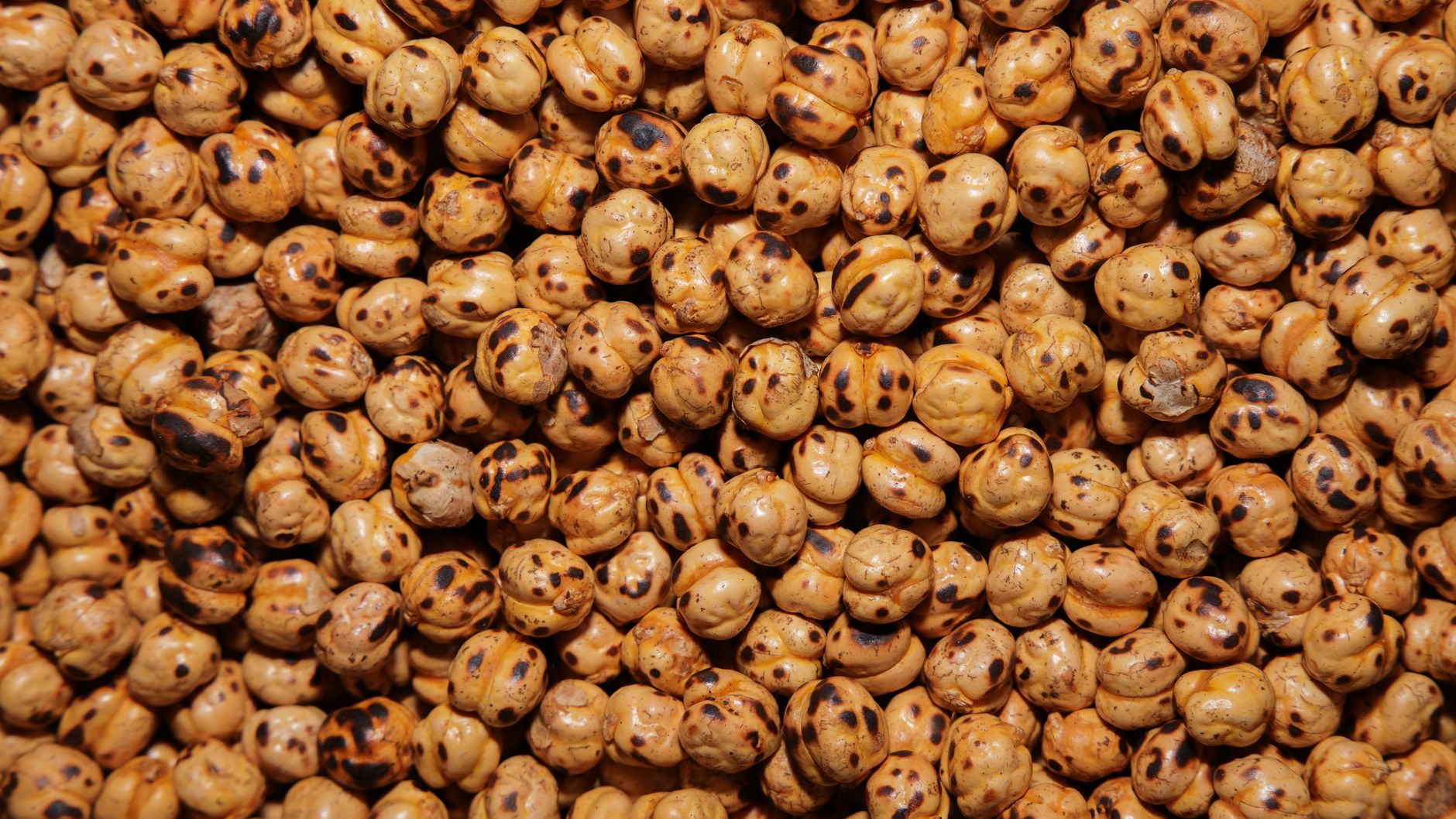
Garbanzo beans, also known as chickpeas, are a versatile and nutritious legume that is often used in a variety of dishes, from salads to stews to hummus. One common question among home cooks is whether these beans can be frozen for later use. Understanding the best practices for freezing and thawing garbanzo beans can help you minimize food waste and save time in the kitchen.
In this article, you will learn how to properly freeze garbanzo beans, the best methods for thawing them, and tips to ensure they retain their flavor and texture. Whether you bought too many beans or just want to prepare for future meals, this guide will cover everything you need to know.
Can You Freeze Garbanzo Beans?
Yes, you can freeze garbanzo beans. Both cooked and raw (dried) forms can be frozen, although the preparation process differs slightly. Proper freezing methods help preserve their flavor and texture, making them a convenient addition to your meals.
Benefits of Freezing Garbanzo Beans
Freezing garbanzo beans has several advantages:
- Extended Shelf Life: Freezing prevents spoilage, allowing you to store garbanzo beans for several months without losing their quality.
- Convenience: Having ready-to-use garbanzo beans on hand can simplify meal prep, enabling quick additions to salads, soups, or snacks.
- Food Waste Reduction: Freezing excess beans helps ensure you can use them later instead of discarding any unused portions.
Preparing Garbanzo Beans for Freezing
Freezing Cooked Garbanzo Beans
Cooking garbanzo beans before freezing is often recommended as it enhances their flavor and texture. Here’s how to go about it:
- Cook the Beans: If you’re starting with dried beans, soak them overnight in water, then boil them until tender (about 1-2 hours). Canned beans can be used directly—just drain and rinse.
- Cool Down: Allow the beans to cool completely before freezing. This prevents ice crystals from forming, which can affect texture.
- Pack in Portions: Divide the beans into portion sizes suitable for your meals. Transfer them to freezer-safe bags or containers. Remove air to prevent freezer burn.
- Label and Freeze: Clearly label the bags or containers with the date and contents. Freeze immediately.
Freezing Raw (Dried) Garbanzo Beans
Raw dried garbanzo beans do not need special preparation before freezing. However, for the best results:
- Clean and Sort: Inspect the dried beans to remove any debris or damaged beans.
- Store in Airtight Containers: Place the sorted beans into airtight bags or containers to prevent exposure to moisture.
- Label and Store: Just like cooked beans, label your containers with the date. Dried beans can typically last for 1-2 years in the freezer but tend to soften faster when cooked.
Thawing Garbanzo Beans
Thawing garbanzo beans properly is crucial to maintaining their quality. Here are some options:
Thawing Cooked Garbanzo Beans
- In the Refrigerator: Transfer the desired amount from the freezer to the refrigerator. They will thaw gradually overnight.
- Quick Thaw Method: If you need them quickly, you can run the sealed bag under cold water for 15-20 minutes. Be cautious not to use hot water, as this can change the texture.
- Cooking Directly: You can also add frozen garbanzo beans directly to soups or stews. Cooking them will thaw and heat them simultaneously.
Thawing Raw (Dried) Garbanzo Beans
Dried garbanzo beans do not require traditional thawing, as they can be cooked straight from the freezer. If you do want to soak them:
- Soaking Method: Soak the beans in water overnight. They may take slightly longer to cook than fresh beans, but they can still soften effectively.
Storing Thawed Garbanzo Beans
Once thawed, garbanzo beans should be used within 3-4 days if stored in the refrigerator. If they were previously cooked, ensure that they are reheated to a safe temperature of 165°F (73.9°C) before consumption.
Common Mistakes to Avoid When Freezing Garbanzo Beans
To maximize the quality of your garbanzo beans, keep these common pitfalls in mind:
- Freezing Without Preparation: Always cook garbanzo beans before freezing unless you specifically plan to store raw dried versions.
- Not Cooling Beans: Avoid freezing hot beans, as this can lead to a mushy texture.
- Improper Packaging: Failing to remove excess air from freezer bags can lead to freezer burn.
Ideas for Using Frozen Garbanzo Beans
Once you’ve frozen and thawed your garbanzo beans, you can incorporate them into various dishes. Here are some ideas:
- Salads: Add thawed beans to salads for a protein boost and creamy texture.
- Soups and Stews: Use the beans as a hearty ingredient in soups or stews.
- Hummus: Blend cooked garbanzo beans with tahini, olive oil, and garlic for a quick hummus dip.
- Falafel: Incorporate the beans into a falafel mix for tasty, homemade patties.
Garbanzo Bean Substitutions and Variations
If you’re looking for alternatives to garbanzo beans, consider these options:
- White Beans: Cannellini or navy beans can be used in recipes like soups or salads.
- Kidney Beans: They have a firmer texture and can substitute garbanzo beans in chili or savory dishes.
- Lentils: While they’re different in taste and texture, lentils can be a great protein substitute in many recipes.
Conclusion
Freezing garbanzo beans is an effective way to have this nutritious ingredient available for future meals. With the right preparation, storage, and thawing methods, you can maintain their quality and enjoy their versatility. Consider incorporating them into a variety of dishes, from salads to stews, to maximize their use in your cooking.
Explore further cooking tips or related recipes to enhance your culinary skills and meal planning. Check out information on freezing cooked chicken or discover how to freeze chili for more great food storage advice.