
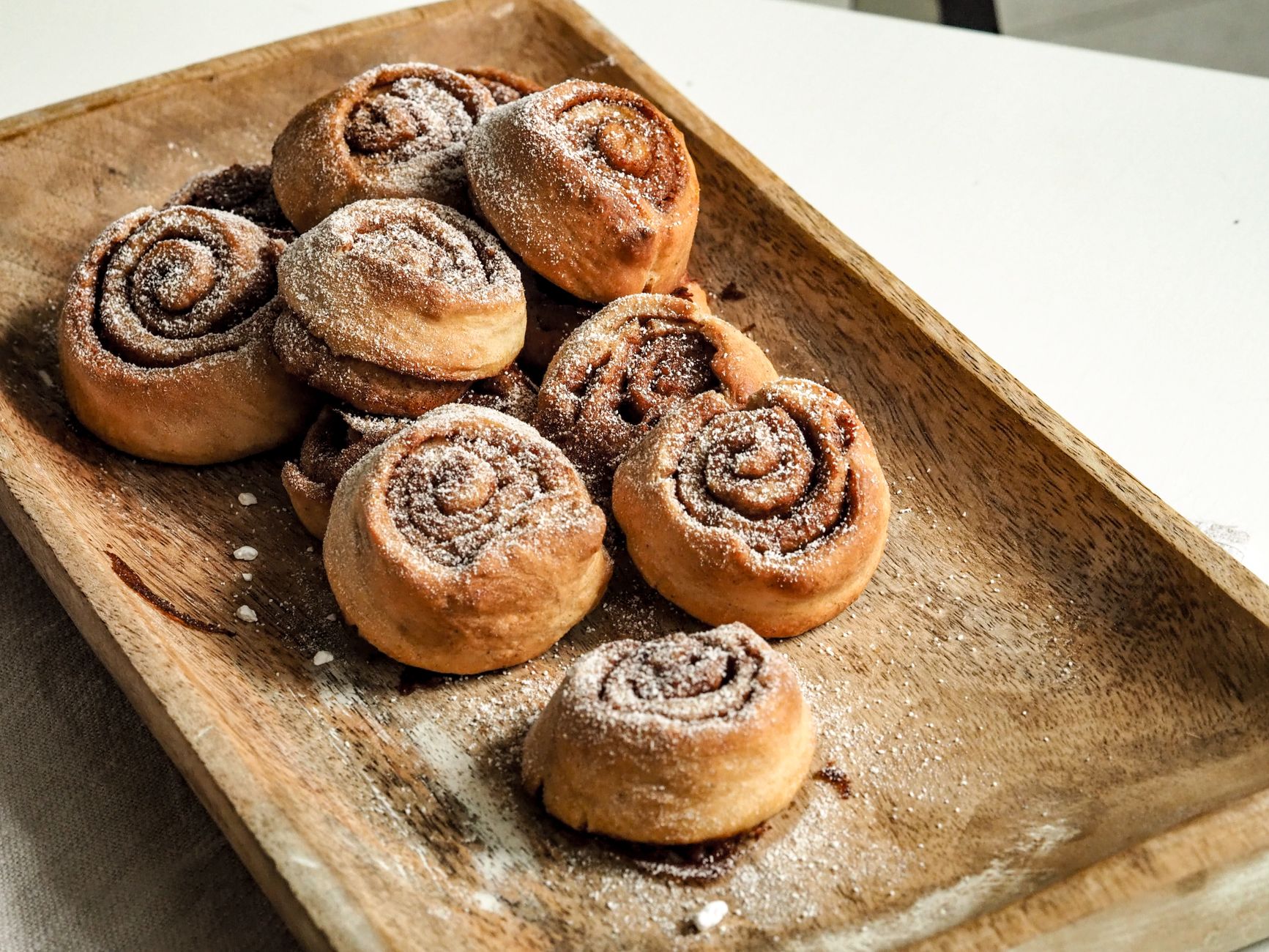
Cinnamon rolls are a beloved sweet treat, often enjoyed for breakfast or as a dessert. But as delicious as they are, many people wonder about their nutritional value, particularly the calorie content. Understanding how many calories a cinnamon roll has can help you make informed choices about portion sizes and diet planning.
This article delves into the calorie count of a standard cinnamon roll, its variations, and how ingredients can affect the final calorie content. We also provide insights into making healthier choices when indulging in this delightful pastry.
How Many Calories Does a Cinnamon Roll Have?
A typical plain cinnamon roll with icing contains around 300 to 600 calories per serving, depending on its size and ingredients. Factors such as portion size, additional toppings, and preparation methods can all influence the calorie count.
Understanding Cinnamon Roll Ingredients
The primary ingredients in a traditional cinnamon roll include flour, sugar, butter, milk, yeast, and cinnamon. Each component contributes not only to the flavor and texture but also to the caloric content:
- Flour: The base of the dough, typically made from all-purpose flour, adds significant calories.
- Sugar: Used in the dough and the filling, it greatly increases the total calorie count.
- Butter: Adds richness and flavor but is calorie-dense.
- Milk: Contributes both calories and moisture to the dough.
- Yeast: Helps the dough rise; it does not add calories but is necessary for the structure.
- Cinnamon: Adds flavor, with minimal calories.
Calories in Different Variants of Cinnamon Rolls
Cinnamon rolls come in various shapes, sizes, and styles. Here are some common variants and their estimated calorie counts:
Plain Cinnamon Roll
A basic cinnamon roll typically has 300 to 450 calories. This number can vary based on serving size and specific ingredients used.
Cinnamon Roll with Icing
When icing is added, the calorie count can rise to 400 to 600 calories per roll. The icing is usually made with powdered sugar and milk, which contributes significant calories.
Gourmet Cinnamon Rolls
Specialty shops may offer cinnamon rolls with additional toppings such as cream cheese frosting, nuts, or other flavors. These can easily exceed 600 calories, sometimes reaching 800 calories or more!
Portion Control: A Key Factor
Portion size is essential when considering the caloric content of cinnamon rolls. While they can be indulgent, consuming smaller portions can help you enjoy the treat without overwhelming your daily calorie intake. Consider sharing a roll or saving half for later.
Healthier Substitutions and Variations
Making cinnamon rolls healthier doesn’t mean sacrificing taste. Here are some substitutions you can try:
- Whole Wheat Flour: Swap all-purpose flour for whole wheat flour to increase fiber content, which can aid in digestion and promote satiety.
- Reduced Sugar: Use less sugar in the dough and filling. You can also consider natural sweeteners like honey or maple syrup, which may have a different caloric profile.
- Light Butter or Greek Yogurt: Substitute some or all of the butter with light butter or Greek yogurt to reduce calories and fat.
- Nuts and Dried Fruits: For toppings, consider using chopped nuts or dried fruits for added flavor and texture without excessive calories.
How to Bake Low-Calorie Cinnamon Rolls
If you are keen on making your own low-calorie cinnamon rolls, try the following method:
Ingredients
- 2 cups whole wheat flour
- 1 tablespoon baking powder
- ½ teaspoon salt
- 1 tablespoon honey or maple syrup
- ½ cup unsweetened applesauce
- ½ cup skim milk
- 2 tablespoons cinnamon
- 1 tablespoon brown sugar (for filling)
- 1 tablespoon light butter (melted, for topping)
Equipment Needed
- Baking pan
- Mixing bowls
- Rolling pin
- Oven
Instructions
- Preheat your oven to 375°F (190°C).
- In a bowl, combine the flour, baking powder, and salt.
- In another bowl, mix the honey, applesauce, and milk. Combine wet and dry ingredients until a dough forms.
- Roll the dough on a floured surface into a rectangle.
- Spread melted butter over the dough and sprinkle with a mix of cinnamon and brown sugar.
- Roll the dough tightly and cut into 1-inch sections.
- Place in a greased baking pan and bake for 25-30 minutes or until golden brown.
Storing and Reheating Cinnamon Rolls
If you have leftover cinnamon rolls or plan to make a batch ahead of time, proper storage is key to maintaining freshness:
- Storing: Allow the rolls to cool completely, then store in an airtight container at room temperature. They usually last for about 2-3 days.
- Refrigerating: If you want to extend their shelf life, you can refrigerate them for about a week. Just ensure they are in a sealed container to avoid drying out.
- Freezing: Cinnamon rolls can be frozen for up to three months. Wrap each roll tightly in plastic wrap and then place them in a freezer-safe bag.
- Reheating: To reheat, place them in a microwave for 15-20 seconds or in an oven preheated to 350°F (175°C) for about 10 minutes.
Common Mistakes When Making Cinnamon Rolls
Even experienced bakers can face challenges when making cinnamon rolls. Here are some pitfalls to avoid:
- Incorrect Yeast Activation: Ensure your yeast is fresh and properly activated. If it doesn’t bubble after mixing with warm liquid, it may be inactive.
- Overworking the Dough: Kneading too long can lead to tough rolls. Mix until just combined.
- Incorrect Baking Time: Keep an eye on the rolls toward the end of the baking time. Overbaking can lead to dry, crumbly rolls.
Conclusion
Cinnamon rolls are a delightful treat, but their calorie content can vary based on ingredients and preparation methods. By understanding these aspects, you can enjoy this indulgent pastry mindfully. Whether you choose to treat yourself to a bakery version or attempt a healthier homemade alternative, knowing the caloric impact helps you enjoy cinnamon rolls in moderation.
For more delicious recipes and baking tips, explore making a classic cinnamon roll recipe with heavy cream or try out the famous Dollywood cinnamon bread recipe!