
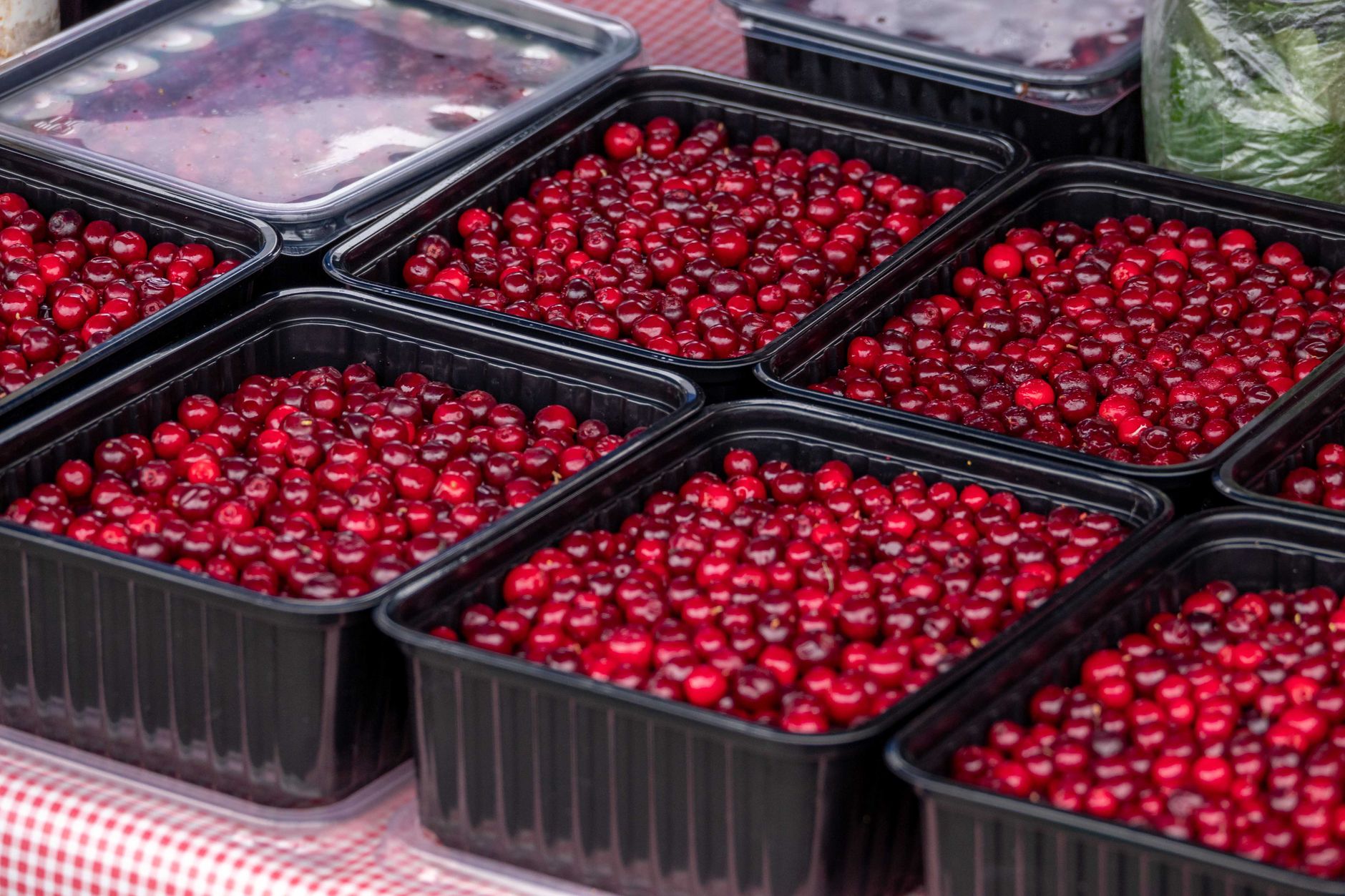
Cranberries are a seasonal delight, often highlighted during the fall and winter months. These tart berries are packed with flavor and nutrients, making them a popular choice for holiday dishes and snacks. But what if you’ve bought too many cranberries or want to enjoy that refreshing tartness beyond their harvest season?
Freezing cranberries is an excellent way to extend their shelf life while preserving their flavor and nutritional value. In this guide, we will explore how to properly freeze cranberries, the best methods for thawing them, and tips for incorporating frozen cranberries into your meals.
Can You Freeze Cranberries?
Yes, you can freeze cranberries! Freezing is one of the best ways to maintain their freshness, flavor, and nutritional quality. Properly frozen, cranberries can last up to a year in the freezer, making them a versatile ingredient to have on hand.
Why Freeze Cranberries?
Cranberries can be quite sour when eaten fresh, but their flavor profile changes dramatically once cooked or baked. Freezing them allows you to enjoy their unique tang in various dishes throughout the year. Here are some reasons to consider freezing cranberries:
- Convenience: Having frozen cranberries on hand means you can use them in recipes at any time, even if they’re not in season.
- Budget-friendly: Buying cranberries in bulk during the harvest season can save money, and freezing them reduces waste.
- Nutritional preservation: Freezing helps retain the antioxidants, vitamins, and minerals found in fresh cranberries, ensuring you continue to benefit from them.
When to Freeze Cranberries
The best time to freeze cranberries is during the harvest season, which typically runs from late September to early December in North America. This is when cranberries are most abundant and affordable. By freezing them soon after purchase, you can maintain peak freshness.
How to Freeze Cranberries
Freezing cranberries is a straightforward process. Here’s a step-by-step guide to ensure they freeze well and retain their quality:
Step 1: Sort and Clean the Cranberries
Begin by sorting through the cranberries and removing any that are damaged or spoiled. Rinse the good cranberries under cold running water to remove any dirt or debris.
Step 2: Dry the Cranberries
After rinsing, spread the cranberries out on a clean kitchen towel or paper towels to dry. It’s essential to remove as much moisture as possible to prevent ice crystals from forming during freezing.
Step 3: Flash Freeze the Cranberries
To prevent the cranberries from sticking together, you can flash freeze them. Lay the cleaned and dried cranberries in a single layer on a baking sheet lined with parchment paper. Place the baking sheet in the freezer for about 2 to 4 hours, or until the cranberries are completely frozen.
Step 4: Transfer to Storage Bags
Once the cranberries are frozen, remove them from the baking sheet and transfer them to airtight freezer bags or containers. Be sure to remove as much air as possible from the bags before sealing to prevent freezer burn.
Step 5: Label and Store
Label each bag or container with the date of freezing. Properly frozen cranberries can last for up to a year in the freezer, but it’s best to use them within 6 to 8 months for optimal taste and quality.
Thawing Frozen Cranberries
Thawing frozen cranberries is just as simple as the freezing process, and you have several options depending on how you plan to use them. Here are some effective methods for thawing:
Method 1: Thawing in the Refrigerator
The best way to thaw frozen cranberries is to transfer them from the freezer to the refrigerator. This method typically takes a few hours or overnight. Simply place the amount you need in a bowl and allow them to thaw slowly. This method preserves their texture and flavor.
Method 2: Thawing at Room Temperature
If you’re short on time, you can thaw cranberries at room temperature. Spread them out on a plate or in a bowl, and let them sit for about 30 minutes to an hour. However, this may result in a slightly softer texture.
Method 3: Thawing in the Microwave
For quick thawing, you can use the microwave. Place the cranberries in a microwave-safe bowl and defrost in short intervals, checking every 30 seconds to avoid cooking them. This method is suitable for using in cooked dishes, as the texture will not matter as much.
Using Frozen Cranberries
Frozen cranberries can be versatile ingredients in your kitchen. Here are some popular uses:
1. Baking
Frozen cranberries work wonderfully in various baked goods. Use them in muffins, bread, and pies. There is no need to thaw them beforehand; simply add them directly to your batter. Keep in mind that you might need to extend baking time slightly, as the added moisture can affect consistency.
2. Sauces and Jams
Frozen cranberries can be a great base for homemade cranberry sauce or jam. Cook them down with sugar and water to create a flavorful condiment. This is especially popular for holiday dishes, and you can experiment with additional flavors like orange or spice to enhance the taste.
3. Smoothies
Add frozen cranberries to smoothies for a refreshing, tart boost. They’ll thicken and chill your drink without the need for ice, and you can blend them directly from frozen for convenience.
4. Salads and Dishes
Toss frozen cranberries into salads or savory dishes. They can brighten up a winter salad when mixed with greens, cheeses, and nuts. Their tartness pairs well with grains like quinoa or farro when cooked.
Practical Tips for Storing and Using Frozen Cranberries
- Portion Control: Consider portioning out the cranberries into smaller bags or containers before freezing them. This way, you can easily grab just the amount you need without defrosting the entire batch.
- Mixing Ingredients: If using frozen cranberries in cooked dishes, be cautious about adjusting liquid ingredients since the frozen berries will release moisture as they cook.
- Check for Spoilage: If you notice any off smells or unusual textures upon thawing, it is best to discard the cranberries.
- Re-freezing: Avoid re-freezing thawed cranberries, as the texture and flavor can deteriorate with each freeze and thaw cycle.
Common Mistakes to Avoid When Freezing Cranberries
While freezing cranberries is relatively simple, some frequent mistakes can impact their quality. Here’s what to watch out for:
- Skipping the Rinse: Failing to rinse cranberries before freezing can introduce dirt or pesticides, affecting both flavor and health.
- Not Flash Freezing: If you skip the flash freeze step and store cranberries together, they may clump together, making it difficult to retrieve small portions.
- Freezing Too Long: While cranberries can last a long time in the freezer, over time, they can lose flavor and texture. Aim to use them within a reasonable period.
- Overfilling Containers: When storing cranberries, avoid overfilling bags or containers to allow for expansion during freezing.
A Few Recipe Ideas with Frozen Cranberries
Now that you know how to freeze and use cranberries, here are a few recipe ideas to inspire you:
Cranberry Orange Muffins
These muffins are a morning favorite, blending tart cranberries and sweet oranges for a bright breakfast treat.
Spiced Cranberry Sauce
This recipe adds warmth with spices, perfect for holiday meals or as a condiment for meats and cheese platters.
Frozen Cranberry Smoothie Bowl
Freeze your cranberries and blend them with yogurt, banana, and honey for a delightful smoothie bowl topped with granola and fruit.
Storage Summary
To summarize, freezing cranberries is an efficient way to save this nutritious fruit for future use. By following proper techniques for freezing and thawing, you can enjoy fresh-tasting cranberries throughout the year. Here’s a quick recap of the steps:
- Sort and rinse cranberries.
- Dry well before freezing.
- Flash freeze on a baking sheet.
- Transfer to airtight containers after freezing.
- Label and store in the freezer for up to a year.
Next time you come across fresh cranberries, consider freezing them to make the most of their seasonal bounty. Not only will you be enjoying their unique flavor in various dishes, but you’ll also have a practical ingredient right at your fingertips.
To explore more delicious recipes or cooking tips, check out these guides: Can You Freeze Pumpkin Pie? and Cranberry Sauce Recipe with Orange.