
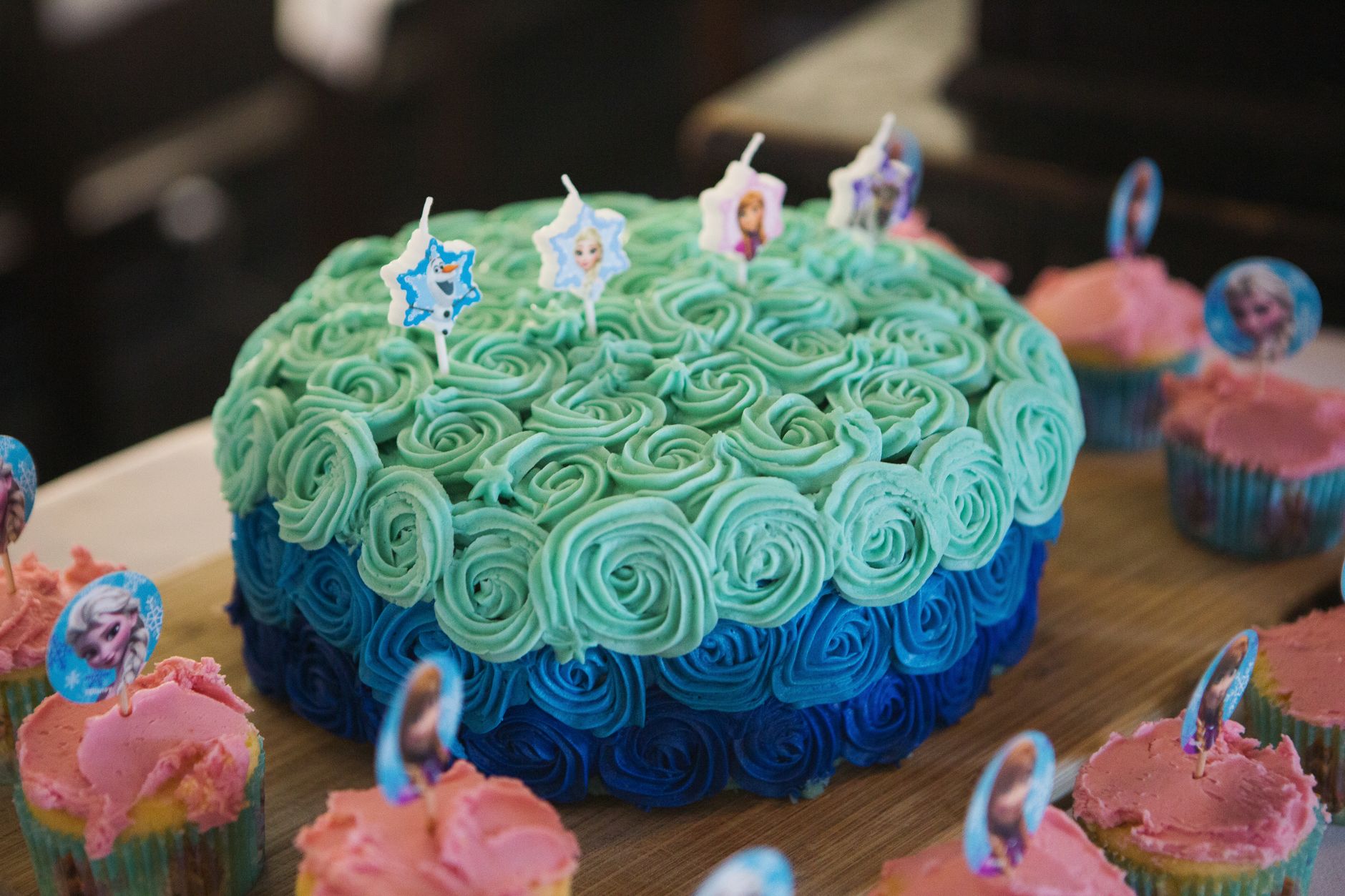
Freezing cake with icing can be a wonderful way to preserve a delicious dessert for later enjoyment. Whether you have leftover cake from a celebration or you want to prepare desserts in advance for special occasions, understanding the correct freezing and thawing techniques is crucial. In this guide, we’ll explore how to properly freeze cakes with icing, ensuring they maintain their flavor and texture.
Many people may wonder if freezing cake with icing will affect its taste or texture. The good news is that cakes, especially those with buttercream icing or ganache, can often be frozen without significant negative impacts. This article will cover the best practices, tips for thawing, and even some common mistakes to avoid.
Can You Freeze Cake with Icing?
Yes, you can freeze cake with icing. Properly wrapped and stored, most cakes with icing can be frozen for up to three months. It’s important to consider the type of icing, as some freeze better than others, but with the right methods, you can enjoy a slice of cake that tastes freshly made.
Why Freeze Cake with Icing?
Freezing cake with icing can serve various purposes:
- Leftover Preservation: If you have leftover cake from a party, freezing is an excellent way to prevent waste.
- Meal Prep: Prepare desserts in advance for events or special occasions.
- Time-Saving: Having pre-frozen cakes on hand can simplify your baking efforts during busy weeks.
Types of Icing and Their Freezing Abilities
Understanding which types of icing freeze well can help you make informed choices:
- Buttercream Icing: Freezes well and maintains its texture after thawing. Ensure it is tightly covered to avoid freezer burn.
- Royal Icing: Can be frozen, but may lose texture. If possible, store the cake without icing and apply fresh icing after thawing.
- Ganache: Freezes well and retains its taste and consistency. Wrap the cake tightly for best results.
- Whipped Cream: May separate after freezing, so it’s best to freeze the cake without this icing type and add freshly whipped cream post-thaw.
How to Freeze Cake with Icing: A Step-by-Step Guide
- Allow the Cake to Cool: Ensure your cake is completely cool before freezing. This prevents condensation, which can affect texture.
- Trim and Prepare: If the cake has uneven edges or excess icing, trim it to ensure even freezing.
- Wrap the Cake: For cakes with icing, use plastic wrap. Wrap it tightly to avoid air exposure. For extra protection, wrap it in aluminum foil or place it in an airtight container.
- Label and Date: Use a marker to label your cake with the type and date you froze it to keep track of freshness.
- Freeze: Place in the freezer. Try to store it in a level spot to maintain its shape.
Thawing Frozen Cake with Icing
Thawing your cake correctly is just as important as the freezing process. Here are some simple steps to ensure your cake maintains its quality:
- Remove from Freezer: Take the cake out of the freezer and remove any outer wrapping while it’s still frozen. This helps prevent condensation from making the icing soggy.
- Thaw in the Refrigerator: Place the unwrapped cake in the refrigerator for 6-8 hours or overnight. This gradual thawing helps keep the texture intact.
- Bring to Room Temperature: After the cake has thawed in the fridge, allow it to sit at room temperature for about 30 minutes before serving.
Common Mistakes When Freezing Cakes with Icing
Even though freezing cake with icing can be simple, there are common pitfalls to avoid:
- Not Wrapping Tightly: Air exposure can lead to freezer burn, affecting the cake’s moisture and flavor.
- Freezing Iced Cakes with Delicate Toppings: Garnishes or decorations like fruits or whipped cream should be removed before freezing, as they may not hold up.
- Not Allowing Cakes to Cool: Freezing a warm cake can create moisture and lead to sogginess upon thawing.
- Placing it in the Freezer Immediately: Always remove the icing from your cake before placing it in the freezer to preserve its texture.
Extra Tips for Freezing and Thawing Cake with Icing
- Cupcakes: If you have leftover cupcakes, follow the same principles. Freeze them in a single layer before transferring to an airtight container.
- Slice Before Freezing: Consider slicing your cake before freezing. This allows for smaller portions and easier thawing.
- Adding Fresh Icing: If freezing a cake without icing, add the icing shortly before serving to enhance freshness.
- Check for Freezer Damage: Regularly inspect your freezer for ice build-up, which can indicate temperature fluctuations that might affect your cake.
Storage Duration for Frozen Cake with Icing
To ensure your cake stays at its best, observe the following storage guidelines:
| Type of Cake | Storage Duration |
|---|---|
| Buttercream Iced Cake | Up to 3 months |
| Ganache Iced Cake | Up to 3 months |
| Royal Iced Cake | Up to 2 months |
| Whipped Cream Iced Cake | Not recommended |
Reviving the Texture After Thawing
Sometimes, even with careful freezing, the texture may not be as good as freshly baked. Here are some tips to help revive it:
- Moisture Addition: Brush a simple syrup (equal parts sugar and water, boiled and cooled) on the cake to reintroduce moisture after thawing.
- Fresh Icing: Adding a fresh layer of icing can enhance the flavor and mask any slight texture differences.
- Warming Slightly: If desired, warm slices in the microwave for 10-15 seconds; this can somewhat mimic the freshly-baked experience.
Conclusion and Final Thoughts
Freezing cake with icing is a practical solution for prolonging the enjoyment of your baked treats. By following the guidelines for wrapping, storing, and thawing, you can savor delicious cake weeks or even months later, making it a convenient option for any occasion. To get the most out of your freezing experience, remember the type of icing and take care in the preparation and thawing processes.
For more baking tips or delicious recipes, explore our guides on freezing cupcakes or learn how to make powdered sugar icing. Happy baking!