
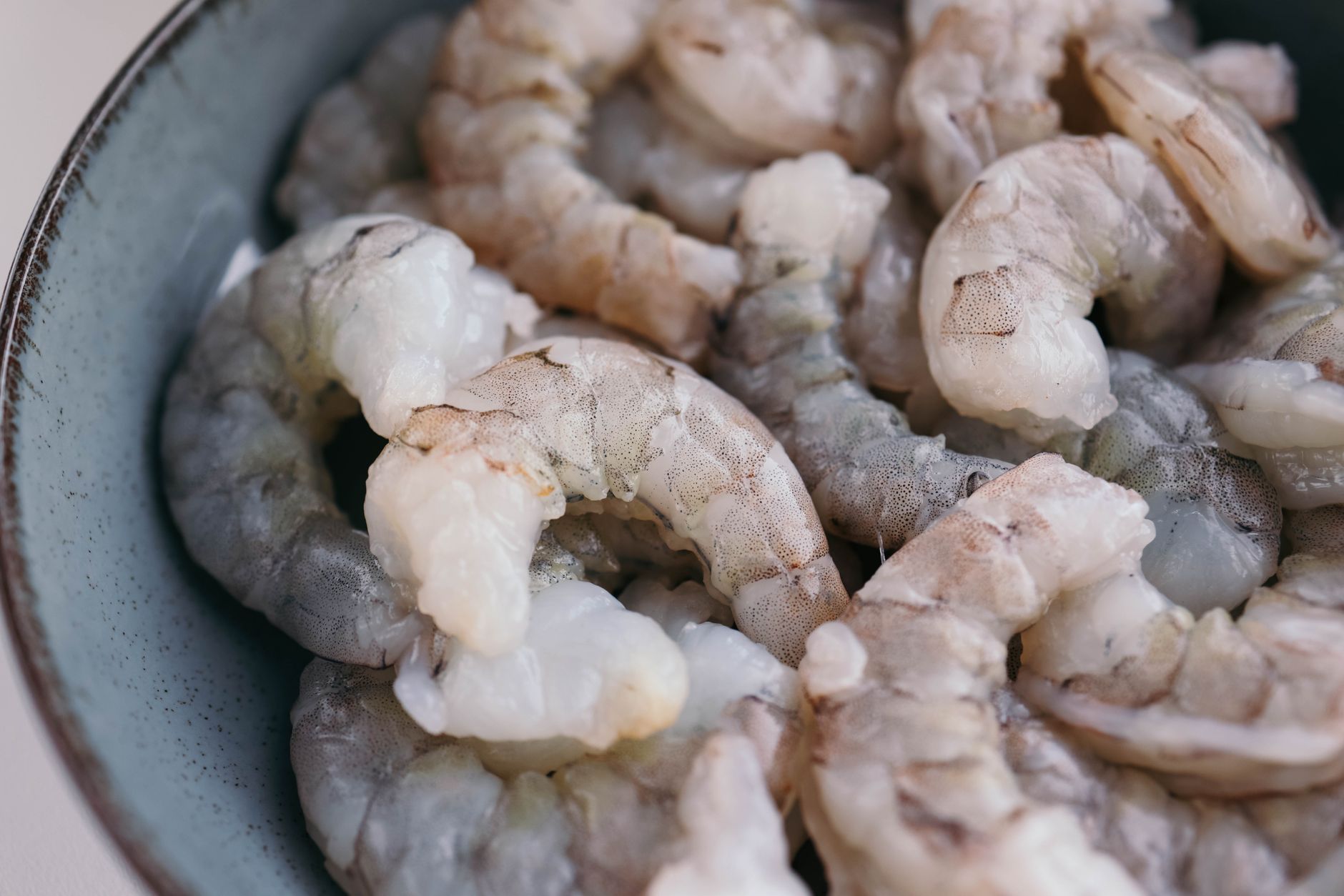
Shrimp are beloved seafood favorites that grace many a dining table, whether served in a buttery scampi, tossed in pasta, or stylized in sushi rolls. One question that often arises is, “Can you eat the shrimp tail?” The answer is more nuanced than a simple yes or no.
Shrimp tails, while technically edible, come with considerations regarding taste, texture, and even safety. In this article, we’ll explore whether you can eat shrimp tails, the culinary uses for shrimp tails, and how to manage them in your cooking.
Can You Eat the Shrimp Tail?
Yes, you can eat shrimp tails, though many people choose to remove them before consuming. The shells, including the tails, contain chitin, a tough polysaccharide which can be difficult to digest. This article will guide you on how to make an informed decision about consuming shrimp tails and how to use them effectively in your meals.
The Composition of Shrimp Tails
Understanding the shrimp tail begins by examining its composition. The shrimp tail shell consists mainly of chitin, which provides structural support and protection for the shrimp’s body. While phasing it out of our diets due to its tough nature, certain elements may offer some health benefits.
Chitin and Its Benefits
Chitin has been studied for its potential health benefits, including its role as a source of dietary fiber. Its potential benefits for gut health and cholesterol control are topics of ongoing research. Nevertheless, the difficulty in digesting chitin means most people prefer to steer clear of eating shrimp tails directly.
Flavor and Texture
The flavor of shrimp tails is markedly different from the tender, sweet meat of the shrimp itself. Eating the tails can provide a crunchy texture, but many people find it unappealing. As such, tails are typically discarded or used in stocks and broths.
Culinary Uses for Shrimp Tails
Although you may choose not to eat shrimp tails, they can be valuable in the kitchen. Here are several ways to utilize shrimp tails effectively:
- Broth and Stock: Shrimp tails are excellent for creating a flavorful seafood stock. Simply simmer the tails with aromatics like onion, garlic, carrots, and herbs to extract their essence, creating a rich base for soups and sauces.
- Paella and Risotto: Adding shrimp tails to dishes such as paella or risotto can enhance the flavors. The tails can be left on while cooking to infuse their taste into the dish, then removed before serving.
- Fried Shrimp Shells: For a culinary adventure, try frying the shrimp shells for a crispy snack. Seasoning them with spices can make for an entertaining garnish, though this is more common in certain cuisines.
How to Cook Shrimp with Tails On
If you decide to cook shrimp with the tails on, here’s how to do it effectively.
Ingredients
- 1 pound large shrimp (with shells and tails)
- 4 cloves garlic, minced
- 2 tablespoons olive oil
- 1 tablespoon lemon juice
- Salt and pepper to taste
- Fresh parsley, chopped (for garnish)
Essential Equipment
- Large skillet
- Spatula or tongs
- Knife
- Cutting board
Method
- Heat the olive oil in a large skillet over medium heat.
- Add minced garlic to the skillet and sauté until fragrant, about 1 minute.
- Stir in the shrimp with their tails on, cooking them for approximately 2-3 minutes on each side until they turn pink and opaque.
- Drizzle with lemon juice, and season with salt and pepper.
- Remove from heat, garnish with chopped parsley, and serve immediately. You can leave the tails on for presentation and flavor, allowing guests to remove them if they prefer.
Common Mistakes When Cooking Shrimp with Tails
When cooking shrimp with tails on, there are a few pitfalls to avoid:
- Overcooking: Shrimp can become rubbery if overcooked. Pay close attention to color and cook them until they are just pink and opaque.
- Insufficient Seasoning: Shrimp benefits from ample seasoning, especially when the shells are on. Ensure you adequately season both the shrimp and the cooking oil.
- Not Cleaning Shells Properly: Ensure to clean shrimp thoroughly before cooking. A quick rinse under cold water can help remove any grit or debris.
Storage and Reheating Tips
If you have leftover shrimp with tails, it’s important to store them correctly to ensure freshness. Here’s how:
Storage
- Keep cooked shrimp in an airtight container to prevent drying out. Store in the refrigerator for up to 2 days.
- If you’re freezing shrimp, remove the tails for best results. Store in a freezer-safe container, and they can last for up to 3 months.
Reheating
- Add a little olive oil or butter to a skillet and reheat leftover shrimp over medium heat just until warmed through. Avoid cooking them too long to ensure they stay tender.
- Alternatively, you can reheat shrimp in the microwave. Place shrimp on a microwave-safe plate, cover with a damp paper towel, and heat in 30-second intervals until warmed.
Substitutions and Variations
If you’re looking to experiment with flavors or ingredients, consider these substitutions:
- Shrimp Alternatives: If you’re out of shrimp, try using scallops or squid. They have similar cooking times and can work well with the same technique.
- Spice Variations: Incorporate smoked paprika or chili flakes for a smokier or spicier flavor profile. Adjust according to taste.
- Herb Swaps: Fresh basil or cilantro can provide different flavor notes compared to parsley, making for an interesting twist.
Regional Cuisine Considerations
In some cultures, shrimp shells and tails are integrated into traditional recipes. For instance, in Southeast Asia, fried shrimp shell dishes can be found. These vary from crunchy snacks to integral components in complex recipes, showcasing how culinary practices vary across regions.
Using Shrimp Tails in Asian Cooking
In Asian cuisine, shrimp shells can be used to enhance broths or even included in stir-fries if prepared properly. They can contribute to a more authentic flavor in specific dishes. Investigate regional techniques to inspire new culinary adventures.
Conclusion
Ultimately, you can eat shrimp tails, but whether you should depends on personal taste and preferences. While they are edible, their tough texture may deter many. However, don’t overlook their potential in stocks or as a flavor enhancer in various dishes. Experiment with tails in your cooking and enjoy the added flavor they can bring to your culinary creations.
For more delightful shrimp dishes, consider trying a shrimp sauce recipe or explore a flavorful shrimp curry recipe to enjoy shrimp in varied and delicious ways.