
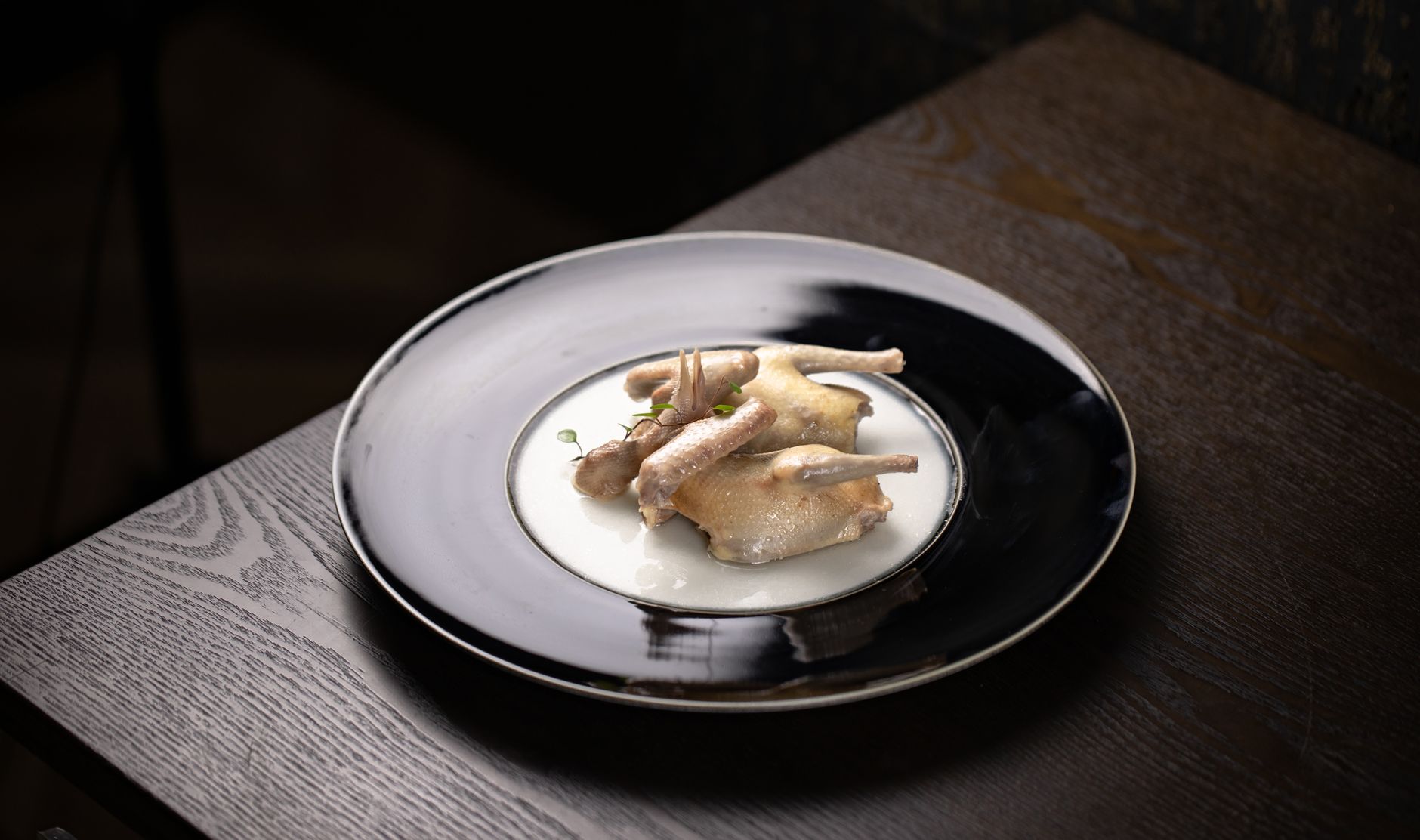
Pigeon meat, often referred to as squab when it comes from young birds, is a delicacy in various cuisines around the world. Known for its rich flavor and tender texture, this game meat has been a part of cooking traditions for centuries. Whether you’re curious about its culinary uses, nutritional value, or how to prepare and cook it safely, this guide will provide you with everything you need to know about eating pigeon meat.
As more people explore sustainable and diverse food options, pigeon meat is gaining attention as both a protein source and a gourmet ingredient. This article will delve into the food facts, uses, and ideas for serving pigeon meat, offering practical guidance for those interested in incorporating it into their meals.
Can You Eat Pigeon Meat?
Yes, you can eat pigeon meat, and it is considered safe and delicious when prepared properly. Pigeon meat is not only enjoyed in various cultures, but it also provides nutritional benefits similar to other poultry. Understanding how to source, store, and cook pigeon meat is essential for any adventurous cook.
Understanding Pigeon Meat
Pigeon meat is often sourced from domesticated pigeons, specifically young birds known as squabs, which are usually harvested at about four weeks of age. Squabs are prized for their tender and flavorful meat compared to older pigeons, which have a stronger taste and tougher texture. Here’s a closer look at the characteristics of pigeon meat:
Flavor Profile
The flavor of pigeon meat is often described as rich, earthy, and slightly gamey, akin to dark meat chicken. Its flavor becomes even more pronounced when the bird is cooked with herbs and spices. The meat is juicy and succulent, making it suitable for a variety of cooking methods.
Texture
The texture of pigeon meat is tender and smooth, with the skin being quite thin compared to other birds. This quality allows for a quick cooking process, often leading to a moist and flavorful end product. When cooked properly, pigeon meat has a velvety texture that enhances the eating experience.
Nutritional Value
Pigeon meat is a good source of protein, vitamins, and minerals. It’s generally lower in fat than chicken or beef, making it a healthier option for meat lovers. A serving of pigeon meat may include:
- Protein: Approximately 24 grams per 3-ounce serving
- Fat: Around 9 grams per serving, with a good balance of saturated and unsaturated fats
- Vitamins: Rich in B vitamins like niacin and riboflavin, which support energy metabolism
- Minerals: Contains iron, phosphorus, and zinc, which are crucial for various bodily functions
Sourcing Pigeon Meat
When considering how to purchase pigeon meat, it’s essential to seek out high-quality sources:
Farm-Raised vs. Wild
Farm-raised pigeons are the preferred choice for culinary purposes as they are bred specifically for consumption and are raised in controlled environments. Wild pigeons, or doves, can also be consumed but may carry a higher risk of disease and must be prepared with caution.
Where to Buy
- Specialty butcher shops: Many artisan butchers offer squab and may have it available upon request.
- Farmers’ markets: Vendors may carry squab from local farms, and it’s an excellent opportunity to ask about sourcing and production methods.
- Online retailers: Some reputable farms sell pigeon meat online and can ship it to your door, ensuring quality.
Cooking Techniques for Pigeon Meat
Cooking pigeon meat requires attention to detail but can produce delectable results. Here are some common techniques to consider when preparing pigeon:
Roasting
Roasting is one of the most popular methods for cooking pigeon meat. The high heat quickly cooks the exterior, allowing the meat to retain its moisture.
- Preheat your oven to 400°F (200°C).
- Rub the pigeon with olive oil, salt, and pepper and place it on a roasting rack.
- Roast for 25-30 minutes until the skin is crisp and the internal temperature reaches 145°F (63°C).
Grilling
Grilling pigeon adds a smoky dimension to its flavor. Ensure the meat is marinated beforehand for extra tenderness and flavor.
- Marinate in a mixture of olive oil, garlic, and herbs for at least an hour.
- Preheat the grill to medium heat, and cook the pigeons for about 6-8 minutes per side.
- Ensure that the internal temperature reaches 145°F (63°C) before serving.
Pan-Seering
Pan-searing is excellent for small portions and allows for flavorful crust development. This technique works particularly well when serving pigeon as a gourmet entrée.
- Heat a pan with a small amount of oil over medium-high heat.
- Season the pigeon and place it skin-side down in the pan, cooking for about 4-5 minutes or until the skin is golden brown.
- Flip and continue cooking for 2-3 more minutes, ensuring the internal temperature measures 145°F (63°C) upon completion.
Slow Cooking
For tougher cuts or older pigeons, slow cooking is ideal. This approach makes the meat tender while enhancing the flavors.
- Place pigeon in a slow cooker with vegetables, stock, and herbs.
- Cook on low for 6-8 hours until the meat is tender and easily pulled apart.
Serving Pigeon Meat
Serving pigeon meat can be as simple or as elegant as desired. Here are some ideas to enhance its presentation and flavor:
Garnishing
Using fresh herbs such as thyme, rosemary, or parsley can brighten the dish and add visual appeal. Sprinkling some sea salt can also elevate the flavors.
Accompaniments
- Vegetables: Roasted vegetables, such as carrots and parsnips, complement the heaviness of the meat.
- Starches: Serve with grains like quinoa or couscous to provide additional texture and nutrition.
- Sauces: Consider serving pigeon with a rich sauce, such as a red wine reduction, for decadence.
Presentation Ideas
Arranging pigeon on a rustic wooden board alongside seasonal sides can create an appealing dining experience. Alternatively, plating with artistic precision and garnishing with microgreens can provide a refined look suitable for formal occasions.
Common Mistakes When Cooking Pigeon
Even experienced cooks can find pigeon meat challenging due to its unique properties. Here are some pitfalls to avoid:
Overcooking
Because pigeon meat is lean, overcooking can result in dry, tough meat. Always use a meat thermometer to ensure accurate cooking.
Insufficient Marinating
Pigeon meat benefits from marination, as it helps tenderize and infuse flavor. Skipping this step can lead to blandness.
Ignoring Resting Time
Like all meats, allowing pigeon to rest for a few minutes after cooking helps retain its juices, enhancing tenderness and flavor.
Storage and Reheating Tips
Pigeon meat should be handled and stored with care to prevent spoilage. Here are some guidelines:
Storage
- Fresh pigeon meat should be kept in the refrigerator and consumed within 1-2 days.
- For longer storage, consider freezing pigeon meat. Wrap it tightly in plastic wrap and then foil for optimal freshness. Properly stored, it can last up to six months in the freezer.
- Cooked pigeon meat should be refrigerated promptly and consumed within three to four days.
Reheating
When reheating pigeon, do so gently to prevent drying out. Methods include:
- Warming in the oven at a low temperature (about 250°F or 120°C) until heated through.
- Microwaving using a low power setting with a splash of broth to maintain moisture.
Substitutions and Variations
If pigeon meat is not readily available, or if you’re looking to experiment, here are some suitable substitutes:
- Quail: Also gamey, quail is an excellent substitute that has a similar flavor and texture.
- Chicken: Specifically, dark meat chicken can mimic pigeon’s richness but will lack its distinctive gamey flavor.
- Duck: This is a richer alternative that can stand in for pigeon in many recipes, although it has a higher fat content.
Conclusion
Pigeon meat, with its unique flavor and versatility, can be an excellent addition to any culinary repertoire. Whether you’re roasting a whole squab for a family dinner or grilling individual portions for a gathering, this bird offers numerous possibilities for creativity in the kitchen. Embrace the opportunity to try this under-appreciated meat in your cooking.
For further culinary exploration, consider looking into other cooking techniques or dishes that embrace unique ingredients. Explore more about diverse cuisines, meal preparation strategies, or ingredient guides as you expand your cooking skills.