
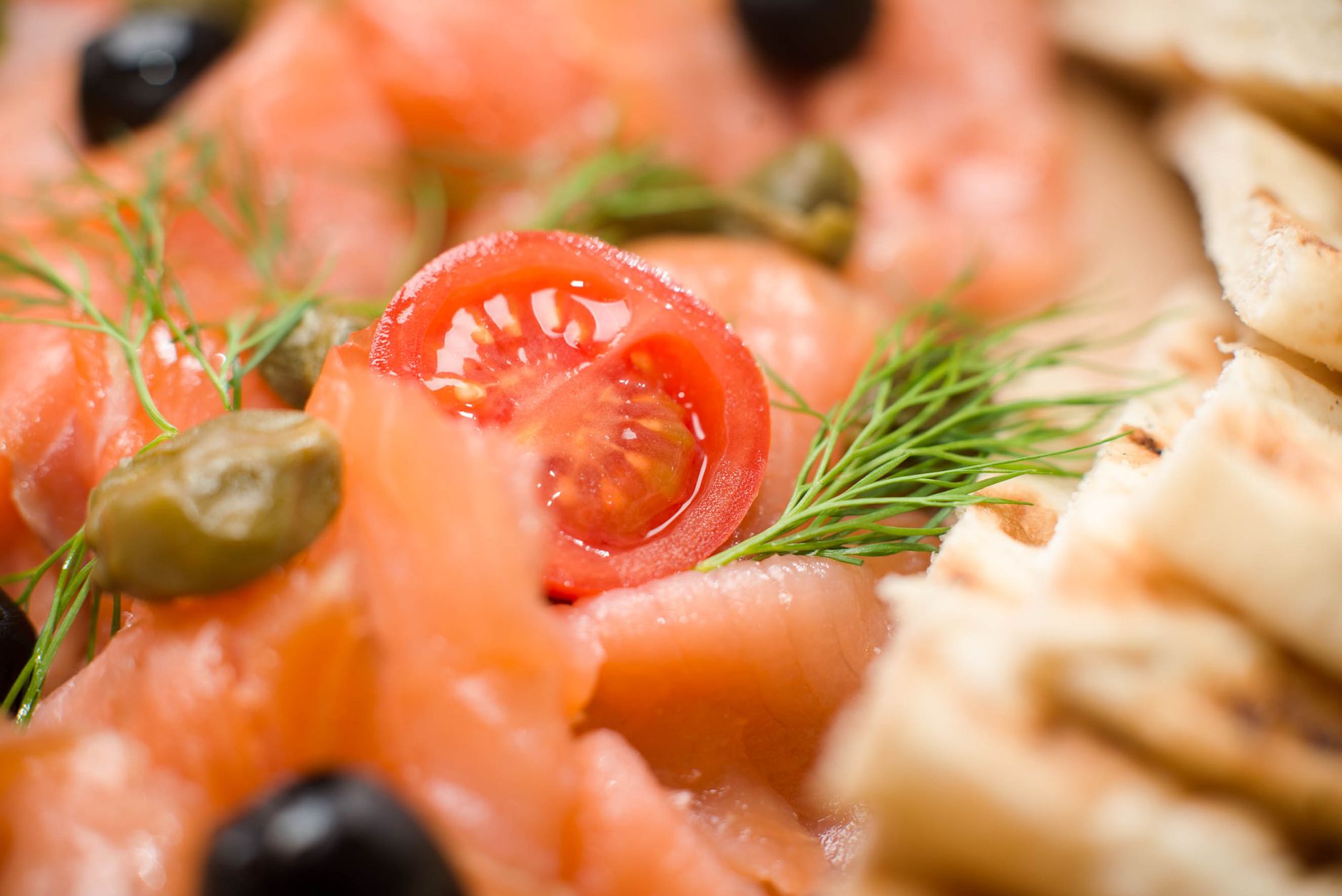
Pregnancy comes with a multitude of dietary restrictions, which can leave many expecting mothers wondering what they can and cannot eat. One common question that arises is whether lox, a popular seafood delicacy, is safe for pregnant women. Understanding the nutritional profile of lox and the potential risks associated with consuming it while pregnant is crucial.
This article will explore the safety of eating lox during pregnancy, including relevant dietary considerations, potential risks, and safe consumption practices. With the proper information, you can make informed choices during this important time.
Can You Eat Lox When Pregnant?
No, it is generally advised that pregnant women avoid eating lox due to the risk of listeriosis and other foodborne illnesses. Lox is often made from raw salmon, which can harbor harmful bacteria. If you wish to enjoy lox safely, consider fully cooked alternatives or pasteurized versions.
Understanding Lox and Its Varieties
Lox refers to salmon that has been cured, typically in a mixture of salt and sugar. There are several types of lox, each created through different curing methods:
- Traditional Lox: This refers to salmon cured in a brine solution, often resulting in a salty flavor and silky texture.
- Nova Lox: A style originating from Nova Scotia, this lox is typically cold-smoked salmon. It is firmer and has a slightly smoky flavor.
- Gravlax: This Nordic dish features salmon cured with a mix of sugar, salt, and dill. It’s not usually smoked and has a distinct herbaceous flavor.
- Cold-Smoked Salmon: Like nova lox, this variety is also smoked at low temperatures, which can impart a rich, savory flavor.
Each type of lox offers a unique taste experience, making it a popular addition to bagels, salads, and appetizers, but the raw processing raises safety concerns during pregnancy.
Potential Risks of Eating Lox During Pregnancy
While lox can be delicious, there are significant risks to consider if you are pregnant:
1. Listeria Monocytogenes
Lox, being a raw seafood product, can be a vector for listeriosis, a serious infection caused by the bacteria Listeria monocytogenes. Pregnant women are significantly more susceptible to this bacteria, which can lead to miscarriage, stillbirth, or severe complications for the newborn.
2. Parasites and Pathogens
Raw or undercooked fish can carry various parasites and pathogens, including Anisakis and Vibrio species. These organisms can cause gastrointestinal distress and can be harmful, particularly during pregnancy when the immune system is compromised.
3. Mercury Contamination
Salmon, like many fish, can also contain mercury, a toxic element that can adversely affect fetal development. While salmon has lower mercury levels compared to larger fish, regular consumption should still be monitored.
Dietary Considerations During Pregnancy
During pregnancy, maintaining a balanced and nutritious diet is essential. Here’s a guide on how to navigate your seafood choices:
- Cooked Seafood: Opt for fully cooked seafood options, which can provide essential omega-3 fatty acids and nutrients without the associated risks of raw fish.
- Moderation is Key: If you consume fish, limit it to two to three servings of low-mercury fish per week, such as salmon, sardines, and trout.
- Pasteurized Products: Many pregnant women find solace in pasteurized seafood products, which tend to carry fewer risks compared to their raw counterparts.
- Check Labels: Always read food labels to ensure that prepared seafood products are safe for pregnant consumption. Look for terms like “fully cooked” or “pasteurized.”
Safe Alternatives to Lox
If you’re craving the taste of lox while pregnant, here are some safe alternatives:
- Cooked Salmon: Oven-roasted or grilled salmon can be a delicious way to enjoy the flavors without the risks of raw fish.
- Smoked Salmon (Fully Cooked): Look for products labeled as ‘fully cooked’ or those from reputable brands that follow strict safety regulations.
- Vegetable Lox Alternatives: There are creative plant-based options that mimic the flavors of lox, such as marinated vegetables or tofu seasoned with smoky spices.
- Smoked Mackerel: A fully cooked and flavorful alternative that provides similar richness to lox without the same risks.
How to Prepare Safe Seafood Dishes During Pregnancy
If you’re interested in incorporating safe seafood into your pregnancy diet, here are tips for preparation:
1. Cooking Methods
Cooking fish thoroughly is essential for killing harmful bacteria and parasites. Aim for an internal temperature of 145°F (63°C), and ensure the fish flakes easily with a fork.
2. Shopping for Seafood
When purchasing seafood, choose reputable sources and ensure that the products are fresh. Ask questions about the handling and preparation methods used at the seafood counter.
3. Storing Seafood Properly
Store seafood at safe temperatures, ideally at 32°F to 38°F (0°C to 3°C), and consume it within a day or two of purchase. Always follow food safety guidelines to avoid contamination.
Common Mistakes When Eating Seafood During Pregnancy
Here are some common pitfalls to avoid while navigating seafood consumption during pregnancy:
- Confusing Raw and Cooked Options: Always double-check whether seafood is fully cooked, especially when ordering at restaurants.
- Overconsumption of Mercury-Heavy Fish: Be wary of high-mercury fish such as shark, swordfish, and king mackerel.
- Not Washing Hands and Surfaces: Always wash hands and surfaces thoroughly when handling seafood to prevent cross-contamination.
Practical Tips for Pregnant Women Who Love Seafood
To ensure a healthy seafood experience during pregnancy, consider these practical tips:
- Balance Your Diet: Focus on incorporating various food groups, including fruits, vegetables, whole grains, and lean proteins, to support your health.
- Consult with Your Doctor: Have open discussions with your healthcare provider about your dietary preferences and any concerns regarding food safety.
- Take Your Time Eating Out: When eating at restaurants, consider seafood choices carefully and ask staff about how the seafood is prepared.
- Stay Informed: Keep yourself updated on food safety guidelines, especially regarding seafood consumption, to make mindful choices throughout your pregnancy.
Conclusion
While lox can be a delightful treat, it is best enjoyed with caution during pregnancy due to the risks associated with raw fish products. Understanding the importance of food safety and making informed decisions can help you maintain a well-balanced diet during this special time. If you’re longing for the flavor of lox, explore safe alternatives to satisfy your cravings without compromising your health or that of your baby.
For more delicious and safe recipes, explore our lox recipe or try our lox bagel recipe for a satisfying meal option that keeps safety in mind.