
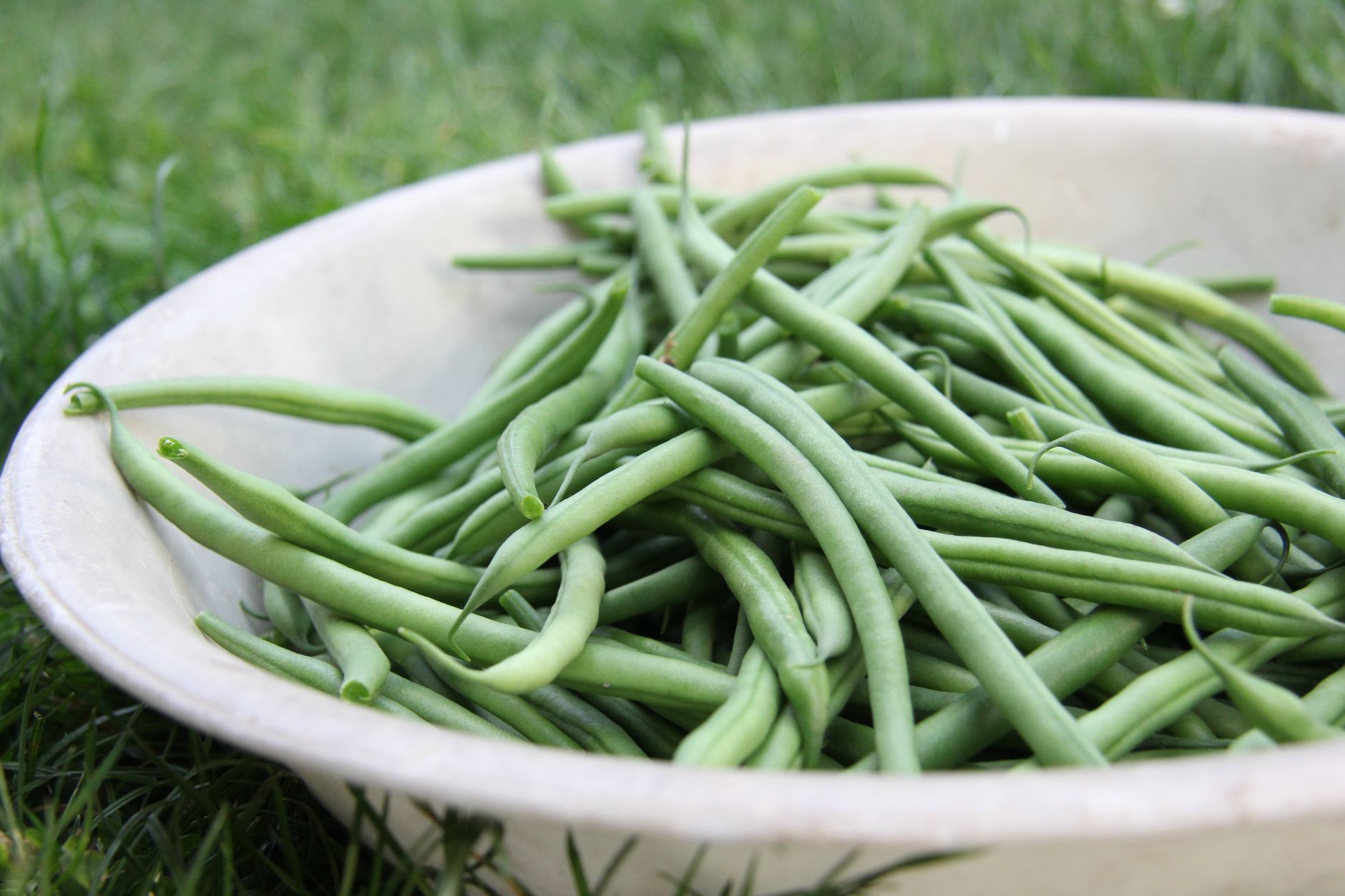
Green beans, with their vibrant color and snap-like texture, are a popular vegetable enjoyed in a variety of dishes. But many people wonder, can you eat green beans raw? The answer is yes, but there are important considerations regarding safety, preparation, and the best ways to enjoy them.
This article will guide you through all aspects of eating green beans raw, including food safety tips, preparation methods, and ways to incorporate them into your meals. You’ll also find insights on flavor profiles, selection, and storage to make the most of this nutritious green vegetable.
Can You Eat Green Beans Raw?
Yes, you can eat green beans raw. However, it’s essential to consider freshness, the cooking methods you plan to use, and individual health conditions. Freshly harvested green beans are crunchy, slightly sweet, and can add a delightful element to salads, snacks, or vegetable platters.
Understanding Green Beans
Green beans, also known as snap beans or string beans, belong to the Phaseolus vulgaris species. They come in various varieties, including haricots verts, which are thinner and more delicate, and traditional garden green beans, which are broader. Size, flavor, and texture can vary, affecting how they are best enjoyed raw or cooked.
Health Benefits of Green Beans
Green beans are not only delicious but also provide numerous health benefits. They are low in calories, high in fiber, and rich in vitamins, including vitamin C, vitamin K, and folate. Fiber aids digestion, while vitamins and minerals support overall health.
Food Safety Tips for Eating Raw Green Beans
When considering eating green beans raw, food safety is paramount. Here are some key safety tips:
- Choose Fresh Beans: Select bright green, firm beans without blemishes or discoloration. Avoid any that appear wrinkled or soft.
- Wash Thoroughly: Rinse green beans under cold water to remove any dirt or pesticides. You may also soak them in a vinegar solution for extra cleaning.
- Trim Ends: Remove the stem ends before eating to enhance texture and taste.
- Storage: Keep raw green beans in the refrigerator, preferably in a vegetable crisper or perforated bag, to maintain freshness.
Preparing Raw Green Beans
Preparation is key to enjoying raw green beans. Here’s how to properly prepare them for your meals:
- Wash: Rinse the green beans under cold running water.
- Dry: Use a clean kitchen towel or paper towels to dry the beans.
- Trim: Cut off the stem end of each bean, about a half-inch. If you prefer, you can also remove the tail end, but it is not necessary.
- Optional Blanching: If you’re concerned about raw beans, blanch them quickly in boiling water for about 1-2 minutes, then plunge them into an ice bath to stop cooking. This softens the beans slightly while retaining their vibrant color.
Flavor and Texture
Raw green beans have a crispy texture and a mildly sweet, grassy flavor. The crunchiness makes them enjoyable as a snack, while their subtle taste pairs well with various dips and dressings.
How to Incorporate Raw Green Beans Into Your Diet
There are many creative ways to enjoy raw green beans in your meals:
1. Salads
Raw green beans can be a crunchy addition to salads. Try mixing them with your favorite greens, cherry tomatoes, and a light vinaigrette for a refreshing dish. For a heartier option, add nuts and cheese.
2. Vegetable Platters
Serve raw green beans alongside hummus, ranch dressing, or your favorite dip for a nutritious snack. Their crispness pairs perfectly with the creamy texture of dips.
3. Stir-Fries and Sides
While typically cooked, including raw green beans as a garnish in a stir-fry can provide a nice contrast in texture. Add them at the end of the cooking process for a brief stir to warm them without cooking.
4. Smoothies
Blend trimmed, raw green beans into smoothies. Though it may sound unusual, they can add a unique crunch and boost your vegetable intake without overwhelming the flavor of the smoothie.
Common Mistakes When Eating Raw Green Beans
Avoid these common pitfalls when preparing raw green beans:
- Choosing Old Beans: Always opt for the freshest green beans, as older beans can be tough and less palatable when eaten raw.
- Neglecting to Wash: Not washing your green beans thoroughly can expose you to harmful bacteria or pesticide residues.
- Improper Storage: Failing to store fresh green beans properly can lead to spoilage. Keep them cool and dry to extend shelf life.
Substitutions and Variations
If you are looking for alternatives or variations to raw green beans, several options can provide a similar crunch and flavor:
- Snap Peas: These are sweet and crunchy, similar to green beans, and can easily replace them in salads or platters.
- Cucumber Sticks: With a refreshing flavor, cucumbers can provide a different texture while offering hydration.
- Carrot Sticks: Carrots can add a similar crunch and a sweeter flavor profile, making them excellent for dipping.
Storing Raw Green Beans
To keep your raw green beans fresh for as long as possible, follow these tips:
- Refrigeration: Store green beans in a perforated plastic bag to allow airflow. This helps prevent moisture buildup and mold.
- Do Not Wash Until Ready to Use: Avoid washing green beans until you’re ready to consume them, as excess moisture can lead to spoilage.
- Freezing for Later Use: If you have excess raw green beans, blanch them first before freezing. This helps maintain their color, flavor, and nutritional value.
Nutrition Information
For those interested in the nutritional aspects, raw green beans are low in calories and packed with essential vitamins and minerals. While exact values may differ based on preparation methods, it’s worth noting that:
- A 1-cup serving of raw green beans contains approximately 31 calories.
- They provide about 2 grams of protein and 1.5 grams of dietary fiber.
- Raw green beans are also a good source of vitamins A, C, and K, along with folate.
Conclusion
Raw green beans can be a delightful, crunchy addition to your meals. By following the food safety tips and preparation techniques outlined, you can enjoy them safely and deliciously. Their nutritional benefits, versatile uses, and bright flavor make them a fantastic choice for healthy snacking or meal enhancement. If you haven’t tried raw green beans before, now is a great time to experiment!
Explore more tips on cooking green beans with guidance on how long to cook fresh green beans or discover a delicious Asian green bean recipe to enjoy them cooked. Happy cooking!