
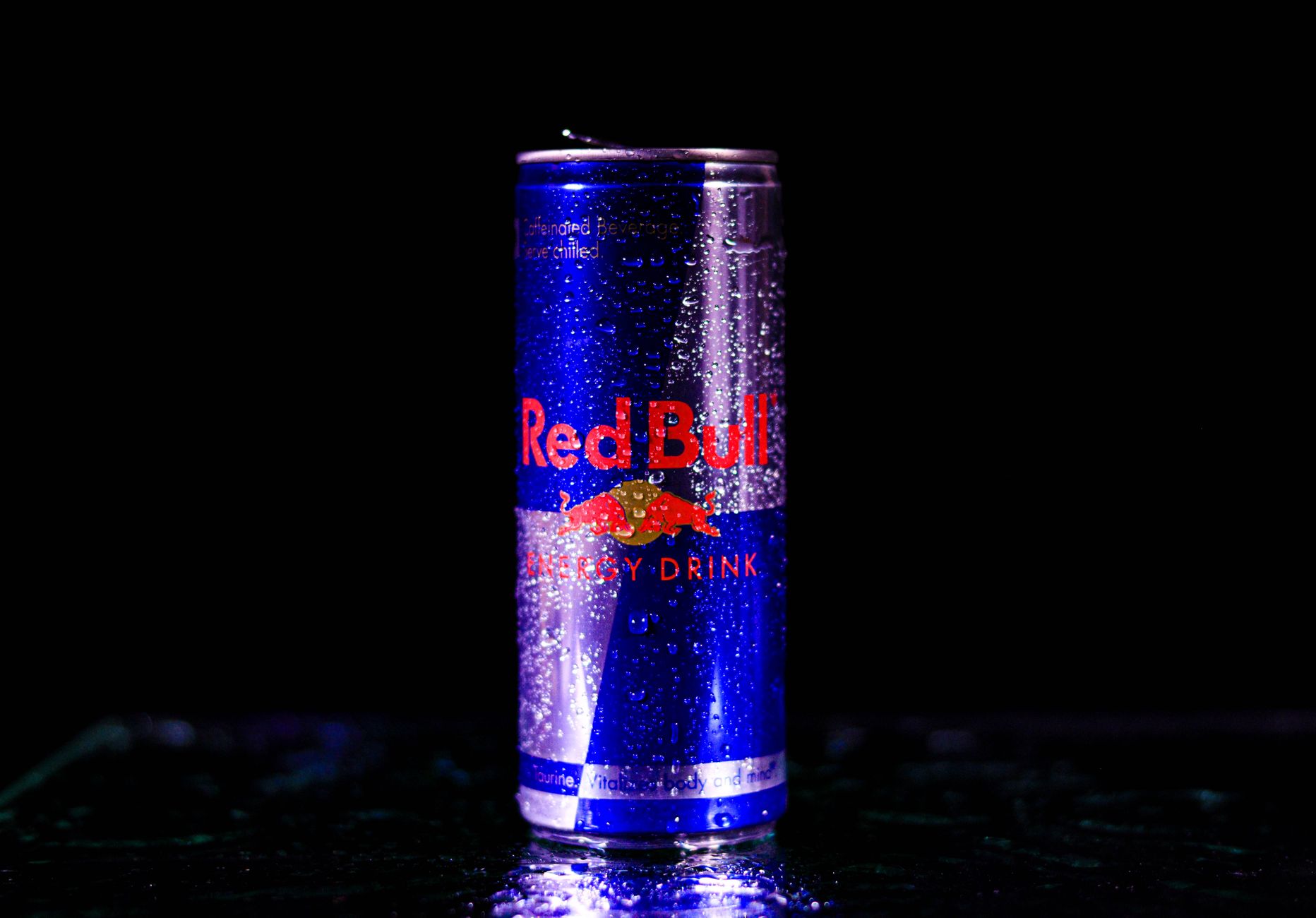
Pregnancy often comes with new dietary restrictions and an emphasis on healthier choices. Expectant mothers might wonder if it’s safe to continue consuming some of their favorite beverages, like energy drinks. One such beverage is Red Bull, which is popular for its ability to boost energy and improve focus.
In this article, we will explore whether drinking Red Bull during pregnancy is advisable. We will look into the contents of Red Bull, guidelines for caffeine intake during pregnancy, and provide practical alternatives for maintaining energy levels while ensuring the health of both mother and baby.
Can You Drink Redbull When Pregnant?
While it is not recommended to drink Red Bull during pregnancy due to its high caffeine and sugar content, moderate consumption may be acceptable on occasion. However, it’s essential to consider the total caffeine intake and follow guidelines set by health professionals.
Understanding Red Bull: Ingredients and Their Effects
Red Bull is an energy drink that typically contains several active ingredients that stimulate energy and alertness. Here are the main components:
- Caffeine: Each 8.4-ounce can of Red Bull contains about 80 mg of caffeine. This stimulant can enhance alertness but can also lead to sleep disturbances and increased heart rate, particularly important during pregnancy.
- Sugars: A standard can contains around 27 grams of sugar, which can contribute to excessive weight gain and gestational diabetes if consumed in large quantities.
- Taurine: This amino acid is included for its supposed energy-boosting properties but has not been extensively studied in pregnant women.
- B vitamins: Red Bull also contains several B vitamins, which are essential for energy metabolism but can typically be obtained from a balanced diet.
Caffeine Intake Guidelines During Pregnancy
Caffeine is a central concern when discussing energy drinks during pregnancy. The American College of Obstetricians and Gynecologists recommends limiting caffeine intake to about 200 mg per day. This guideline considers that caffeine can cross the placenta and affect fetal development, particularly in high amounts. Given that one can of Red Bull contains 80 mg, consuming two would exceed the recommended limit.
Risks of Excessive Caffeine Consumption
Consuming too much caffeine during pregnancy may lead to several risks:
- Miscarriage: Some studies suggest a link between high caffeine intake and an increased risk of miscarriage.
- Low Birth Weight: High caffeine consumption may result in babies being born small for their gestational age.
- Developmental Issues: High levels of caffeine can potentially lead to developmental problems in children.
Moderation is Key: Safe Levels of Consumption
While the occasional can of Red Bull may not pose an immediate risk, moderation is crucial. If you opt to consume it, keep in mind the following:
- Count other sources of caffeine such as coffee, tea, chocolate, and even some medications to remain within the daily limit.
- Be mindful of your body’s reactions. Excessive stimulation from caffeine can result in nervousness or sleep disturbances, both of which can be detrimental during pregnancy.
Healthier Alternatives to Red Bull
If you’re looking for ways to maintain your energy without consuming Red Bull or other energy drinks, consider these healthier alternatives:
1. Natural Fruit Juices
Fresh fruit juices can provide natural sugars alongside essential vitamins. Look for options that are low in added sugars to maximize health benefits.
2. Herbal Teas
Herbal teas, especially those designed to help with energy or digestion, can be good substitutes. Choose caffeine-free varieties like peppermint or ginger for a refreshing boost without caffeine.
3. Coconut Water
Coconut water offers a nice combination of natural sugars and electrolytes to help you stay hydrated and energized.
4. Smoothies
Creating smoothies from fruits, vegetables, Greek yogurt, and even a handful of spinach can give you a sustained energy boost with essential nutrients.
5. Water Infusion
Infusing water with slices of fruits such as lemon, lime, or berries can enhance flavor and provide hydration, helping you feel more alert.
How to Manage Energy Levels During Pregnancy
In addition to considering beverages, maintaining energy levels during pregnancy involves lifestyle choices and habits:
- Balanced Diet: Focus on a nutrient-rich diet consisting of whole grains, lean proteins, fruits, vegetables, and healthy fats to sustain long-term energy.
- Regular Exercise: Staying active through moderate exercise can also improve energy levels. Aim for pregnancy-safe activities like walking or prenatal yoga.
- Quality Sleep: Prioritize getting enough rest. Sleep disturbances can impact energy levels, making fatigue more pronounced during the day.
- Frequent Small Meals: Instead of three large meals, consider having smaller, more frequent meals throughout the day to manage energy levels better.
Common Myths About Energy Drinks During Pregnancy
Many misconceptions surround energy drinks and pregnancy. Here are a few clarifying points:
Myth: All Energy Drinks are the Same
Not all energy drinks contain the same amount of caffeine or sugars. Ingredients vary widely, so it’s important to check labels rather than assuming that one brand is equivalent to another.
Myth: Natural Ingredients Equals Safe to Consume
Natural ingredients don’t always mean they are safe during pregnancy. Some herbal additives can have adverse effects, so research and consult with a healthcare provider before consumption.
Myth: Caffeine is Completely Off-Limits
Moderate caffeine consumption is generally acceptable in pregnancy. It’s essential to focus on staying within recommended limits rather than eliminating all sources.
Consulting with Your Healthcare Provider
Before making any changes to your dietary choices during pregnancy, it is best to consult your healthcare provider. They can provide personalized advice based on your health history and current pregnancy status. Discussing your caffeine consumption, energy levels, and lifestyle changes can lead to a plan that suits you best.
Practical Tips for Staying Energized
Here are some additional tips to maintain energy throughout pregnancy:
- Stay Hydrated: Ensure adequate hydration throughout your day, as dehydration can lead to fatigue.
- Limit Processed Foods: Processed foods with high sugar content can lead to energy spikes and crashes.
- Prioritize Mental Well-Being: Stress management techniques like mindfulness, meditation, or light reading can help maintain mental energy.
Conclusion
While it’s not advisable to drink Red Bull regularly during pregnancy due to its high caffeine and sugar levels, occasional consumption may be manageable within the recommended limits for caffeine intake. Always prioritize a balanced diet, adequate hydration, and consulting with healthcare professionals regarding your choices. Explore healthier alternatives to stay energized and maintain overall well-being during your pregnancy.
If you are looking for new recipes or meal ideas to complement your journey, check out our Chia Pudding Recipe or learn How Long Chia Seeds Should Soak for the best results in your meals.