
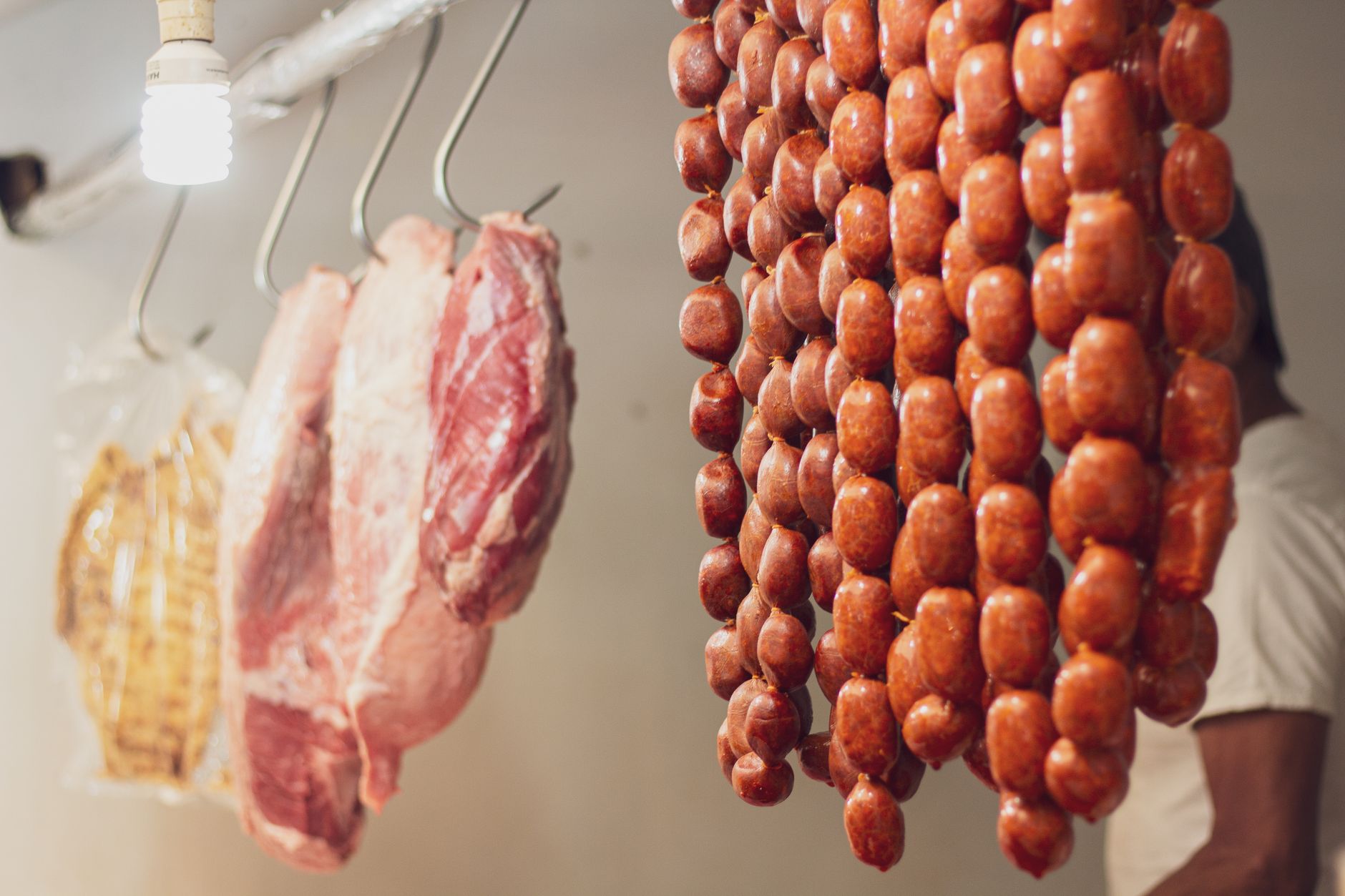
Chorizo is a popular type of sausage known for its bold, spiced flavor and vibrant red color. It’s primarily made from pork, but variations made from beef or even chicken can also be found. Understanding the origins and variations of chorizo can enhance your culinary experience, whether you’re cooking traditional dishes or exploring new recipes.
This article provides insights into what animal chorizo comes from, its differences across cultures, culinary uses, and serving ideas to elevate your meals.
What Animal Is Chorizo?
Chorizo is most commonly made from pork, specifically ground pork mixed with spices, seasoning, and sometimes additional fats. In some regions or recipes, beef, chicken, or even turkey can be used as alternative protein sources, but pork remains the traditional choice.
The Origins of Chorizo
Chorizo originates from the Iberian Peninsula, with strong Spanish and Portuguese influences. Its popularity has spread globally, especially to Latin America, where local variants have emerged. Each region infuses its own flavors and spices into the sausage, leading to diverse culinary traditions.
Types of Chorizo
There are two primary types of chorizo: Spanish chorizo and Mexican chorizo. Understanding the differences between these two can greatly affect how they are used in cooking.
Spanish Chorizo
Spanish chorizo is usually cured and smoked, giving it a firm texture. Its bright color comes from the use of paprika, which adds both flavor and aroma. This version is often sliced and served as a tapas item or used in stews and paellas.
Mexican Chorizo
Mexican chorizo is typically fresh and uncooked, requiring sautéing or cooking before consumption. It is blend of ground pork with spices and herbs such as cumin, garlic, and chili, providing a spicier kick. This type of chorizo is commonly used in tacos, burritos, and breakfast dishes.
Flavor Profile and Spices
The flavor of chorizo can vary widely based on the type and preparation methods. Here’s a breakdown of common spices and ingredients that contribute to its distinct flavor profile:
- Paprika: Adds heat and smokiness, especially crucial in Spanish varieties.
- Cumin: Often used in Mexican chorizo for warmth and earthiness.
- Garlic: Provides a robust flavor that complements the meat.
- Oregano: Contributes a hint of herbaceousness.
- Vinegar: Enhances the acidity and balances fat; commonly found in Mexican recipes.
Culinary Uses of Chorizo
Chorizo can be incredibly versatile in the kitchen. Here are some popular ways to incorporate it into your meals:
Cooking with Spanish Chorizo
- Paella: Use Spanish chorizo as a key ingredient in this famous rice dish, alongside seafood and vegetables for an aromatic burst of flavor.
- Tortilla Española: This classic Spanish omelet can be enhanced with slices of chorizo for added richness.
- Charcuterie Boards: Serve slices of cured chorizo on a charcuterie board as a flavorful accent to cheeses and olives.
Cooking with Mexican Chorizo
- Tacos: Brown the chorizo in a skillet, then serve in taco shells with toppings like diced onions, cilantro, and salsa.
- Breakfast Burritos: Combine scrambled eggs with cooked chorizo and wrap in a tortilla for a hearty breakfast option.
- Chili: Add chunks of chorizo in your chili or bean stew for a smoky and spicy kick.
Serving Ideas for Chorizo
When serving chorizo, consider adding complementary ingredients to enhance your dish. Here are some pairing suggestions:
- Cheese: Pair with sharp cheeses, such as Manchego or Cotija, to balance the spiciness.
- Vegetables: Serve alongside roasted peppers, grilled corn, or sautéed greens to provide freshness.
- Sauces: Consider drizzling with aioli, salsa verde, or chimichurri for an extra layer of flavor.
Storage and Shelf Life
Proper storage is crucial for maintaining the freshness and safety of chorizo:
- Uncooked Chorizo: Store raw chorizo in the refrigerator for up to two days, or freeze for up to three months.
- Cured Chorizo: Once opened, keep cured chorizo in the refrigerator. It can last several weeks if sealed tightly.
Chorizo Substitutions
If you’re unable to find chorizo or prefer an alternative, consider the following substitutes:
- Italian Sausage: This can be a good substitute for a milder flavor. Use sweet or hot varieties as per your spice tolerance.
- Ground Turkey: Seasoned ground turkey can replicate the texture of chorizo while offering a leaner option.
- Homemade Spice Mix: Create a mixture of ground pork and spices like paprika, cumin, garlic, and chili powder for a DIY option.
Common Mistakes When Cooking with Chorizo
While cooking with chorizo can be straightforward, there are several pitfalls to avoid:
- Overcooking: Especially for Mexican chorizo, be careful not to overcook it, as it can become dry.
- Ignoring the Fat: Chorizo is naturally fatty; don’t drain away all the grease when browning, as this contributes flavor.
- Skipping Tasting: Always taste while cooking to adjust seasoning and flavor balance, particularly with spicy varieties.
Chorizo and Dietary Considerations
For those with dietary restrictions or preferences, there are several points to consider when selecting chorizo:
- High in Fat: Traditional chorizo can be high in fat and calories. Consider using leaner varieties or consume it in moderation.
- Sodium Content: Cured chorizo can be salty. If you’re watching your sodium intake, look for lower-sodium options or adjust other salts in your recipes accordingly.
- Allergies: Always check for allergens in commercial chorizo variations, particularly in spices or flavorings.
Chorizo Recipes to Try
If you’re inspired to work with chorizo in your cooking, consider trying these delicious recipes:
Chorizo and Eggs Breakfast Bowl
A filling breakfast bowl with scrambled eggs, sautéed chorizo, and spiced potatoes can kickstart your day with flavor.
Chorizo-Stuffed Peppers
Bell peppers can be stuffed with a mixture of chorizo, rice, and beans, then baked until tender for a vibrant and hearty dish.
Chorizo Quesadillas
Layer cooked chorizo and cheese between tortillas and grill until crispy, serving with salsa and guacamole.
Conclusion
Chorizo is a versatile and flavorful sausage that can bring life to many dishes. With its rich history and cultural significance, it’s clear why it remains a favorite ingredient in various cuisines. Now that you know more about the different types and how to use chorizo, it’s time to experiment in your kitchen!
For additional recipes or cooking tips, feel free to explore our guides on Andouille Sausage Recipe and Pork Chop Supreme Recipe.