
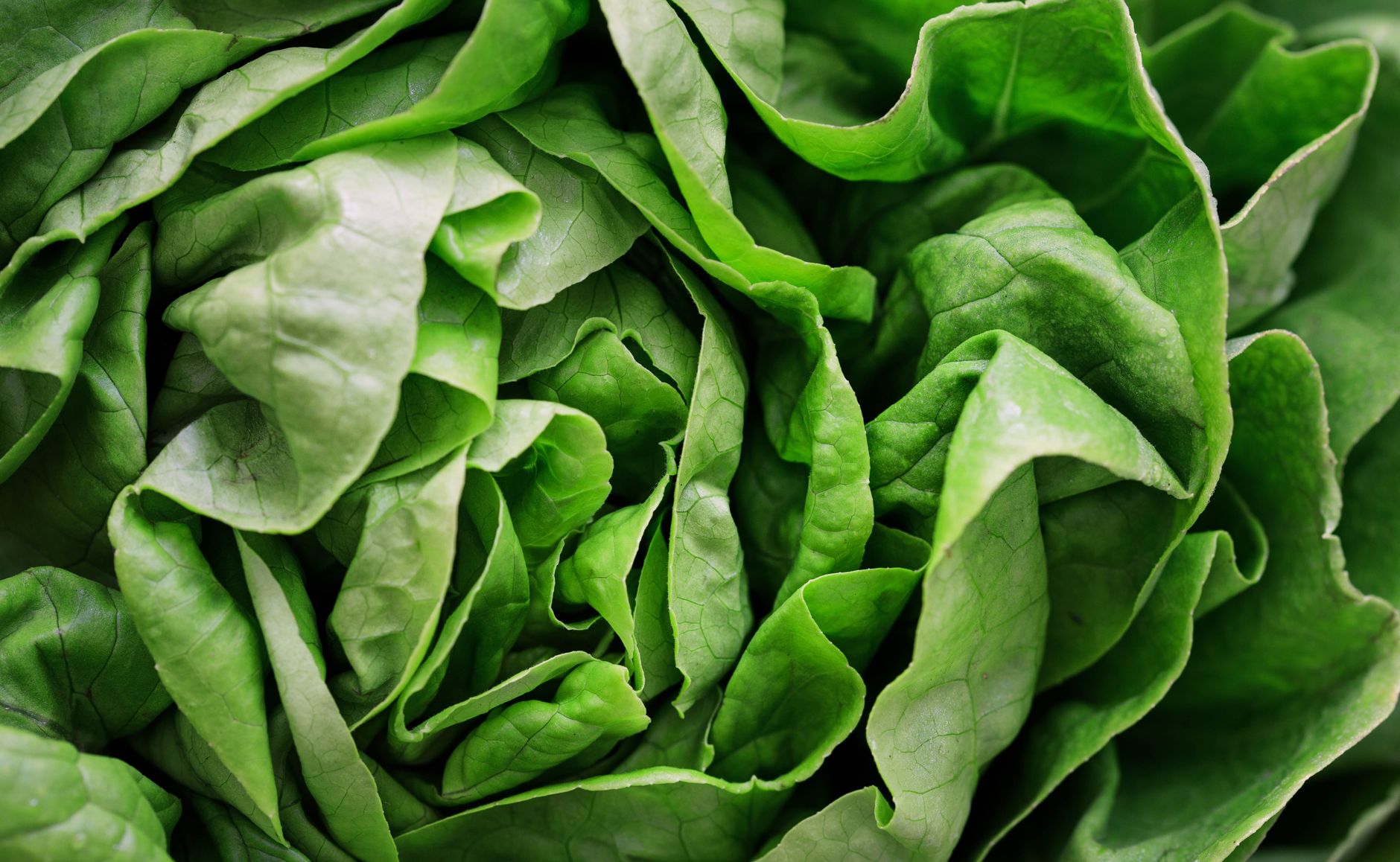
Salads can be a refreshing and nutritious addition to any meal, but many people have questions about when, why, and how to enjoy them. In this detailed guide, we will explore various aspects of salads, diving into the types of ingredients you can use, preparation methods, and serving ideas to help you make delightful salads all year round.
Whether you are aiming for a crispy green salad, a hearty grain salad, or a colorful fruit salad, this article covers everything from ingredient selection to creative presentation ideas. Read on to find out how to elevate your salad game!
Can We Eat Salad Yet?
Yes, you can eat salad anytime you want! Salads are versatile, suitable for any meal, and can be customized based on seasonal ingredients, dietary preferences, or personal taste. Here, we will provide insights that make salads relevant and appetizing no matter the time of year.
Understanding Salad Types
Salads can be broadly categorized into several types. Understanding these distinctions can help you select the right one for any occasion.
Green Salads
Green salads primarily consist of leafy vegetables. Common base ingredients include:
- Romaine lettuce
- Spinach
- Arugula
- Kale
- Lettuce mixes
These salads can be topped with a variety of ingredients, such as vegetables, fruits, nuts, seeds, and proteins.
Grain Salads
Grain salads are hearty and filling, typically featuring cooked grains as the base. Some popular options include:
- Quinoa
- Farro
- Couscous
- Barley
These salads often include vegetables, herbs, and a dressing to bring all the flavors together.
Fruit Salads
Fruit salads highlight fresh fruits and are a great option for desserts or appetizers. Typical components might include:
- Berries
- Melons
- Citrus fruits
- Pineapple
Complementary ingredients like yogurt or mint can enhance their flavor.
Protein Salads
These salads are packed with protein sources, making them suitable for a meal. They might include:
- Chicken or turkey
- Fish or seafood
- Beans or legumes
- Tofu
Protein salads are filling and can serve as a complete meal when paired with vegetables and dressing.
Ingredients: What to Include in Your Salad
Choosing the right ingredients can make or break your salad. Here, we explore various categories of salad ingredients.
Fresh Vegetables
When selecting vegetables, aim for a variety of colors and textures. Consider the following:
- Cherry tomatoes
- Cucumbers
- Bell peppers
- Radishes
- Carrots
- Avocado
These vegetables not only add flavor but also provide essential nutrients and a pop of color.
Fruits for Flavor
Fruits can offer sweetness and acidity to balance the flavors. Some popular salad fruits include:
- Apple slices
- Mango chunks
- Pear slices
- Dried fruits (like raisins or cranberries)
Nut and Seed Crunch
Add some crunch with nuts and seeds. They also contribute healthy fats and protein. Options include:
- Walnuts
- Almonds
- Pumpkin seeds
- SUNFLOWER seeds
Herbs and Spices
Fresh herbs can enhance the flavor of salads. Consider using:
- Basil
- Cilantro
- Parsley
- Dill
Dressing: The Finishing Touch
A good dressing brings all the ingredients together. Here are some common salad dressings:
- Vinaigrette
- Ranch dressing
- Creamy Caesar dressing
- Balsamic reduction
You can easily make your own dressing at home using oil, vinegar, and seasonings.
Preparing Your Salad
Preparation is key to a great salad. Follow these steps to get your ingredients ready.
Washing and Drying Greens
Proper washing ensures your salad is safe to eat. Rinse your greens under cold water and spin them in a salad spinner or pat them dry with a towel. This step prevents a soggy salad.
Chopping and Slicing
Cut vegetables and fruits into bite-sized pieces for easy eating. Uniform sizes not only look more appealing but also allow for even flavor distribution.
Layering Ingredients
Layer your salad in a bowl to create an attractive presentation. Start with a base of greens, followed by proteins, vegetables, fruits, and toppings. Finish with dressing or serve it on the side.
Creative Serving Ideas
Salads can be served in numerous ways to make them more enjoyable and visually appealing.
Salad Bowls
Use large bowls for communal salads. This approach invites sharing and allows guests to customize their salads with various toppings.
Individual Servings
Consider using mason jars or small bowls for individual portions. Layering ingredients in jars also keeps them fresh longer.
Salad Wraps
Use large leaves of lettuce or cabbage as wrap bases. Fill them with salad ingredients and protein for a hand-held option.
Stuffed Fruits or Vegetables
Stuff halved avocados, tomatoes, or cucumbers with salad mixtures for an elegant presentation.
Meal Planning with Salads
Salads can become a key element in your weekly meal planning, offering flexibility and variety. Here’s how to incorporate them into your routine.
Batch Prep Ingredients
Prepare ingredients in advance and store them in the refrigerator. This way, you can throw together a salad quickly during busy meals. Consider prepping:
- Chopped vegetables
- Cooked grains
- Pre-cooked proteins (like grilled chicken or boiled eggs)
- Dressed greens (in separate containers to avoid sogginess)
Mix and Match
To keep salads interesting, utilize a template. Select one ingredient from each category (greens, veggies, protein, toppings, dressing) and mix them accordingly throughout the week.
Be Mindful of Seasonal Produce
Each season offers unique flavors. In spring, consider using asparagus and peas; in summer, go for tomatoes and cucumbers. Fall can feature roasted squash, while winter might highlight brussels sprouts and citrus fruits.
Common Mistakes to Avoid
While salads may seem simple, some common pitfalls can affect your salad-making experience.
Overdressing
Too much dressing can make salads soggy and overpower the flavors. Start with a small amount, toss, and add more if necessary.
Soggy Greens
Wet greens can lead to a limp salad. Always dry them thoroughly after washing to maintain crunch.
Forgetting Seasoning
Fresh ingredients often need seasoning to shine. Consider adding salt, pepper, herbs, and citrus to enhance the flavors.
Storage and Preservation
Knowing how to store salads properly can maximize their freshness.
Storage for Prepared Salads
Store salads in airtight containers in the refrigerator. However, avoid mixing dressing into the salad until you’re ready to eat:
Length of Freshness
Greens typically last 3-5 days, whereas grain salads may last up to a week due to the longer shelf life of grains. Always check for signs of spoilage before consumption.
Exploring Dressing Options
Dressing is an essential component of any salad. Making your own can add unique flavor and avoid preservatives. Here are basic recipes for some popular salad dressings.
Balsamic Vinaigrette
- In a bowl, whisk together 3 parts olive oil to 1 part balsamic vinegar.
- Add salt, pepper, and a teaspoon of Dijon mustard, if desired.
- Whisk until emulsified.
Classic Ranch Dressing
- Combine 1 cup sour cream, 1/2 cup mayonnaise, and 1/2 cup buttermilk in a bowl.
- Add garlic powder, onion powder, salt, and pepper to taste.
- Mix in fresh chopped chives or dill for added flavor.
Lemon Herb Dressing
- Mix 1/4 cup olive oil and 1/4 cup freshly squeezed lemon juice in a bowl.
- Add chopped fresh herbs like parsley, dill, or cilantro.
- Season with salt and pepper to taste.
Salad Pairing with Main Dishes
Salads can complement a wide variety of main dishes. Here are some classic pairings:
Grilled Meats
A refreshing green salad pairs well with grilled chicken, steak, or fish, adding brightness and crunch to heavier proteins.
Pasta Dishes
For a rich pasta dish, a light salad with citrus dressing can provide balance and cleanse the palate.
Sandwiches and Wraps
A side salad makes a great accompaniment to sandwiches or wraps, providing a crispy texture contrast.
Conclusion
Salads are versatile, vibrant, and can be a deliciously complex addition to any meal, no matter the season. With the right ingredients and preparation techniques, you can create a refreshing dish that satisfies your taste buds. So, yes, you can eat salad anytime!
For some inspiration, check out our olive salad recipe or try the delicious Waldorf salad recipe for something unique and flavorful!