
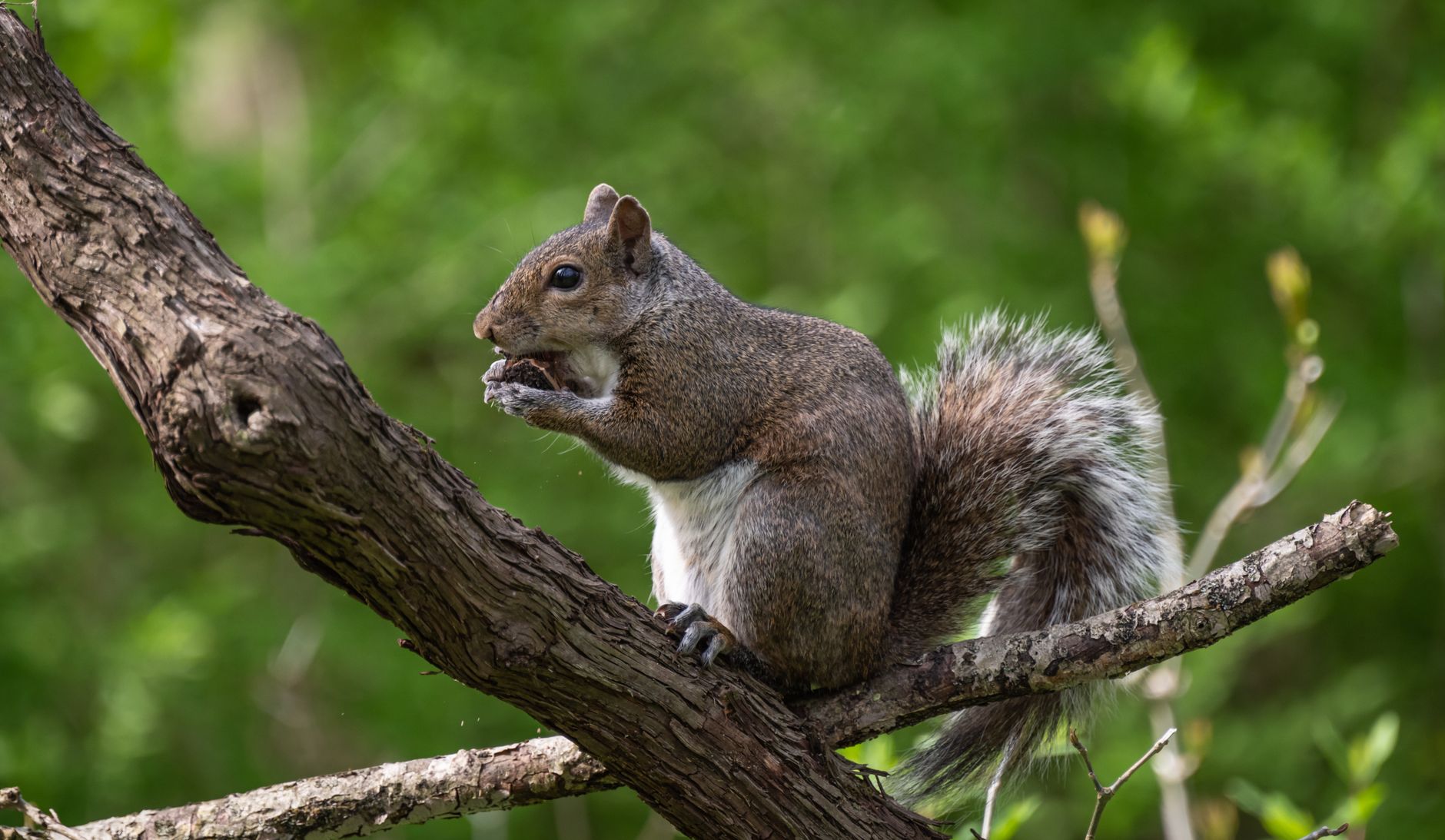
Squirrels are fascinating creatures and often find themselves rummaging through gardens or raiding bird feeders. As a squirrel enthusiast or someone just curious about wildlife, you may wonder if grapes are a suitable snack for these lively animals. This article will explore whether squirrels can safely eat grapes and provide insights into their dietary needs.
Understanding a squirrel’s diet is essential for making informed choices about what to feed them. While many people enjoy observing these playful critters, it’s crucial to ensure that any food offered is safe and beneficial. So, can squirrels eat grapes? Let’s dive into the details.
Can Squirrels Eat Grapes?
Yes, squirrels can eat grapes. Grapes are not toxic to squirrels and can be a tasty treat when offered in moderation. However, there are important considerations to keep in mind when feeding grapes to squirrels and understanding their dietary requirements.
Nutritional Profile of Grapes
Grapes are sweet, nutritious fruits that offer several health benefits. They are low in calories and high in vitamins and minerals. Here’s a breakdown of the key nutrients found in grapes:
- Vitamins C and K: Essential for maintaining a healthy immune system and supporting bone health.
- Antioxidants: Grapes contain antioxidants like resveratrol, which may help reduce inflammation.
- Fiber: Important for digestive health.
- Natural Sugars: Provides a quick source of energy.
While these nutrients can be beneficial, moderation is key, as excessive sugar intake from grapes can lead to health issues.
Squirrel Dietary Needs
Squirrels have a diverse diet that primarily consists of:
- Nuts: Acorns, walnuts, and hazelnuts are rich in fats and proteins.
- Seeds: Sunflower seeds and pumpkin seeds provide essential nutrients.
- Fruits and Berries: Apples, berries, and other fruits are enjoyed and can provide hydration.
- Vegetables: Leafy greens and roots can contribute to their diet.
Squirrels are omnivorous and thrive on a variety of foods. While grapes can be a part of their diet, it’s essential to ensure that fruits do not constitute the majority of their intake.
Benefits of Feeding Grapes to Squirrels
Feeding grapes to squirrels can have certain benefits:
- Hydration: Grapes contain a high water content, which can help keep squirrels hydrated, especially in hot weather.
- Variety: Offering different foods can encourage squirrels to explore new tastes and maintain interest in foraging.
- Veteran or Injured Squirrels: Grapes can provide easy energy for recovering or older squirrels that may struggle with harder foods.
Risks of Feeding Grapes to Squirrels
Despite the benefits, there are risks associated with feeding grapes to squirrels:
- Sugar Content: Grapes are high in natural sugars, which can lead to obesity and other health issues if consumed too often.
- Potential Digestive Issues: Some squirrels may experience upset stomachs if they eat too many grapes, leading to diarrhea.
- Dependency on Human-Provided Foods: Regularly feeding squirrels can create a reliance on human-provided food sources rather than natural foraging.
How to Safely Feed Grapes to Squirrels
To safely introduce grapes into a squirrel’s diet, follow these guidelines:
- Wash Thoroughly: Always wash grapes to remove pesticides and harmful residues that may be harmful to squirrels.
- Cut into Smaller Pieces: This helps minimize choking hazards and allows for easier consumption.
- Limit Portions: Offer grapes as an occasional treat rather than a staple food.
- Observe Behavior: Monitor how squirrels react to grapes to ensure they are digesting them well and are not developing preferences for sugary foods over their natural diet.
Other Safe Fruits for Squirrels
If you’re considering offering fruits to squirrels, here are some other safe options:
- Apples: Remove the seeds and offer them in small pieces.
- Bananas: High in potassium but should be given in moderation.
- Strawberries: Packed with vitamins and relatively safe when provided fresh.
- Berries: Blueberries, raspberries, and blackberries can be offered whole.
Common Mistakes When Feeding Squirrels
When feeding squirrels, there are several common pitfalls to avoid:
- Overfeeding: Don’t provide excessive amounts of any food; moderation is essential.
- Unwashed Food: Always wash fruits and vegetables to remove harmful substances.
- Feeding Only Processed Foods: Avoid giving squirrels food that is high in salt, sugar, or other additives. Stick with fresh, natural options.
- Neglecting Natural Foraging: Ensure that squirrels still have access to their natural food sources.
How to Create a Squirrel-Friendly Environment
If you’re looking to encourage squirrels to visit your yard or garden, consider the following tips:
- Plant Native Trees: Oak, hickory, and walnut trees produce food that attracts squirrels.
- Provide Water: A shallow dish of water can be a refreshing source, especially in hot weather.
- Squirrel Feeders: Installing a squirrel feeder can help manage feeding and allow squirrels to consume meals without human interference.
- Minimize Predators: Make sure the environment is safe from pets or other predators that may stress squirrels.
Conclusion
Squirrels can indeed enjoy grapes as a tasty treat, but it’s vital to offer this fruit in moderation. By understanding their dietary needs and feeding safely, you can support the health of these delightful creatures and enrich your experience watching them in their natural habitat. Moreover, consider offering a variety of other fruits and nuts to create a balanced diet for your furry friends.
Continue exploring other food-related topics like making your own candied grapes or trying out a unique grape jelly meatball recipe. You can find these helpful guides at candied grapes recipe and grape jelly meatball recipe.