
Onions are a staple in countless dishes around the world, prized for their unique flavor and versatility. However, for those prone to heartburn or acid reflux, the question arises: can onions actually cause heartburn? Understanding how onions might affect digestion can help you make informed choices about their use in your meals.
In this guide, we will explore the types of onions, their potential digestive effects, and offer tips on how to enjoy them while minimizing discomfort. By the end, you will be equipped with practical knowledge to navigate your cooking and eating habits.
Can Onions Cause Heartburn?
Yes, onions can trigger heartburn in some individuals. This reaction may be due to their high fiber content and specific compounds that can relax the lower esophageal sphincter, allowing stomach acid to flow back into the esophagus. However, the impact varies by onion type and individual tolerance.
Understanding Onions and Their Types
Onions are a member of the Allium family, which also includes garlic, shallots, and leeks. They come in various types, each with distinct flavors and culinary uses:
- Yellow Onions: The most common variety, known for their balanced flavor and versatility in cooking.
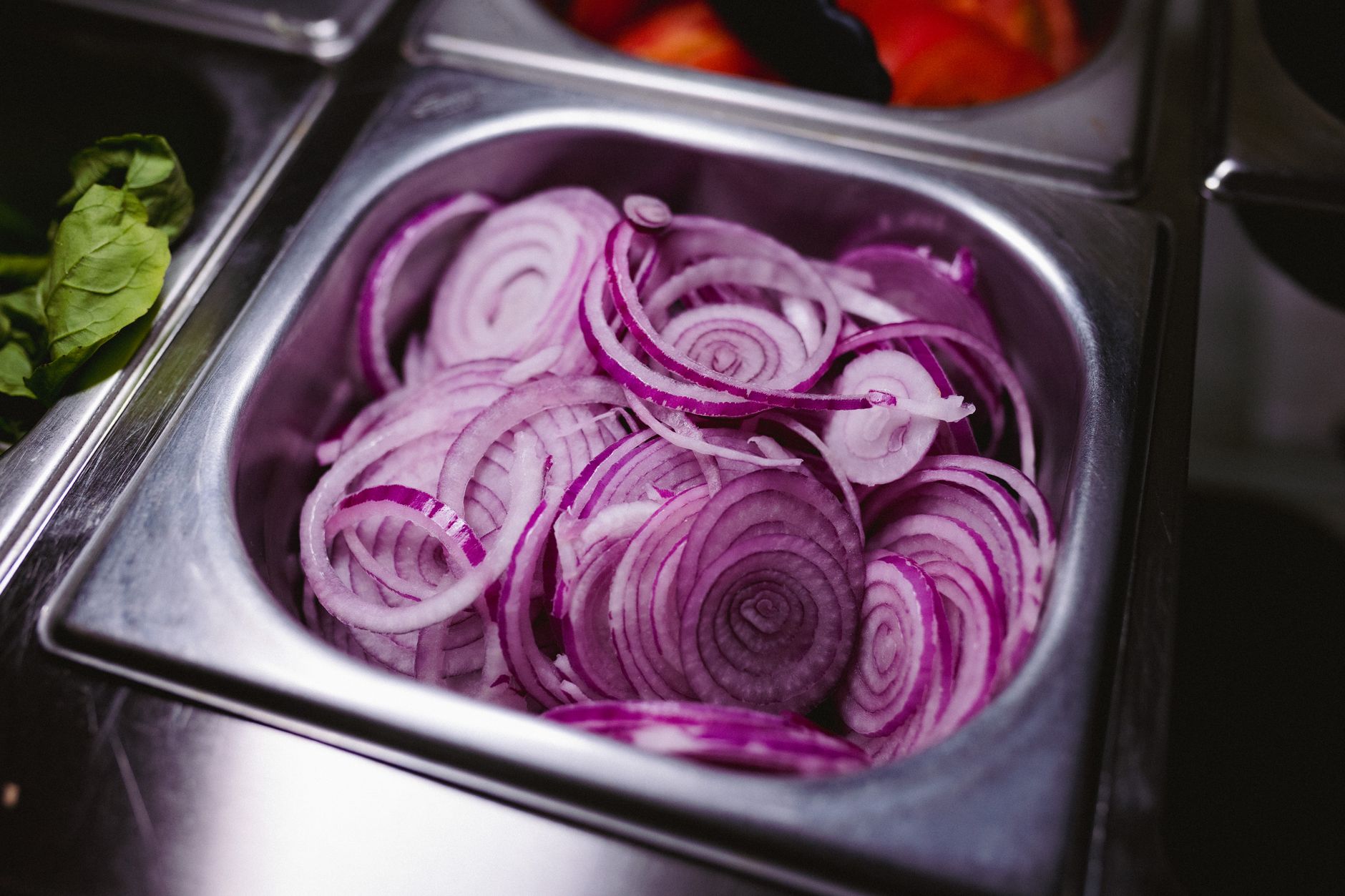
- Red Onions: Slightly sweeter, often used raw in salads and salsas due to their vibrant color.
- White Onions: Sharper in flavor, commonly used in Mexican dishes.
- Sweet Onions: Varieties like Vidalia or Walla Walla are known for their sweetness and lower sulfur content, making them milder.
- Shallots: A milder onion variety often used in upscale cooking, providing a subtler wine-like flavor.
The Science Behind Heartburn and Onions
Heartburn occurs when stomach acid flows back into the esophagus, which can cause discomfort and a burning sensation. Onions may contribute to this problem for several reasons:
1. Relaxation of the Lower Esophageal Sphincter
Onions can cause the lower esophageal sphincter (LES) to relax, allowing stomach acid to escape into the esophagus. This relaxation is associated with various foods, including rich, fatty, or spicy dishes, but onions have also been identified as potential contributors.
2. Acid Production
Onion consumption may increase gastric acid production. For some people, this can lead to an increase in heartburn symptoms, especially if consumed in large quantities or in certain preparations.
3. Individual Sensitivity and Tolerance
Just like other foods, individuals may react differently to onions. While some may enjoy them raw without issues, others may find that cooked onions exacerbate their heartburn symptoms. It’s essential to pay attention to your body’s reactions.
Using Onions in Cooking: Tips for Reducing Heartburn Symptoms
If you love the flavor of onions but want to minimize heartburn, here are some practical tips:
1. Cooking Techniques
How you cook onions can alter their effects on digestion:
- Cooking: Sautéing, caramelizing, or roasting onions can mellow their flavor and make them easier to digest.
- Avoid Raw Onions: If you experience heartburn, consider reducing or eliminating raw onions from your diet, as they tend to be more pungent and acidic.
- Pair with Other Ingredients: Combine onions with non-acidic foods like rice, beans, or whole grains to lessen the overall acidity of the dish.
2. Choose Sweet Varieties
Opting for sweeter onion varieties, such as Vidalia or Walla Walla, may provide a more pleasant flavor while being less harsh on the digestive system. These onions have higher sugar content and lower sulfur compounds, which can contribute to a milder taste and fewer symptoms.
3. Moderation is Key
Portion control is vital when it comes to eating onions. If you know that onions tend to trigger your heartburn, consider using smaller amounts or only including them as a garnish instead of the main ingredient.
4. Keep a Food Journal
Tracking what you eat and how you feel afterward can provide valuable insights into your specific triggers. This self-monitoring can help you determine if it’s the onions or other ingredients causing heartburn symptoms.
Common Mistakes When Cooking with Onions
Even seasoned cooks can fall into traps when using onions. Here are some common mistakes to avoid:
1. Overcooking
Burned onions can develop a bitter taste that might aggravate heartburn. Pay attention to their cooking time and remove them from the heat when they’re golden brown and fragrant.
2. Insufficient Soaking
If using raw onions in a salad or dish, soaking sliced onions in cold water for about 15 minutes can help reduce their harshness. This technique draws out some of their sulfur compounds, making them milder.
3. Ignoring Pairings
Certain ingredients can enhance onions’ flavor but may also lead to discomfort. For example, pairing onions with spicy ingredients or heavy oils can create a recipe that’s delicious yet troublesome for those prone to heartburn.
Storage of Onions: Maintaining Freshness
Proper storage of onions can preserve their flavor and efficacy in your cooking. Here are tips for storing different types of onions:
1. Whole Onions
Store whole onions in a cool, dry, and well-ventilated space. An onion bag or mesh bag works best to prevent moisture buildup and ensure air circulation. Avoid storing onions in plastic bags, as this can trap humidity.
2. Cut Onions
Once an onion is cut, store it in an airtight container in the refrigerator for up to 7 days. Make sure to wrap it tightly to prevent it from absorbing other odors from the fridge.
3. Freezing Onions
If you won’t use them within a week, consider freezing onions. Chop them into pieces, spread them on a baking sheet to freeze individually, then transfer them to freezer bags for long-term storage. This method allows you to have prepped onions on hand without the risk of them spoiling.
Recipe Ideas Featuring Onions with Heartburn Considerations
Enjoying the flavor of onions without aggravating heartburn requires some creativity. Here are a few recipe ideas that incorporate onions while aiming to minimize heartburn triggers:
1. Caramelized Onion Quinoa Salad
This wholesome salad uses caramelized onions to enhance the flavor without overwhelming the palate or digestive system.
- Ingredients:
- 1 cup quinoa
- 2 medium sweet onions, thinly sliced
- 2 tablespoons olive oil
- 1 bell pepper, diced
- 2 cups spinach
- Salt and pepper to taste
- Cook quinoa according to package instructions. Set aside.
- In a skillet, heat olive oil over medium heat. Add onions and cook until translucent and caramelized, about 15-20 minutes.
- Add bell pepper and spinach, cooking until the spinach is wilted.
- Combine the quinoa with the onion mixture, seasoning with salt and pepper before serving.
2. Onion and Vegetable Stir-Fry
This quick and easy stir-fry allows you to fill your plate with colorful vegetables while using onions as a flavor base.
- Ingredients:
- 1 large sweet onion, sliced
- 2 cups assorted vegetables (carrots, broccoli, bell peppers)
- 1 tablespoon ginger, grated
- 2 tablespoons low-sodium soy sauce
- 1 tablespoon sesame oil
- Heat sesame oil in a large skillet over medium-high heat.
- Add onions and ginger, cooking until the onions are soft.
- Add assorted vegetables, cooking for about 5-7 minutes until tender.
- Pour in the soy sauce, stirring to coat the vegetables before serving.
3. Roasted Onion and Tomato Soup
This comforting soup features roasted onions and tomatoes, blending into a smooth, flavorful dish without excessive acidity.
- Ingredients:
- 4 large sweet onions, quartered
- 6 ripe tomatoes, halved
- 4 cups vegetable broth
- 2 tablespoons olive oil
- Salt and pepper to taste
- Preheat the oven to 400°F (200°C).
- On a baking sheet, toss onions and tomatoes with olive oil, salt, and pepper. Roast for 30-35 minutes until caramelized.
- In a large pot, add roasted vegetables and vegetable broth. Simmer for 15-20 minutes, then blend until smooth.
- Serve warm, garnished with fresh herbs if desired.
Final Thoughts on Onions and Heartburn
Onions can cause heartburn for some people, but this varies widely based on individual tolerance and preparation methods. To enjoy onions without discomfort, consider cooking them, using sweet varieties, and being mindful of portion sizes. Keeping a record of what works for you is instrumental in making informed choices.
Next time you’re in the kitchen, experiment with different ways to incorporate onions into your meals while keeping your digestive health in check. Explore more about cooking techniques or get inspired with new recipes by checking out our guides on creamed onions and onion jam.