
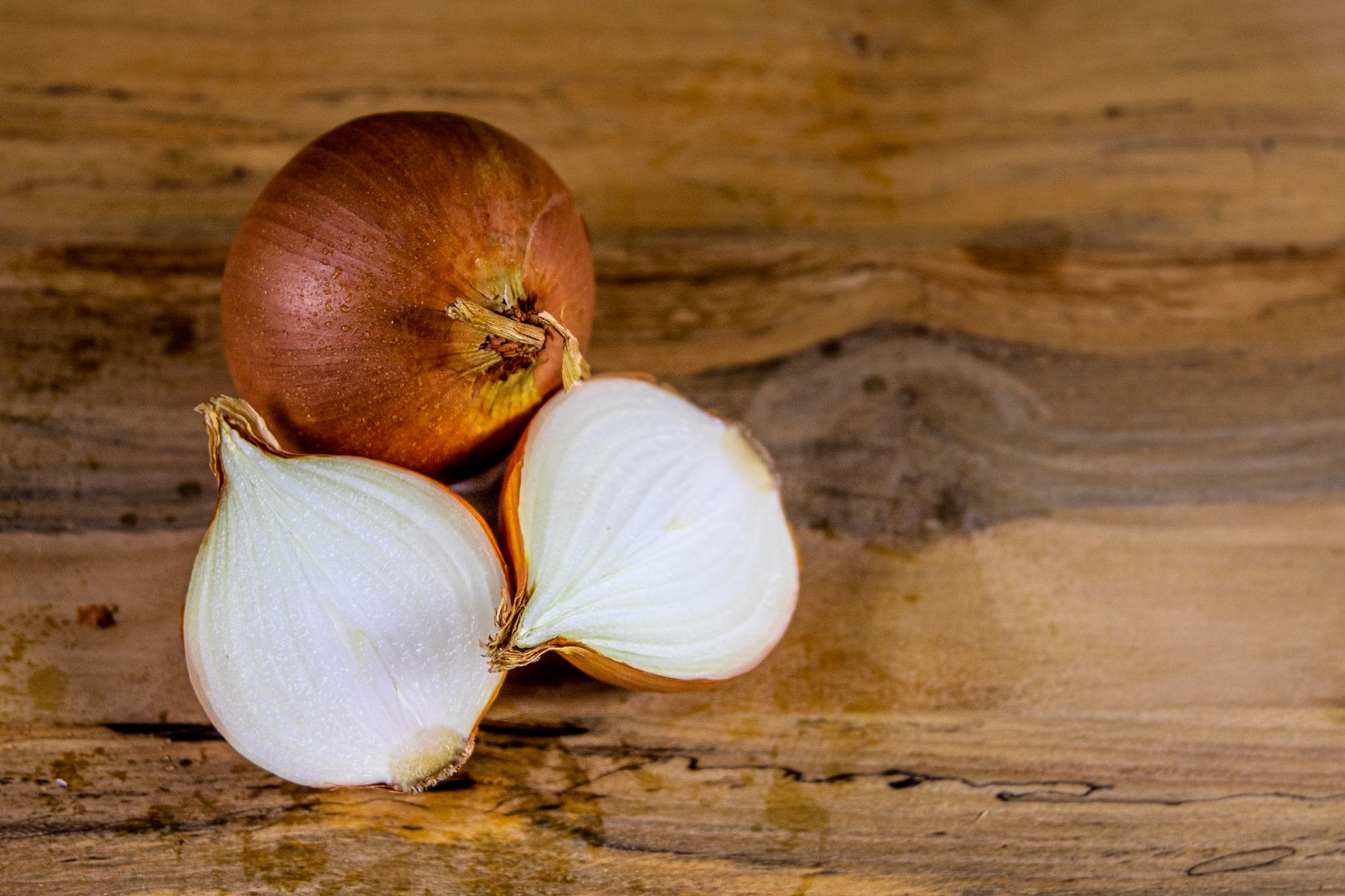
Onions are a classic ingredient in many cuisines, known for their strong flavor and versatility. However, a common concern is whether they can cause gas. This article examines the components of onions, their digestive effects, and tips for minimizing gas production while enjoying this beloved vegetable.
Understanding how onions can affect digestion is essential for anyone who experiences discomfort after meals. We will explore the science behind gas production due to onion consumption, how portion sizes make a difference, and practical advice for using onions in your cooking without the unwanted side effects.
Can Onions Cause Gas?
Yes, onions can cause gas due to their high content of certain carbohydrates, fibers, and sulfur compounds. These elements can be challenging for some people to digest, leading to gas production in the intestines. However, not everyone will have the same reaction to onions.
The Science Behind Gas and Digestion
When we consume food, our digestive system breaks it down using enzymes and bacteria. Some carbohydrate-containing foods, like onions, contain specific sugars (such as fructans) that resist complete digestion in the small intestine. Instead, these sugars travel to the large intestine, where gut bacteria ferment them. This fermentation process produces gas, leading to bloating and discomfort for some individuals.
In addition to fructans, onions also contain soluble and insoluble fibers that can further contribute to gas production. While fiber is essential for our digestive health, consuming excessive amounts—especially from sources that are hard to digest—can lead to intestinal discomfort.
Why Some People are More Affected Than Others
The degree to which onions cause gas can vary significantly among individuals. Several factors influencing this include:
- Gut Health: Individuals with a healthy gut microbiome may better tolerate onions, while those with digestive disorders may have heightened sensitivities.
- Portion Size: Consuming large amounts of onions increases the likelihood of gas production. Smaller, more manageable portions may not provoke the same discomfort.
- Cooking Method: How onions are prepared can also affect digestion. Cooked onions are often easier to digest than raw ones.
- Overall Diet: A diet high in fiber from various sources can influence how well one tolerates additional fibrous foods like onions.
Types of Onions and Their Effects on Gas Production
Different types of onions may have varying effects on gas production. Below are some common varieties:
Yellow Onions
Yellow onions are the most commonly used onions and have a balanced flavor. They contain both fructans and sulfur compounds, which can lead to gas in sensitive individuals.
White Onions
White onions have a sharper flavor and slightly higher water content. Their effects on gas may be similar to yellow onions due to their fructan content.
Red Onions
Red onions have a milder taste compared to yellow or white onions. They contain similar sugars but may be slightly easier for some people to digest.
Green Onions (Scallions)
Green onions are milder and may be better tolerated than other onion types. The green tops are often less gas-inducing than the bulb, making them a safer option for those sensitive to gas.
Portion Sizes and Sensitivity
When it comes to onions, moderation is key. Understanding what portion sizes work for you can help minimize gas production. Here are some guidelines:
- Small Portions: Start with a small amount, such as 1/4 to 1/2 of a medium onion, and observe your body’s response.
- Increase Gradually: If you tolerate small amounts well, gradually increase your intake while monitoring any symptoms.
- Pairing Onions: Cook onions with low-FODMAP foods or other vegetables to help balance your digestive response.
Cooking Techniques to Reduce Gas
How you prepare onions can significantly affect their digestibility. Here are some cooking techniques to make onions easier on your stomach:
Sautéing
Sautéing onions until they are soft and translucent helps to break down some of the tougher fibers and sugars, making them easier to digest. Aim to sauté onions over low to medium heat for 10-15 minutes.
Caramelizing
Caramelizing onions (cooking them slowly until they are brown and sweet) further softens their fibers and enhances the flavor, often making them more palatable for sensitive stomachs. This process can take 30-40 minutes.
Roasting
Roasting onions at 400°F (204°C) for about 30-40 minutes also helps break down their structure and sugars, resulting in a sweeter, more easily digestible onion.
Boiling
Boiling onions can soften them and remove some sulfates, reducing potential gas. Boil chopped onions for 5-10 minutes, then drain before adding them to dishes.
Practical Tips for Using Onions
Here are some practical tips to enjoy onions while reducing the chances of gas:
- Experiment With Types: If you find yellow onions difficult to digest, try switching to red or green onions.
- Combine Foods Wisely: Pair onions with foods that are easier to digest, like cooked vegetables or lean proteins.
- Use Onion Powder: For flavor without the gas, consider using onion powder, which may be less troublesome.
- Stay Hydrated: Drinking plenty of water can help support digestion and reduce the likelihood of gas.
- Chew Thoroughly: Properly chewing food can aid in the digestive process, allowing for better breakdown of onions and other fibrous vegetables.
Common Mistakes to Avoid
When incorporating onions into your diet, avoiding certain common mistakes can be beneficial in reducing gas production:
- Overeating Onions: Large servings of any high-FODMAP food can quickly lead to gas and bloating.
- Consuming Raw Onions Excessively: Raw onions tend to be more difficult to digest; consider limiting your intake of raw onion in salads or sandwiches.
- Ignoring Cooking Methods: Skipping cooking or sautéing can lead to a higher chance of experiencing gas, so always consider how you’re preparing the onions.
Exploring Onion Alternatives
If onions consistently cause discomfort, explore alternatives that can provide similar flavors without the same digestive issues. Here are some substitutes:
Shallots
Shallots have a milder flavor than onions and may be easier to digest. Use them as a direct substitute in recipes, as they provide a similar taste.
Leeks
Leeks belong to the onion family and have a more delicate flavor. They can also be used in soups and stews as a base instead of onions.
Garlic Scapes
The tender green shoots of garlic add a mild garlic flavor without the strong pungency of raw onions. They make an excellent substitute in salads or as a garnish.
Fennel
Fennel has a mild, sweet flavor and may be more stomach-friendly than onions. Use it raw in salads or cook it in various dishes.
How to Monitor Your Body’s Reaction
Keeping a food journal can help you track your onion consumption and symptoms. Noting what types of onions you eat and how they affect you will help identify patterns and sensitivities.
Tips for Serving Onions in Your Diet
Incorporating onions can elevate your dishes, but here’s how to do it mindfully:
- Adding to Sauces: Incorporate cooked onions into sauces or dressings for flavor without overwhelming your digestion.
- Using in Soups: They can be sautéed and added to soups for great depth of flavor while being carefully monitored.
- Garnishing: Consider using chopped green onions or a small amount of pickled onions as a garnish to enhance dishes without too much bulk.
Conclusion
Onions can indeed cause gas for some individuals, primarily due to their fructan content and how they are prepared. By understanding your body’s sensitivity, adjusting portion sizes, and experimenting with cooking methods, you can enjoy the rich flavors of onions while minimizing discomfort. Remember to monitor your intake and consider alternative ingredients if necessary.
Ready to explore onion recipes in a way that’s friendly to your digestive system? Try making onion jam or discover a delicious Tennessee onion recipe to enjoy their flavor with ease!