
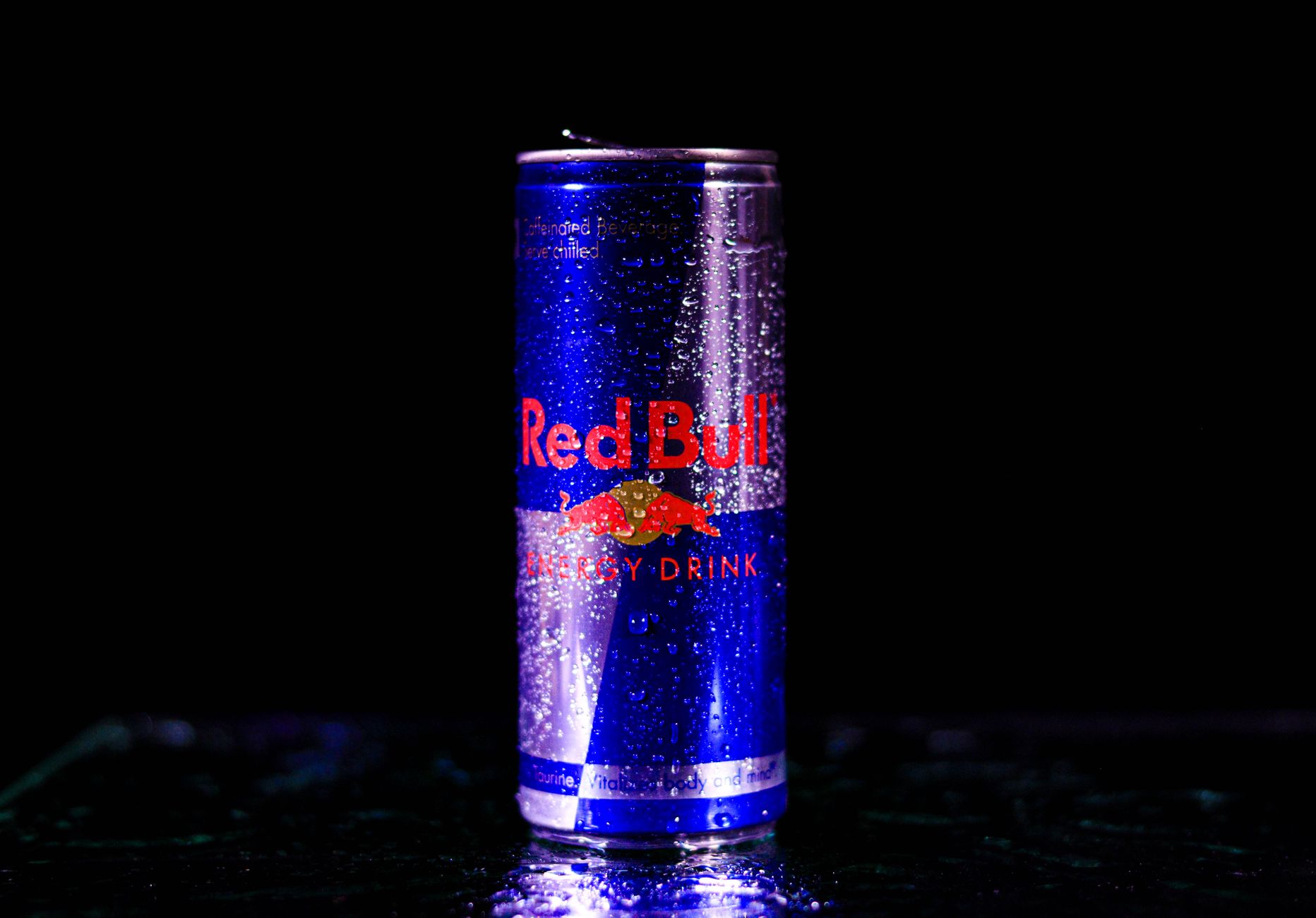
As a pregnant individual, you may have many questions about dietary choices, including the consumption of energy drinks like Red Bull. With a mix of caffeine, taurine, and sugar, these beverages offer a quick boost but come with concerns, especially during pregnancy.
This article will explore the implications of drinking Red Bull while pregnant, label the key ingredients, and address any safety concerns, allowing you to make informed choices for your health and your baby’s well-being.
Can I Have a Red Bull While Pregnant?
No, it is generally recommended to avoid Red Bull and similar energy drinks during pregnancy due to their high caffeine and sugar content, along with other stimulants. Excessive caffeine intake can increase the risk of pregnancy complications, so it is crucial to consider safer alternatives.
Understanding Caffeine in Pregnancy
Caffeine is one of the most concerning ingredients in Red Bull. During pregnancy, caffeine consumption should be limited due to the potential adverse effects it can have on the developing fetus.
Effects of Caffeine
High caffeine intake has been linked to various issues, including:
- Increased heart rate
- High blood pressure
- Increased risk of miscarriage
- Low birth weight and developmental issues
Health organizations recommend that pregnant individuals limit their caffeine intake to about 200 mg per day, which is roughly equivalent to one standard 12 oz cup of brewed coffee.
What’s in a Red Bull?
A typical 8.4 oz can of Red Bull contains:
- 80 mg of caffeine
- 27 g of sugar
- Vitamin B complex
- Amino acid taurine (1000 mg)
- Glucuronolactone (600 mg)
This combination can lead to increased energy and alertness, but it is essential to balance these benefits against the potential risks during pregnancy.
Caffeine Content in Other Beverages
Understanding how Red Bull compares to other beverages can help gauge your caffeine intake:
| Beverage | Caffeine Content (mg) |
|---|---|
| 8 oz brewed coffee | 95 |
| 8 oz black tea | 47 |
| 12 oz cola | 34 |
| 5 hr Energy | 200 |
Because Red Bull contains caffeine similar to brewed coffee, it’s a reminder to monitor your daily total caffeine intake.
Risks of Sugar Consumption
An additional concern with Red Bull is its sugar content. An 8.4 oz can contains a significant amount of sugar, which can lead to other health issues during pregnancy.
Impact of Sugar on Pregnancy
Excessive sugar intake can contribute to:
- Gestational diabetes
- High blood pressure
- Weight gain
- Excessive fetal growth
Limiting sugar can help maintain a healthy pregnancy and mitigate associated risks.
Other Ingredients in Red Bull
In addition to caffeine and sugar, Red Bull includes other ingredients that raise questions about safety during pregnancy:
Taurine
Taurine is an amino acid found in many energy drinks, including Red Bull. While research on taurine’s effects during pregnancy is limited, excessive consumption of stimulants is not advised.
Glucuronolactone
Glucuronolactone is a substance that may improve physical performance and energy. However, there is insufficient research on its safety during pregnancy, making it best to avoid.
Safe Alternatives to Red Bull During Pregnancy
If you are looking for safe energy-boosting options during pregnancy, consider these alternatives:
- Decaffeinated coffee: If you enjoy the taste of coffee, opt for decaf versions with lower caffeine.
- Herbal teas: Some herbal teas provide soothing effects without caffeine, but ensure they are pregnancy-safe.
- Fresh fruit juices: Natural juices, especially those high in vitamin C, can energize without excess sugar and caffeine.
- Infused water: Add fruits, herbs, or vegetables to water for flavors, hydration, and slight energizing effects.
- Nutritious snacks: Snacks like nuts, yogurt, and whole grains provide sustained energy without harmful ingredients.
Making Smart Choices
While it’s essential to consider the risks, it’s also crucial to make informed choices about energy and nutrient needs during pregnancy.
Listening to Your Body
During pregnancy, your body’s energy requirements may change. If you’re feeling fatigued, evaluate your diet and hydration first, and explore the safer alternatives suggested above.
Consulting with Healthcare Providers
Always discuss any dietary choices or concerns with your healthcare provider, especially regarding caffeine and dietary supplements during pregnancy. Their guidance will be pertinent to your unique health situation.
Conclusion
Considering the potential risks associated with high caffeine and sugar intake, it’s advisable to avoid energy drinks like Red Bull during pregnancy. Staying informed and opting for healthier alternatives can lead to a more pleasant pregnancy experience.
Choose safe, nutritious foods and drinks while being mindful of ingredients that could affect your well-being and your baby’s development. You may also find practical guidance in related articles such as Chia Pudding Recipe with Coconut Milk and How Long Should Chia Seeds Soak? for additional healthy, delicious options.