
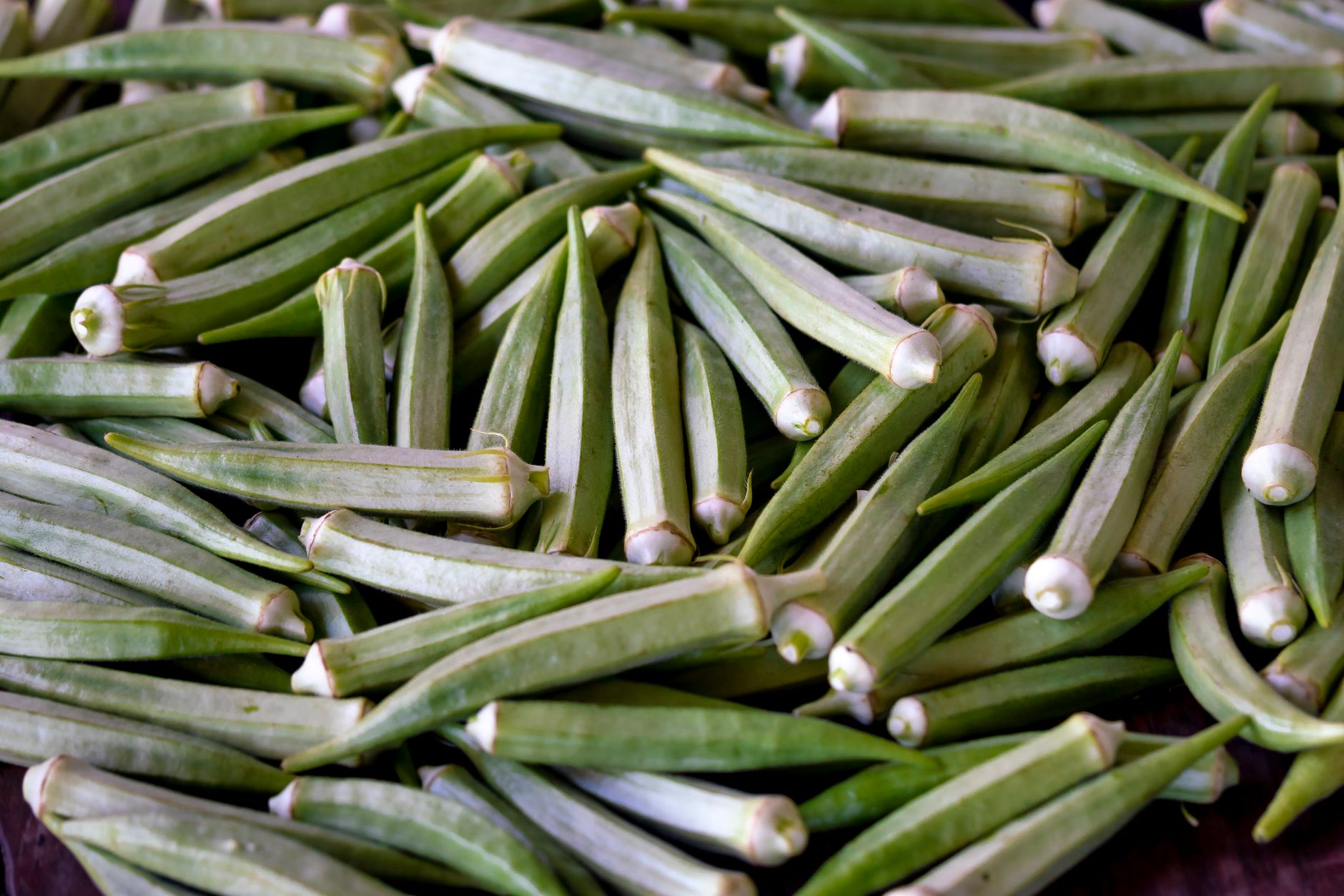
Okra, or “lady’s fingers,” is a vegetable renowned for its unique flavor and texture. Despite its common classification as a vegetable, botanically speaking, okra is considered a fruit. Understanding this distinction can help you appreciate its culinary versatility and navigate its usage in the kitchen.
In this article, we’ll explore what qualifies okra as a fruit, its nutritional profile, culinary applications, and share some practical tips for using this delightful ingredient in your cooking.
Is Okra a Fruit?
Yes, okra is botanically classified as a fruit. Specifically, it is a pod that contains seeds, which is the defining characteristic of fruits. In culinary terms, however, it is often treated as a vegetable due to its savory flavor profile and common usage in dishes.
The Botany Behind Okra
In botanical terms, a fruit is the mature ovary of a flowering plant, usually containing seeds. Okra fits this definition perfectly, as it develops from the flower of the okra plant. The pod-like structure of okra contains tiny seeds that are edible. This can create some confusion, especially when you consider that its flavor and usage align more closely with vegetables.
Nutritional Profile of Okra
Okra is not just a unique culinary ingredient; it also provides several nutritional benefits. Here’s an overview of its key nutrients:
- Calories: Approximately 33 calories per 100 grams
- Fat: 0.2 grams
- Carbohydrates: 7.5 grams
- Fiber: 3.2 grams
- Protein: 2 grams
- Vitamin A: 716 IU
- Vitamin C: 23 milligrams
- Calcium: 81 milligrams
- Iron: 0.6 milligrams
With its low calorie content and high fiber levels, okra is an excellent addition to a balanced diet. It provides an excellent source of vitamin C and good amounts of vitamins A and K as well.
Culinary Uses of Okra
Okra’s unique texture and flavor make it a versatile ingredient in various culinary applications. Here are some common ways to incorporate okra into your cooking:
1. Gumbo
Okra is a key ingredient in gumbo, a traditional dish from Louisiana. It acts as a thickening agent, producing a rich and flavorful stew when combined with spices, meats, and seafood.
2. Frying
Fried okra is a popular snack or side dish in Southern cuisine. It can be sliced, coated in cornmeal, and deep-fried until crispy, providing a delightful crunch and buttery flavor.
3. Stews and Soups
Okra can enhance the texture and nutrition of stews and soups. Adding it to dishes like vegetable soup or chicken stew will introduce a unique flavor profile and adds nutritional value.
4. Roasting
Roasting okra with olive oil and spices can bring out its natural sweetness and create a crispy exterior. This method is particularly effective when cooking whole okra pods.
5. Pickling
Okra can also be pickled, offering a tangy addition to salads or as a garnish. Pickling enhances its crunch and introduces new flavors, making it a delightful snack.
How to Prepare Okra
To make the most of okra, proper preparation is essential. Follow these steps for best results:
- Choose Fresh Okra: Select pods that are bright green and firm, with no blemishes or excessive swelling.
- Wash Gently: Rinse the okra pods under cold running water to remove any dirt or residue. Pat them dry with a towel.
- Trim the Ends: Using a sharp knife, cut off the stem ends of the okra. Some prefer to leave the tops on for aesthetics when cooking whole pods.
- Slice or Leave Whole: Depending on your recipe, you may want to slice okra into rings (about 1/2 inch thick) or leave them whole.
- Cooking Technique: Decide on your cooking method based on the recipe. Avoid excessive stirring when sautéing as this can release too much mucilage, making the dish slimy.
Cooking Techniques for Okra
Different cooking methods can affect the texture and flavor of okra. Here are some commonly used techniques:
1. Sautéing
Sautéing okra in oil can help retain its crunch while reducing sliminess. Use medium-high heat and cook until lightly browned, adding spices and other vegetables as desired.
2. Boiling
Boiling okra quickly in salted water can soften it and enhance its flavor. To avoid sliminess, do not overcook; 3-5 minutes is usually sufficient.
3. Grilling
Grilling okra can impart a smoky flavor while maintaining its integrity. Brush the pods with olive oil and season before placing them on the grill.
4. Steaming
Steaming okra is a healthy cooking method that retains its nutrition. Steam for about 5 minutes until slightly tender, then serve with seasoning or sauces.
Common Mistakes When Cooking Okra
Here are some pitfalls to avoid when preparing okra:
- Overcooking: Okra can become slimy if overcooked; always monitor cooking times to achieve the desired texture.
- Incorrect Slicing: Cutting okra too finely can make it fall apart during cooking. Avoid slicing too thinly if retaining shape is important.
- Neglecting to Dry: Wet okra will steam instead of searing or frying; ensure your pods are dry for the best results.
Storage and Preservation of Okra
Proper storage is crucial to maintain the freshness of okra. Here are some tips:
- Refrigeration: Store fresh okra in a paper bag or wrap it in a damp paper towel and place it in the refrigerator. It will stay fresh for about 2-3 days.
- Freezing: To freeze okra, wash and slice it, blanch it in hot water for a few minutes, cool it quickly in ice water, then package it in airtight containers or freezer bags.
- Packing in Vinegar: Pickling okra is an effective preservation method, providing a shelf-stable condiment that can add flavor to various dishes.
Common Okra Questions
As you navigate the culinary world of okra, you may have some additional questions. Here are a few common inquiries:
What does okra taste like?
Okra has a mild and slightly grassy flavor, often described as nutty. When cooked, it has a tender texture, and its mucilage contributes to a unique, somewhat slippery feel.
Can I eat okra raw?
Yes, raw okra is edible, but it can have a slightly fibrous texture. It can be sliced for salads or snacks, but cooking enhances its flavor and reduces the mucilage.
What are the health benefits of okra?
Okra is low in calories and high in dietary fiber, promoting digestive health. It’s rich in vitamins A and C, beneficial for skin health and immune function. Its antioxidants may also provide overall health protection.
Recipe Ideas Featuring Okra
To inspire your culinary adventures with okra, consider trying these recipes:
1. Pickled Okra
This recipe provides a crunchy and tangy snack that pairs well with cheese platters and sandwiches. Check out the details in our Pickled Okra Recipe.
2. Bhindi Masala
A flavorful Indian dish where okra is cooked with spices and onions, offering a savory complement to rice or flatbreads. Explore how to make this delightful dish in our Bhindi Recipe.
Conclusion
Okra may challenge the boundaries of culinary classification, but its unique flavor and texture allow for diverse and delicious recipes. Embrace its versatility in your cooking endeavors, whether in gumbo, pickles, or fried snacks. Now that you have a deeper understanding of okra, consider experimenting with it in your next meal prep or culinary exploration.
Explore more recipes, cooking tips, and guides to enhance your kitchen skills!