
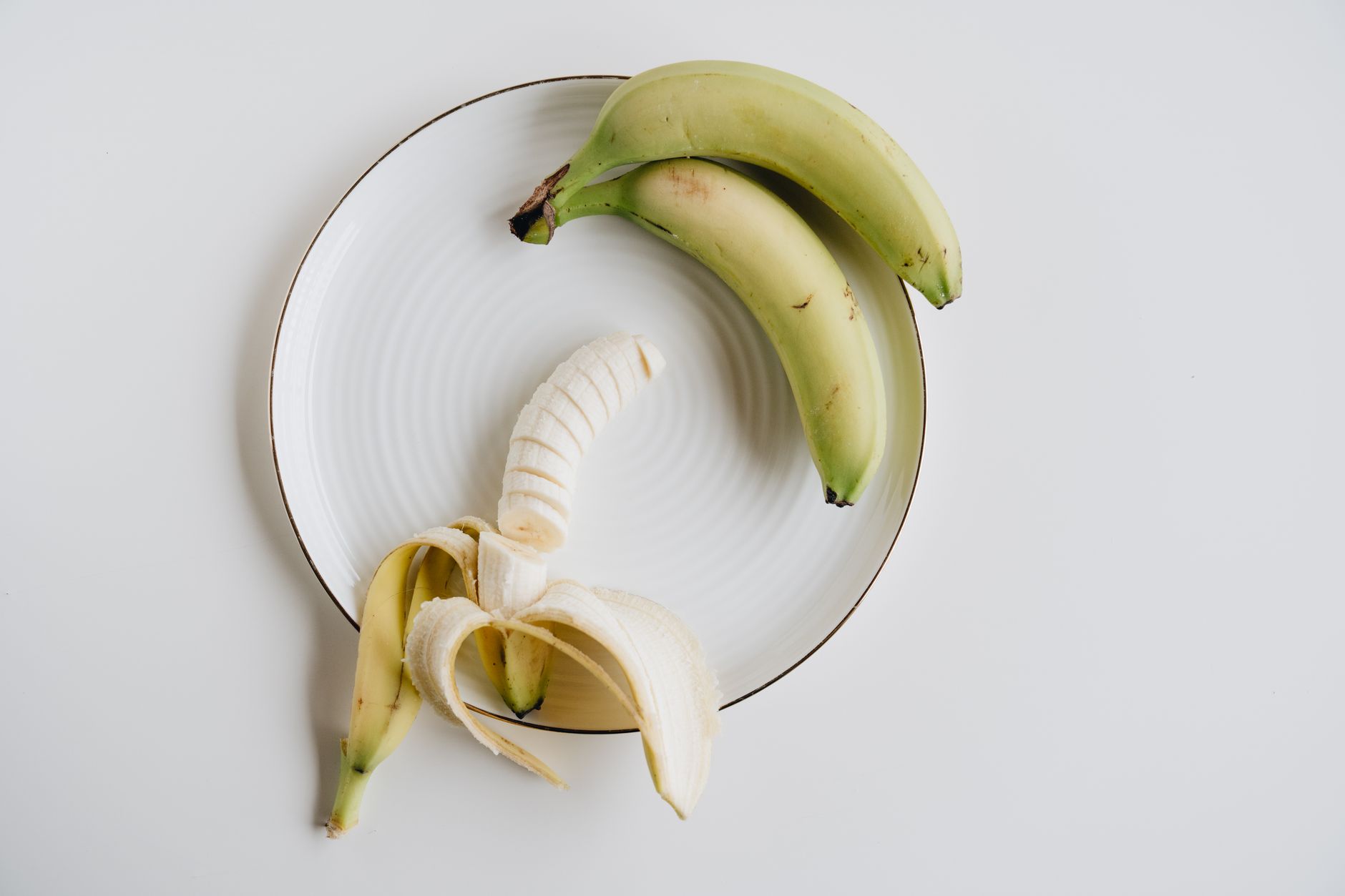
Many people enjoy bananas for breakfast or as a snack, but a common question arises: can you eat bananas on an empty stomach? This article will explore the implications of consuming bananas when your stomach is empty, their nutritional content, and how they affect digestion.
You’ll also learn whether it’s a good idea based on individual dietary needs and preferences. Understanding the complexities of digestion and food combinations will help you make informed choices about your diet.
Can I Eat Banana on Empty Stomach?
Yes, you can eat bananas on an empty stomach. However, some individuals may experience digestive discomfort due to the fruit’s natural sugars and starches. Bananas are rich in essential nutrients that can provide an energy boost, but it’s important to listen to your body and consider how it reacts to different foods.
The Nutritional Profile of Bananas
Bananas are often praised for their nutritional benefits. A medium-sized banana contains approximately:
- 105 calories
- 27 grams of carbohydrates
- 3 grams of protein
- 3 grams of fiber
- 14 grams of sugar
- 422 milligrams of potassium
- 31 milligrams of magnesium
- Vitamin C, Vitamin B6, and various antioxidants
The rich carbohydrate content provides a quick source of energy, making bananas a popular choice before workouts or as a quick snack.
Additionally, the high fiber content tends to promote healthy digestion, which is beneficial regardless of whether your stomach is empty or not.
Effects of Eating Bananas on an Empty Stomach
Potential Benefits
Eating bananas on an empty stomach can be advantageous for several reasons:
- Quick Energy Source: The natural sugars (fructose, glucose, and sucrose) provide a rapid energy boost, making bananas a suitable choice for breakfast or a morning snack.
- Rich in Potassium: Bananas are high in potassium, which is essential for heart health and maintaining proper blood pressure.
- Supports Digestive Health: The fiber in bananas can help regulate digestion and promote regular bowel movements.
Possible Drawbacks
Despite the benefits, there are also potential downsides to eating bananas on an empty stomach:
- High Sugar Content: For some individuals, consuming sugar-rich fruits on an empty stomach may lead to a rapid increase in blood sugar levels, followed by a crash, resulting in fatigue.
- Digestive Discomfort: Some people may experience bloating or discomfort after eating bananas on an empty stomach. This is often due to the fruit’s fiber and sugar content.
Who Should Be Cautious?
While many people can enjoy bananas without issue, a few groups should exercise caution:
- Individuals with Diabetes: If you are managing blood sugar levels, eating bananas on an empty stomach may not be advisable due to their sugar content.
- Those with Gastritis or Stomach Ulcers: Some individuals with digestive disorders may find that bananas exacerbate their symptoms when consumed alone without other foods.
Combining Bananas with Other Foods
To mitigate any potential digestive discomfort, you might consider pairing bananas with other foods that can help balance out their effects. Here are some great combinations:
- Yogurt: Adding bananas to yogurt provides probiotics and protein, which aid digestion and provide a more balanced meal.
- Nut Butter: Spreading almond or peanut butter on bananas adds healthy fats and protein, making it more filling and balanced in terms of nutrition.
- Oats: Combining bananas with oats creates a hearty breakfast packed with fiber and sustained energy.
- Green Smoothies: Blend bananas with leafy greens, chia seeds, and other fruits for a nutrient-dense morning option.
Common Mistakes When Eating Bananas
Here are some common errors people make when incorporating bananas into their diets:
- Rushing to Eat Alone: Consuming bananas as a quick snack might not always be the best approach. Aim to balance them with other foods for a more sustained energy release.
- Overindulgence: Eating too many bananas can lead to excessive calorie intake and potentially digestive issues, especially for sensitive individuals.
Make-Ahead Breakfast Ideas with Bananas
If you enjoy eating bananas but want to avoid some of the potential drawbacks of consuming them on an empty stomach, consider these make-ahead breakfast options:
Banana Oatmeal
A delicious, filling breakfast option that can be prepared ahead of time.
- Ingredients:
- 1 cup rolled oats
- 2 cups milk or water
- 1 ripe banana, mashed
- 1 tablespoon honey or maple syrup
- Cinnamon, to taste
- In a saucepan, combine rolled oats with milk or water.
- Add the mashed banana, sweetener, and cinnamon.
- Bring to a boil, then reduce heat and simmer until thickened (about 5-7 minutes).
- Serve warm, topped with slices of banana or nuts if desired.
Banana Smoothie
A refreshing smoothie that can easily be prepared to take on the go.
- Ingredients:
- 1 ripe banana
- 1 cup almond or dairy milk
- 1 tablespoon nut butter
- 1 tablespoon chia seeds (optional)
- Ice cubes as needed
- In a blender, combine all ingredients.
- Blend until smooth, adding ice for a thicker consistency.
- Pour into a to-go cup for a quick breakfast option.
Storage and Preparation Tips
To ensure you are getting the most out of your bananas, consider the following storage tips:
- Ripening: Store unripe bananas at room temperature. Once ripe, you can refrigerate them to prolong freshness. The skin may darken, but the fruit inside will remain good.
- Freezing: If you have overripe bananas, peel and freeze them for smoothies or baking later. They can be stored in airtight bags in the freezer.
Final Thoughts on Eating Bananas on an Empty Stomach
Eating bananas on an empty stomach is generally acceptable for most people and can offer quick energy along with essential nutrients. However, individual responses can vary, so it’s important to listen to your body. If you experience discomfort or know you have specific health concerns, consider pairing bananas with other foods for a more balanced meal.
Ultimately, bananas can be a valuable addition to a balanced diet, whether consumed alone or as part of a more complex meal. Just keep in mind your body’s unique needs and how different foods affect your digestion.
If you want to learn more about bananas, check out our article on how much fiber is in bananas or discover their origins in where bananas come from.